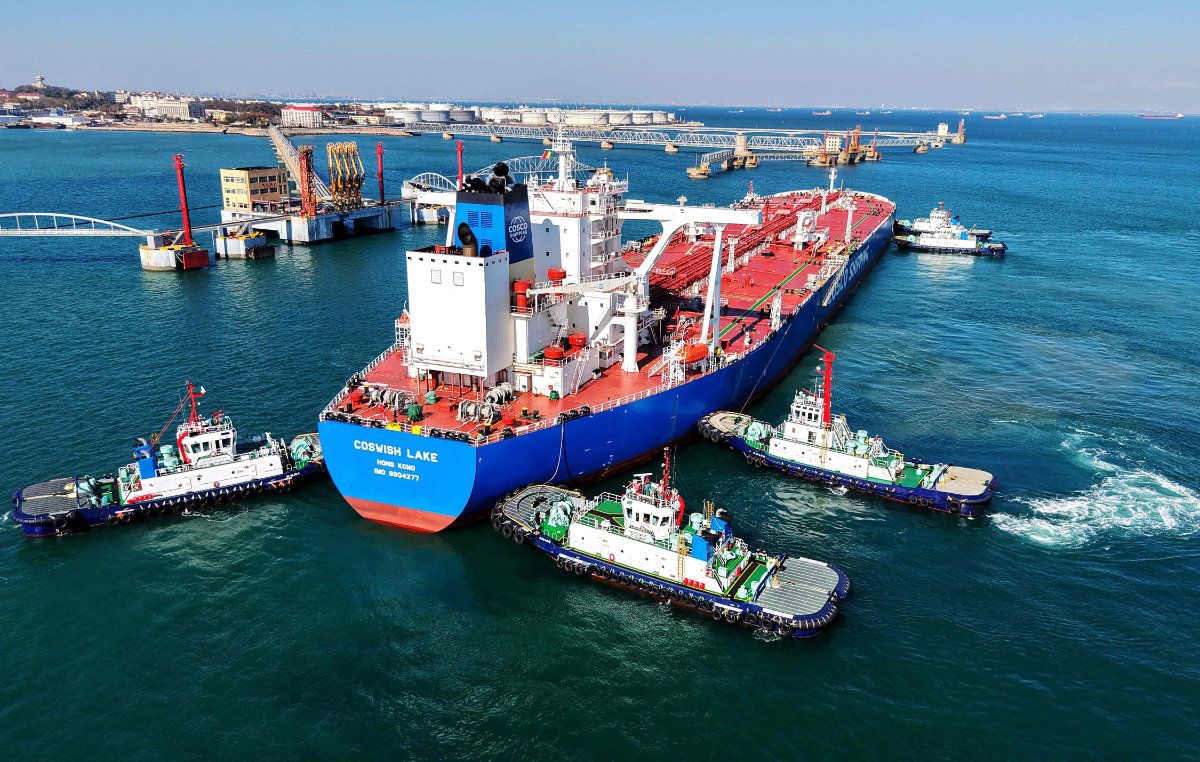
Oil prices edged higher on Friday, though the market remained on track for a weekly decline. Supply disruption worries returned after Houthi attacks targeted the Saudi Arabian capital of Riyadh. Reports of tanker incidents in the Strait of Hormuz also drove the upward movement.
,Brent crude futures rose by 24 cents, a 0.3 percent increase, reaching $92.22 a barrel by 0118 GMT. US West Texas Intermediate futures for December climbed 19 cents, or 0.2 percent, to $83.40 a barrel. The more active January contract for WTI gained 20 cents, also up 0.2 percent, to settle at $82.64.
,Both benchmarks closed with little change on Thursday. Brent headed toward a 3.5 percent decline for the week, while the December WTI contract faced a 6 percent weekly drop. These drops stemmed from rising expectations of a supply surplus because crude shipments through the Strait of Hormuz returned to roughly pre-war levels. Both Brent and WTI headed for a third consecutive weekly fall.
,Concerns over Middle Eastern crude supplies resurfaced due to the attacks on Riyadh by the Houthis, prompting buying activity. Satoru Yoshida, a commodity analyst with Rakuten Securities, said expectations of coordinated production cuts continuing at the upcoming OPEC+ meeting later in the month provided price support.
,The Iran-aligned Houthi movement fired missiles toward civilian targets and commercial centres inside Saudi Arabia. Compounding supply fears, two oil tankers struck naval mines in the Strait of Hormuz, causing them to explode and burn. Iran’s Revolutionary Guards Navy confirmed the incident in a statement carried by state media on Thursday.
,OPEC+ ministers are scheduled to hold a series of meetings on November 29 to determine their 2027 output policy. The alliance brings together the Organization of the Petroleum Exporting Countries and partner nations, including Russia.
,The Middle East conflict caused the largest disruption ever recorded to global oil and gas trade. The International Energy Agency warned on Thursday that the crisis could cut world oil demand by more than 4 percent by 2035 if governments accelerate electrification, efficiency, and fuel-switching measures in response.
,Crude oil output in Russia could decline as Ukrainian attacks on refineries and export infrastructure intensify. Ukrainian drone strikes slashed Russian oil refineries’ combined crude processing volumes by 45 percent since late October.
,Russian President Vladimir Putin stated on Thursday that Moscow would retaliate firmly after Ukraine struck the bridge linking Russia and Crimea for a third time during the week. He also announced that he was abandoning any notion of a moratorium on targeting energy sectors and shipping.