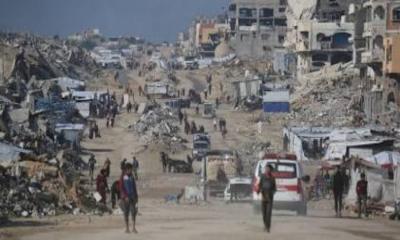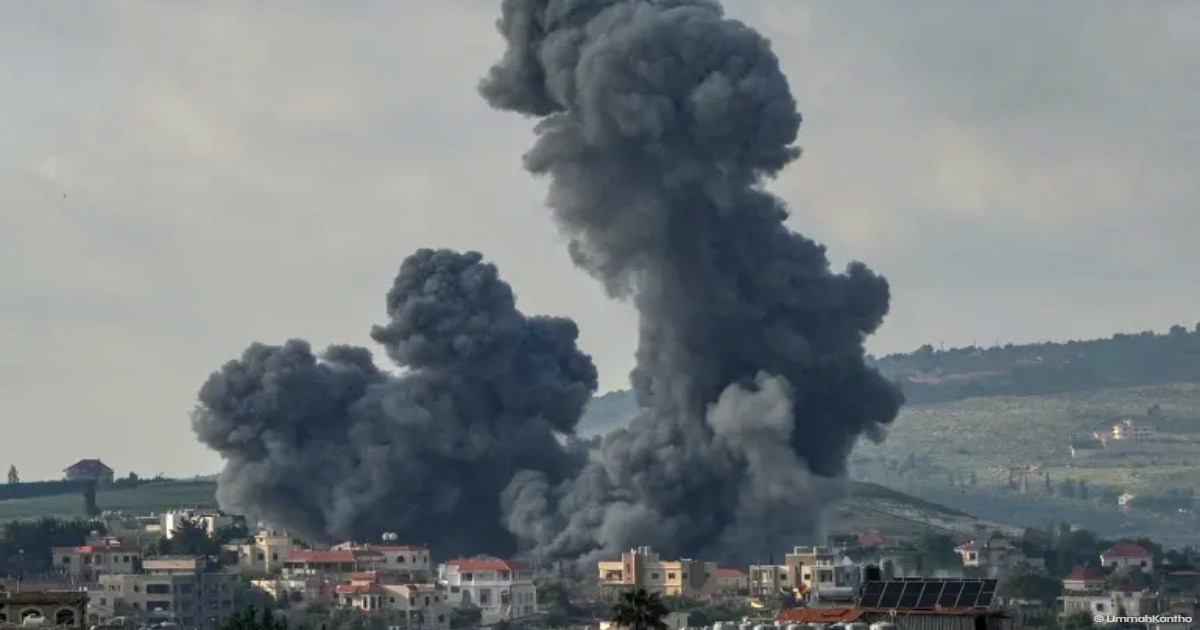
Israeli bombardment across southern Lebanon killed at least 41 people in a 24-hour window, according to Lebanon’s Ministry of Health on Saturday. The fresh wave of strikes represents a significant escalation and a clear violation of the ceasefire framework established two weeks ago. Since the Israeli military launched its offensive on March 2, the total death toll has climbed to 2,659, with an additional 8,183 individuals reported injured in the ongoing conflict.
The National News Agency (NNA) of Lebanon reported specific incidents of loss, including an attack on the town of Shoukine in the Nabatieh district that claimed three lives. Earlier in the day, a strike targeting a vehicle in Kfar Dajjal resulted in two fatalities. Furthermore, a residential home in the village of Lwaizeh was destroyed by a missile, killing three residents. Israeli warplanes also targeted critical areas in Nabatieh, hitting the vicinity of a local bakery near the al-Quds roundabout, and continued strikes in the Tyre district.
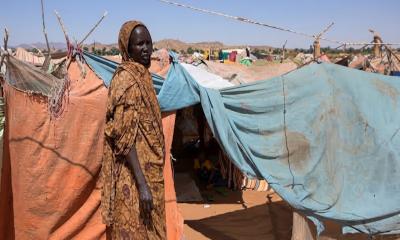
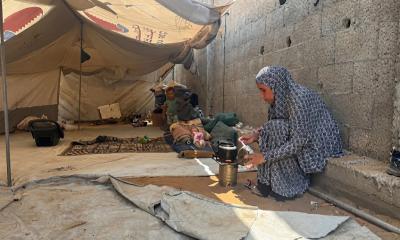
While a 10-day ceasefire was initially declared on April 17 and subsequently extended into mid-May, the reality on the ground reflects a different narrative. Israel maintains that its military operations are directed at neutralizing Hezbollah infrastructure and operatives. However, Lebanese health officials state that the majority of those killed in the recent barrages were civilians. The humanitarian crisis continues to deepen as over one million people remain displaced, seeking refuge in makeshift shelters and schools across the country.
In response to the continued bombardment, Hezbollah issued a defiant statement on Friday, pledging to maintain its operations against Israeli forces stationed within Lebanese territory. The group claimed responsibility for targeting several gatherings of Israeli troops in front-line towns, including Bint Jbeil and Hula, using artillery and suicide drones. Hezbollah has notably begun utilizing small fiber-optic drones to target armored vehicles, reporting direct hits on a Merkava tank and a military Humvee. The Israeli military has confirmed that three of its soldiers were killed in recent clashes.
The international community has expressed mounting frustration over the failure of diplomatic efforts to stop the violence. Fu Cong, China’s envoy to the United Nations, remarked in New York that the current situation is not a genuine ceasefire but rather a "lesser fire" that fails to protect lives. As China assumes the presidency of the UN Security Council for May, it has called on Israel to halt its bombardment immediately. Despite these international calls for restraint, Israeli Prime Minister Benjamin Netanyahu faces domestic political pressure to broaden the conflict, with many in his cabinet and the public opposing any cessation of military activity.
The expansion of hostilities into civilian-populated areas suggests that the conflict may enter a more volatile phase. As diplomatic channels remain strained, the humanitarian toll in Lebanon continues to rise, leaving the civilian population caught between military objectives and a fragile, ineffective peace process.