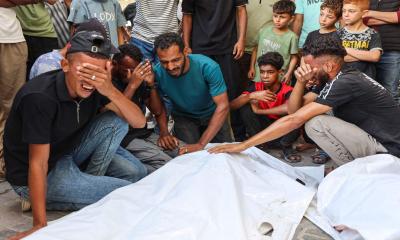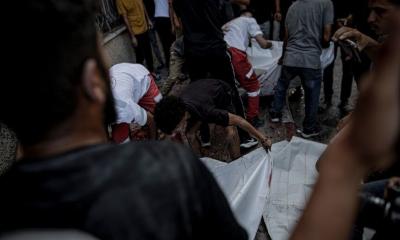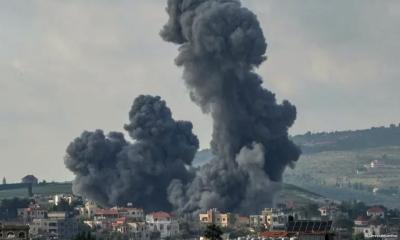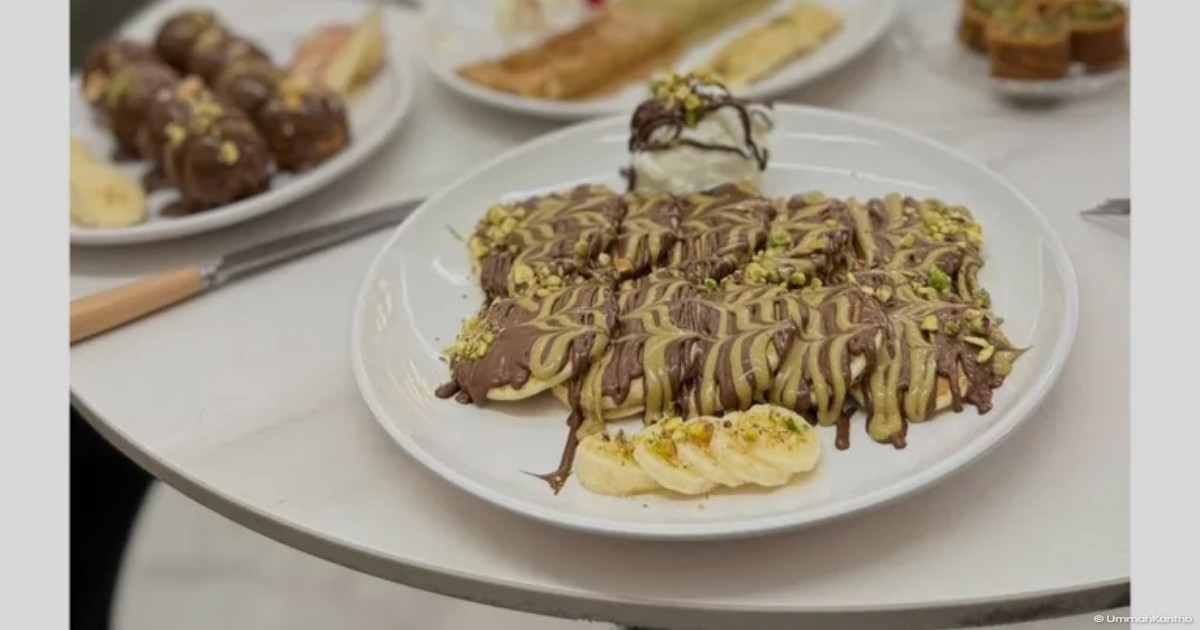
The landscape of Gaza City today is a haunting maze of pulverized concrete and twisted metal. Years of relentless conflict and the most recent military offensive have left entire neighborhoods unrecognizable. Yet, amidst the vast expanse of grey ruins, a surreal sight has begun to emerge: glitzy new cafes and restaurants. Social media platforms are increasingly being flooded with images of these establishments, featuring sleek glass facades, designer sofas, and vibrant neon lighting. For many outside observers, particularly those monitoring pro-Israeli social media accounts, these images are being weaponized as proof that life in Gaza is returning to normal and that claims of genocide or mass suffering are exaggerated. However, for those living on the ground, these cafes represent a far more sinister and deeply unjust reality.
These new luxury establishments are not a sign of recovery but rather a testament to a "genocidal abnormality." These are not makeshift stalls built from salvaged wood; they are constructed with expensive, imported materials that remain nearly impossible for the average citizen to acquire. According to investigative reports and personal accounts from writers like Eman Abu Zayed, the emergence of this wealth is directly linked to war profiteering. As the vast majority of Gaza’s population remains trapped in tents without electricity or potable water, a small, new privileged class has risen. This class has largely amassed its fortune through illicit activities such as smuggling, looting, and the hoarding of essential goods during periods of acute shortage. The presence of these cafes highlights a grotesque social divide where the misery of the many has become the profit of the few.
For the average Palestinian in Gaza, these cafes are as unreachable as if they were on another planet. Before the war, Gaza had a vibrant middle class that could enjoy a casual meal out. Today, that middle class has been decimated, with over 90 percent of the population plunged into abject poverty. The inflation rate is astronomical, making a simple meal three to four times more expensive than its pre-war price. Abu Zayed describes paying nearly $20 for a basic wrap and soda—a fortune in a territory where livelihoods have been systematically destroyed and most people survive on meager aid rations. The guilt and psychological weight of spending such an amount on a "glimpse of normalcy" is a common sentiment among the few who can still afford it.
The strategic use of these images by pro-Israeli influencers serves a specific propaganda purpose. By focusing on a few hundred square feet of luxury, the narrative conveniently ignores the hundreds of thousands of destroyed homes, the crippled healthcare system, and the non-existent educational infrastructure. It is a form of digital gaslighting that seeks to undermine the documented reality of the humanitarian catastrophe. These cafes are isolated islands of generator-powered light in a sea of darkness. They exist in a vacuum, detached from the community`s collective trauma. While the lights may shine inside, the view from the window remains a bombed-out landscape, a constant reminder that the war is far from over.
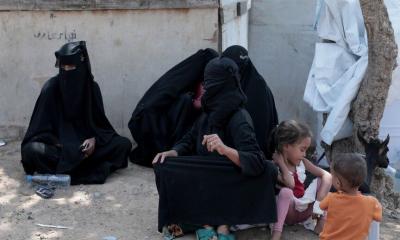
The social order emerging from this conflict is deeply fractured. The traditional structures of Gazan society, built on communal resilience and shared struggle, are being strained by this new class of war profiteers. While the majority of families live in tents pitched next to the rubble of their former lives, the display of luxury in these new establishments feels like an insult to their sacrifice. The genocide has not only killed and maimed but has also stripped away the prospect of a normal, dignified life for the next generation. The contrast between the shiny cafes and the nearby ruins is not just a visual anomaly; it is a physical manifestation of a broken justice system and a state of total lawlessness.
Even for those who enter these cafes seeking a brief escape from the horrors of their daily lives, the relief is temporary and often marred by grief. Sitting in a restaurant that survived or was rebuilt, people are often haunted by the memories of friends and family who are no longer there—those who were "martyred" or those who managed to flee to other countries. The familiar smells and sights of a pre-war environment only serve to sharpen the sense of loss. The psychological trauma of the population cannot be cured by a luxury meal when the fundamental requirements for life—safety, food security, and a home—are still missing. The glowing cafes are merely a distraction from the deep-seated wounds that the territory continues to suffer.
In conclusion, the presence of fancy cafes in Gaza should not be mistaken for a sign of societal health. Instead, they should be viewed as a symptom of a deeply wounded economy where the rules of survival have shifted toward the opportunistic. To understand the true state of Gaza, one must look past the neon lights and into the dark tents where millions are struggling to survive another day. The international community must look beyond the curated propaganda and address the systemic causes of the suffering. Until there is a permanent cessation of hostilities and a genuine effort to rebuild the lives of all citizens, the luxury in Gaza will remain nothing more than a cruel irony. The dark side of these establishments is a reminder that even in the midst of ruins, inequality can thrive, but it can never replace the dignity of a truly normal life.