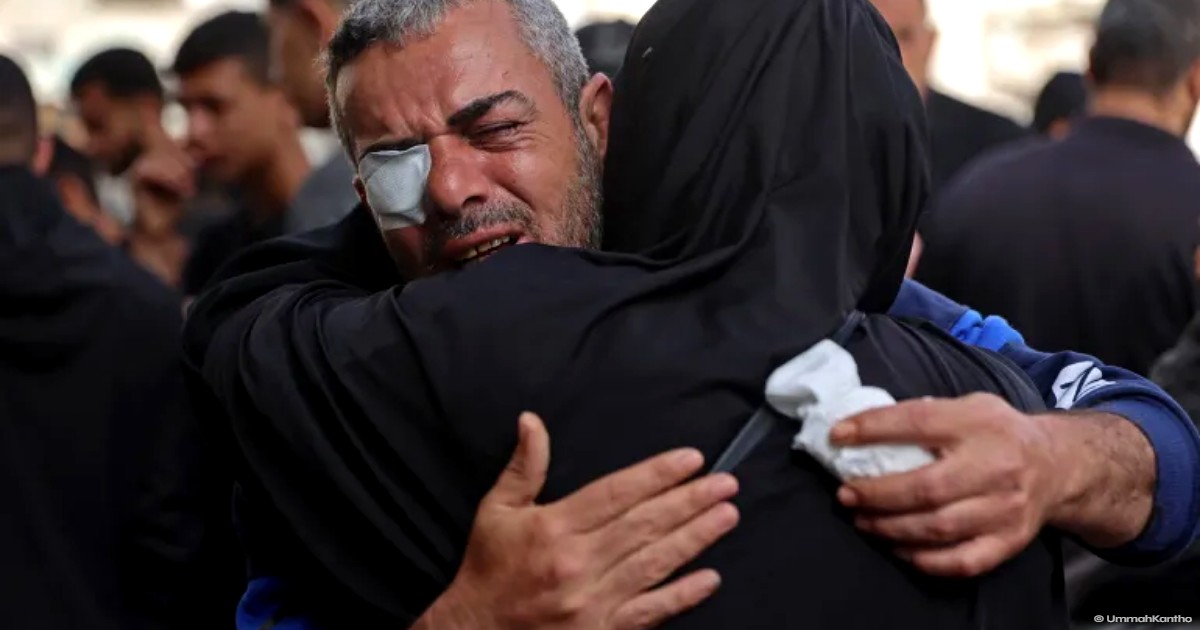
Despite a "ceasefire" established last October, Israeli military operations in the Gaza Strip continue to claim lives. On Sunday, April 26, 2026, medical officials reported that at least four Palestinians were killed in separate attacks across the enclave.
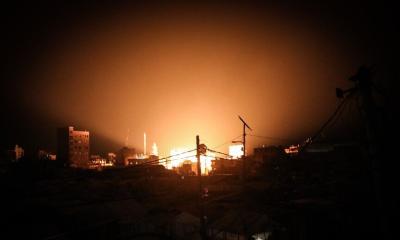
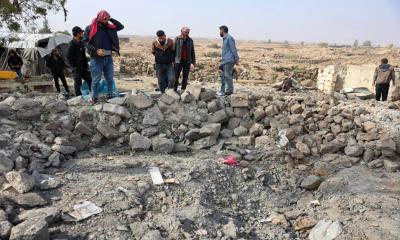
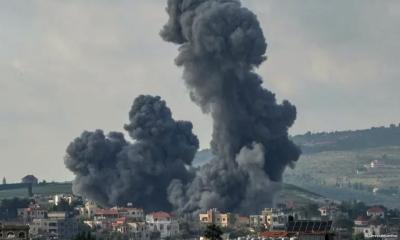
The casualties underscore the fragility of the truce and the persistent violence facing civilians. According to medics, one individual was killed in an airstrike near the central village of al-Mughraq, while two others lost their lives due to gunfire and shelling in the vicinity of Gaza City. In the south, health officials in Khan Younis confirmed the death of a 40-year-old woman who was shot by Israeli forces.
The Israeli military claimed its forces had killed several Hamas fighters since Friday, though these assertions were made without providing corroborating evidence. Reports from the ground, however, tell a different story of civilian vulnerability.
Al Jazeera correspondent Hind Khoudary, reporting from Gaza City, noted that three Palestinians were targeted by a quadcopter drone near the al-Kuwait roundabout. This area is close to the Netzarim Corridor, a strategic military zone created by Israel to bisect the Gaza Strip into northern and southern sectors.
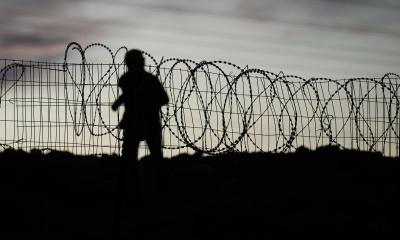
A significant concern for residents and observers is the steady expansion of the "Yellow Line," a set of markers used by the Israeli army to delineate zones of military control. Currently, approximately 60 percent of the Gaza Strip, mostly in the east, is under direct Israeli military authority. This expansion has forced the majority of the displaced population into increasingly crowded areas in the west.
Crossing these markers is often a death sentence, as anyone entering the designated military zones is reportedly shot on sight. This restricted movement has not only created a climate of fear but has also severely hampered the distribution of essential supplies.
The humanitarian situation remains catastrophic due to the ongoing blockade. While the initial ceasefire agreement promised the entry of 600 aid trucks per day, current figures show that only between 150 and 190 trucks are reaching the population.
This massive shortfall has led to acute shortages of food and life-saving medications. Patients suffering from chronic illnesses, such as diabetes and cancer, find it nearly impossible to secure treatment. Local residents state that basic food supplies are dwindling, pushing the enclave toward a full-scale famine.
Since the ceasefire officially took effect, the Palestinian Ministry of Health reports that at least 800 Palestinians have been killed by Israeli actions. In contrast, Israel reports that four of its soldiers have been killed by Palestinian fighters during the same period.
The disparity in casualties and the continuous expansion of military boundaries suggest that the ceasefire has failed to provide the security it promised to the people of Gaza. Instead, the enclave remains a scene of daily air raids, drone surveillance, and a tightening siege.