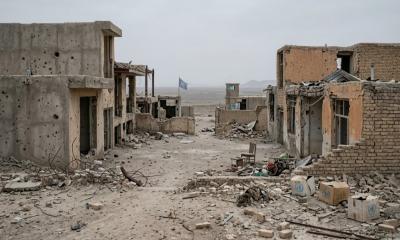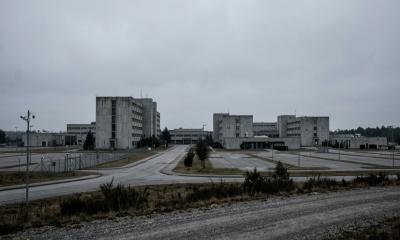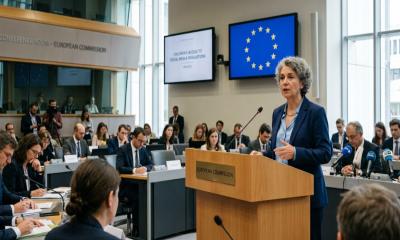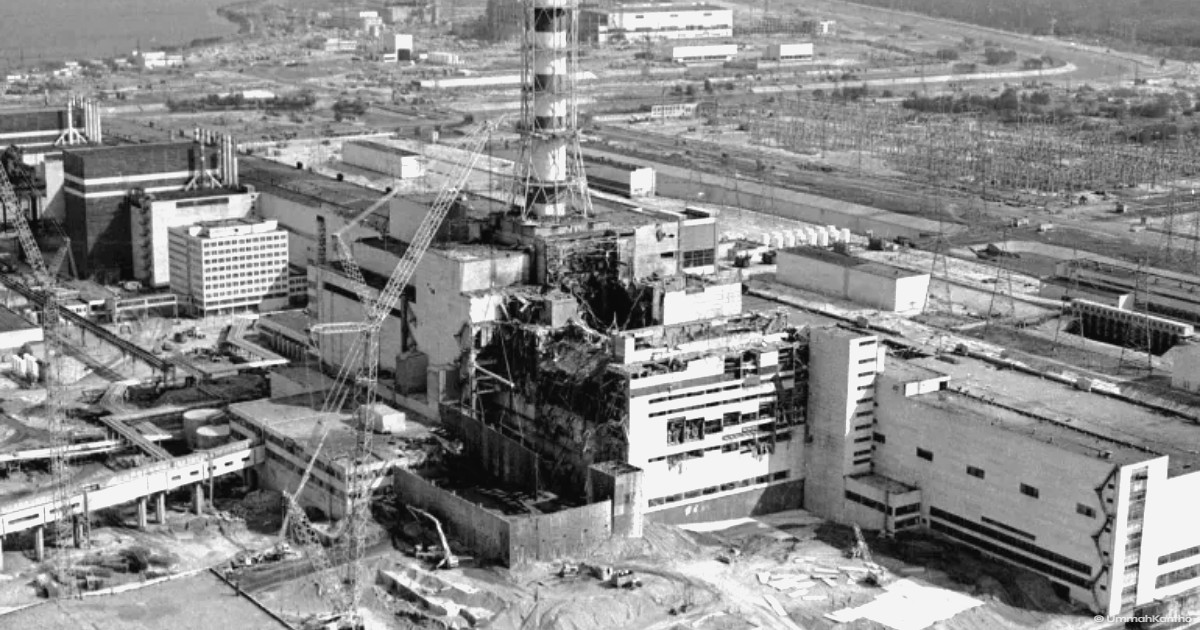
Forty years ago, the explosion of a reactor at the Chornobyl Nuclear Power Plant in the Soviet Republic of Ukraine forever changed the world`s perception of nuclear energy. The disaster released massive clouds of radioactive particles that drifted across Ukraine, Belarus, and Russia before spreading across Europe.
While at least 30 people died in the immediate aftermath, tens of thousands have since succumbed to lethal diseases like cancer triggered by radioactive exposure. In the affected areas, birth defects increased by as much as 250 percent. Today, as we mark the 40th anniversary of this catastrophe, the legacy of contaminated land and broken lives serves as a stark warning against the inherent risks of centralized energy systems.
The lessons of Chornobyl are particularly relevant in the current global climate of geopolitical tension. Nuclear sites in Ukraine and Iran are currently under direct threat due to ongoing military activities.
In Ukraine, the illegal occupation of the Zaporizhzhia Nuclear Power Plant and recent drone strikes near the Chornobyl site itself have raised international alarms. Similarly, in Iran, military strikes have reportedly landed within 75 meters of the Bushehr Nuclear Power Plant. These incidents highlight a critical vulnerability where large-scale nuclear infrastructure becomes a high-stakes target during armed conflict, posing a threat that transcends national borders.
The fragility of centralized systems is not limited to nuclear energy. The global dependence on fossil fuels has also exposed many nations to extreme economic volatility. Conflict in regions like the Middle East often leads to disruptions in strategic chokepoints such as the Strait of Hormuz, sending oil and gas prices soaring.
This, in turn, drives up the cost of living for millions of households who have no direct connection to the conflict. When energy production is concentrated in a few massive facilities or dependent on specific transit routes, it becomes a weapon of war and an instrument of political leverage.
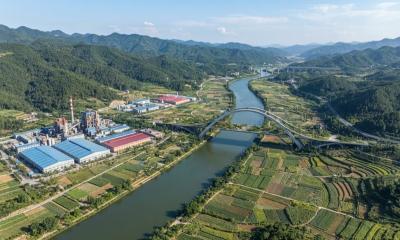
In contrast, decentralized renewable energy systems combined with storage capacity offer a path toward greater resilience and independence. Unlike nuclear plants, decentralized solar and wind installations are difficult to disable entirely because they are spread across many locations.
During the recent invasion of Ukraine, local solar and battery systems played a crucial role in keeping hospitals and schools operational even when the national grid was under sustained attack. These systems are faster to deploy and significantly harder for an adversary to weaponize or blockade.
Perhaps the most compelling argument for renewables is that their failure or destruction does not result in an environmental apocalypse. There are no radioactive clouds or long-lasting lethal contaminants if a solar farm is targeted.
Furthermore, renewable energy does not rely on fuel that must pass through contested shipping lanes; the sun and wind are not controlled by any single state or corporation. As the world reflects on forty years of the radioactive shadow cast by Chornobyl, the choice becomes clear. Investing in decentralized energy is not just a technological upgrade but a vital step toward ensuring that such a disaster never happens again.