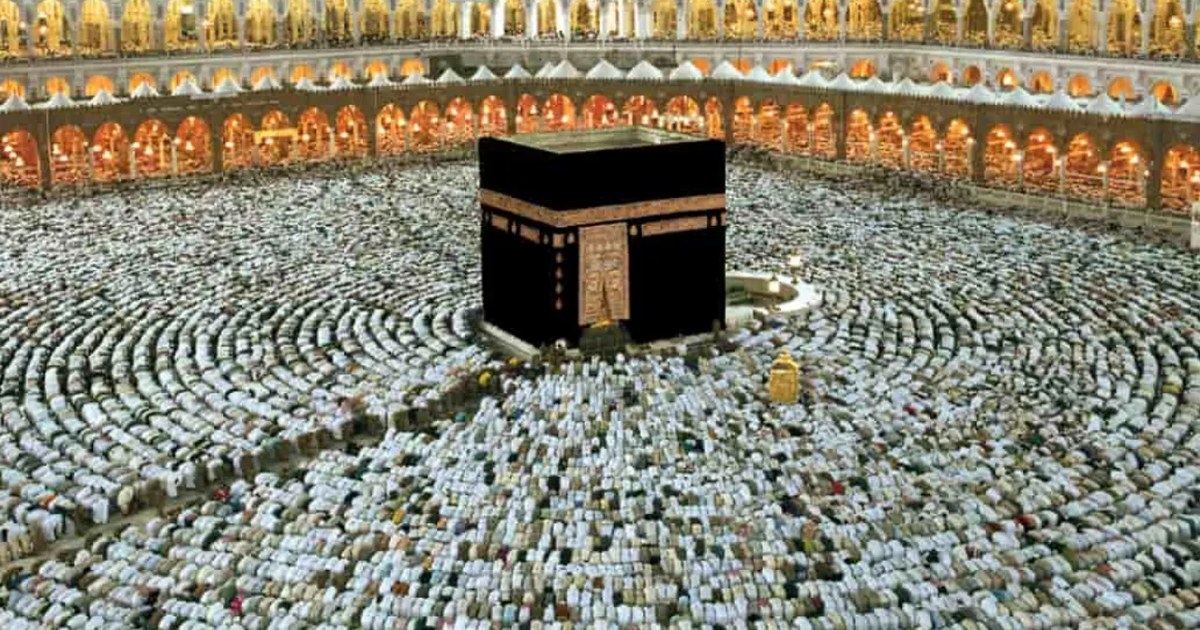
Embarking on the journey to the House of Allah, the Baytullah, is not merely a physical trip; it is a profound journey of the soul, a return from sin, and a supreme opportunity to attain closeness to the Creator. In Islam, Hajj is a fundamental pillar, mandatory once in a lifetime for those who possess the means. As stated in the Holy Quran: "And Hajj to the House is a duty that mankind owes to Allah, those who can afford the journey" (Surah Al-Imran: 97). However, the acceptance of this great act of worship is contingent upon maintaining its sanctity. While many focus on the external rituals, the internal spiritual merit of Hajj is often threatened by certain subtle actions and behaviors that can diminish its profound rewards.
The primary condition for a `Hajj Mabrur` (an accepted Hajj) is to refrain from all forms of sin and vanity during the journey. In Surah Al-Baqarah (2:197), Allah clearly commands that those who undertake the pilgrimage must abstain from obscenity, wickedness, and quarreling. Based on this divine directive, scholars have identified several actions that undermine the glory of Hajj. One of the most prominent is failing to avoid obscenity. While most pilgrims avoid overt sins, the excessive use of smartphones and digital devices in modern times can lead to subtle transgressions, such as viewing prohibited content or using inappropriate language during calls with family and friends, which tarnishes the purity of the state of Ihram.
Protecting one`s gaze is perhaps the most significant challenge for pilgrims today. From the moment one arrives at the airport until the completion of the rites in Saudi Arabia, a believer is constantly tested. Casting prohibited glances or failing to lower the gaze is a major sin that strips away the spiritual essence of the pilgrimage. A true believer must seek refuge in Allah during these moments and engage in constant `Istighfar` (seeking forgiveness). Furthermore, many find it difficult to break the habit of backbiting or `Ghibah` during the Hajj season. Complaining excessively about travel agencies, food, or fellow pilgrims often crosses into backbiting, which is described in Prophetic traditions as being worse than grave immoralities.
Arrogance is another silent killer of the rewards of Hajj. The journey often involves physical hardships, crowds, and logistical delays, which can test a person`s patience. Using one`s social status, wealth, or power to look down upon others or to demand special treatment directly contradicts the spirit of equality symbolized by the simple white cloth of Ihram. Allah does not love the arrogant (Surah An-Nahl: 23). Similarly, "Riya" or showing off for the sake of public appraisal—often manifested today through excessive photography and "Hajj selfies"—can turn a private act of devotion into a public spectacle, thereby distracting the pilgrim and others from the core purpose of worship.
Lastly, pilgrims must avoid wasting time on trivial activities and stay away from unnecessary disputes. The Hajj journey is the most precious time in a believer`s life; every second should be spent in Dhikr (remembrance of Allah) or reflection. Engaging in heated arguments over trivial matters or, in some unfortunate cases, resorting to begging despite having the means, are actions that severely degrade the honor of the pilgrimage. Success in Hajj depends on `Taqwa` (God-consciousness). The more a pilgrim guards their heart against these minor and major pitfalls, the more likely their Hajj will be accepted by the Almighty as a transformative and life-changing experience.