
Friday, 24 Apr, 2026
Published: April 24, 2026, 11:07 AM
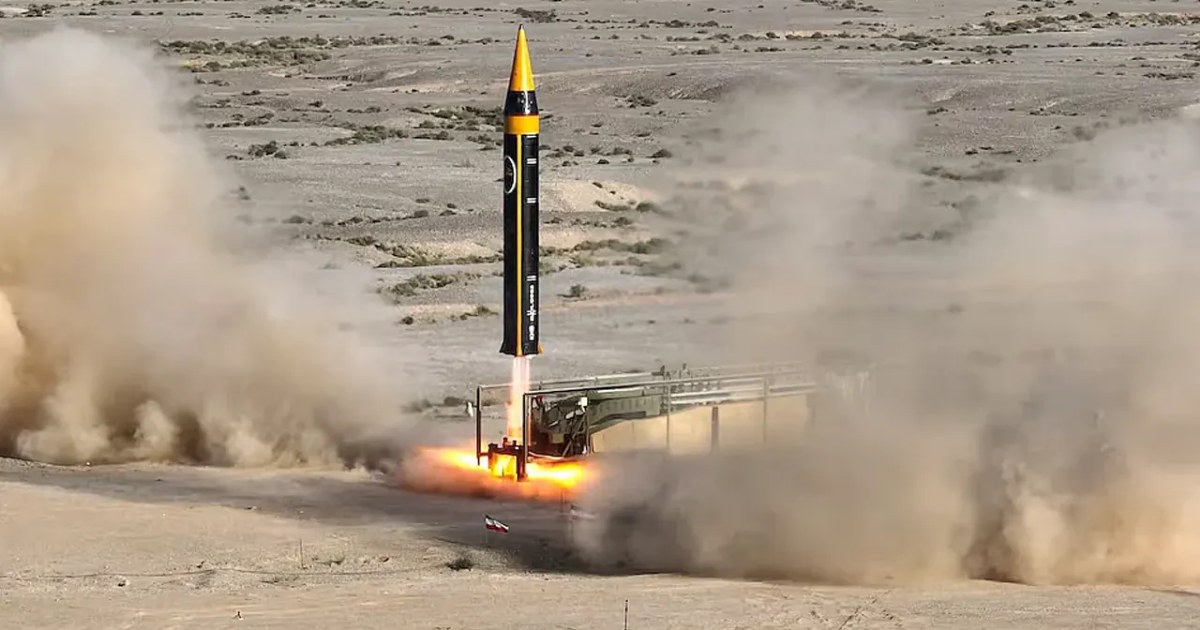
The geopolitical landscape of the Middle East remains on edge as Tehran issues a series of stern warnings against potential military action from Israel. Recent statements from high-ranking Iranian officials indicate a state of high alert and a readiness to retaliate with what they describe as a severe and unified response. Mohammad Bagher Ghalibaf, the Speaker of the Iranian Parliament, recently addressed the nation, asserting that Iran stands undivided in the face of external threats. According to reports from Reuters, Ghalibaf emphasized that internal political differences have been set aside, and the country is prepared to defend its sovereignty under the guidance of its top leadership.
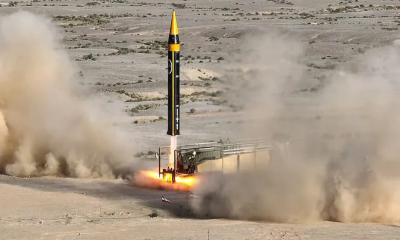
The rhetoric from Tehran comes at a time when Israeli military planners are reportedly finalizing targets within Iranian territory. Israel’s Defense Minister, Israel Katz, has signaled that the military is prepared to strike, mentioning that they are monitoring the situation closely and awaiting a diplomatic or strategic green light from Washington. Based on coverage from Al Jazeera, the potential targets identified by Israeli officials include energy infrastructure and leadership command centers. This shift in posture follows months of heightening friction and proxy engagements that have now evolved into a direct threat of state-on-state conflict.
The United States has responded to the escalating situation by significantly increasing its military footprint in the region. The Pentagon confirmed that there are currently at least 19 American warships, including two aircraft carrier strike groups, positioned in and around Middle Eastern waters. These naval assets serve as a deterrent intended to protect regional allies and discourage Iran from launching a preemptive or retaliatory large-scale attack. BBC News reported that US officials are maintaining high-level communication with Israeli counterparts to manage the scope of any potential escalation, though the risk of a miscalculation remains high.
On the diplomatic front, the message from Iran is nuanced but firm. Foreign Ministry spokesperson Esmaeil Baghaei noted that while Tehran is preparing for a second round of indirect talks with the United States, no final decision has been made. Baghaei stated that Iran is keeping its options open, maintaining a readiness for both diplomacy and defense. However, he warned that any direct strike on Iranian soil would render current diplomatic efforts moot. The Iranian leadership appears to be using a dual-track strategy—offering a window for dialogue while simultaneously signaling a readiness for a full-scale military confrontation.
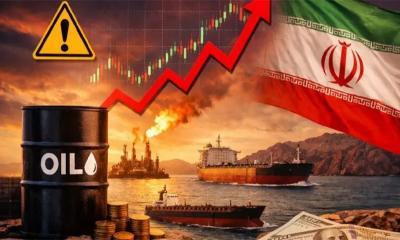
The implications of a direct conflict between Israel and Iran are profound for global stability. A disruption in Iran’s energy sector could lead to unprecedented volatility in international oil markets, affecting economies far beyond the Middle East. Furthermore, the involvement of the United States as a primary security guarantor for Israel raises the possibility of drawing other global powers into the fray. As the international community watches closely, the coming days will be critical in determining whether regional powers can find a path toward de-escalation or if the Middle East is on the brink of an era-defining conflict.
















Design & Developed by 