
Friday, 24 Apr, 2026
Published: April 24, 2026, 11:21 AM
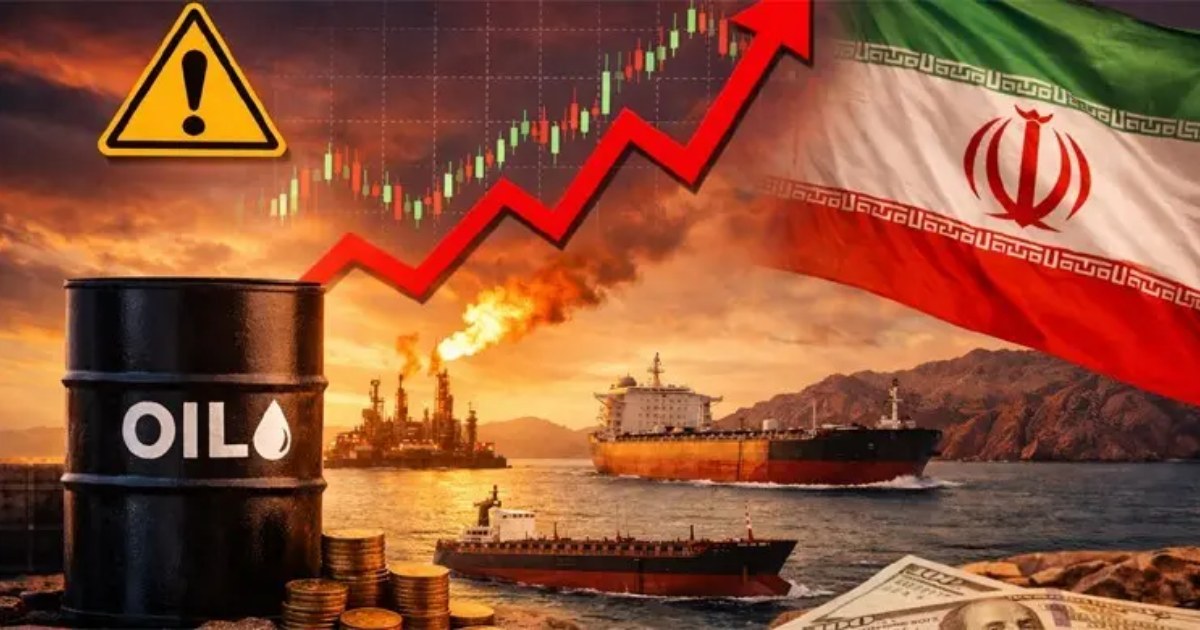
The global energy market faced renewed volatility on Friday as the closure of the Strait of Hormuz sparked widespread fears of a prolonged supply disruption. Traders and analysts are closely monitoring the situation in the Middle East, where geopolitical friction has translated into a sharp uptick in crude prices. During early trading sessions, the international benchmark Brent crude rose by 0.63 percent, reaching a staggering $105.73 per barrel. Similarly, West Texas Intermediate (WTI) futures saw an increase of 0.32 percent, settling at $96.17 per barrel. The upward movement reflects a market that is increasingly sensitive to maritime security in one of the world`s most vital transit points.
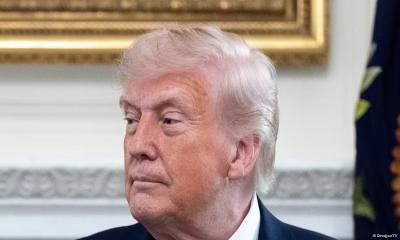
Despite the mounting economic pressure, a glimmer of diplomatic hope emerged from Washington. President Donald Trump announced that Israel and Lebanon have agreed to extend their current ceasefire following a high-level meeting at the White House. President Trump characterized the talks as positive, emphasizing that the extension provides a necessary window for diplomatic solutions to take root. However, this progress on land has not yet eased the maritime deadlock between regional powers. Observers note that while a direct kinetic conflict between the United States and Iran is currently being avoided, both nations have engaged in a strategic maritime blockade to exert economic leverage over each other.
The severity of the current situation was echoed by Fatih Birol, the head of the International Energy Agency (IEA). Birol warned that the world is now confronting what could be the largest energy security crisis in modern history. According to IEA data, approximately 13 million barrels of oil are being kept off the market daily due to the blockade. This massive shortfall is creating significant logistical hurdles and driving up the cost of essential goods globally. Birol stressed that the current crisis is not just about price hikes but about the fundamental availability of energy resources needed to sustain global industrial output.
Economic analysts are warning of the potential long-term consequences if the blockade persists. A sustained period of high energy prices could trigger a significant rise in the value of the US dollar, making imports more expensive for emerging economies and fueling global inflation. Experts suggest that nations must accelerate their transition to alternative energy sources to mitigate the risks of such geographic bottlenecks. For now, the global economy remains tethered to the developments in the Strait of Hormuz, where the intersection of high-stakes diplomacy and economic warfare continues to dictate the financial future of millions. The coming weeks will be crucial in determining whether diplomatic channels can reopen the vital waterway or if the world must prepare for a new era of energy scarcity.














Design & Developed by 