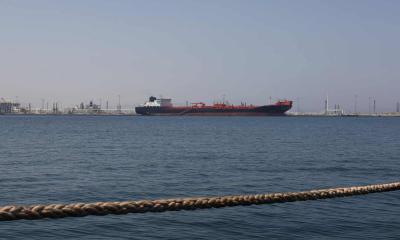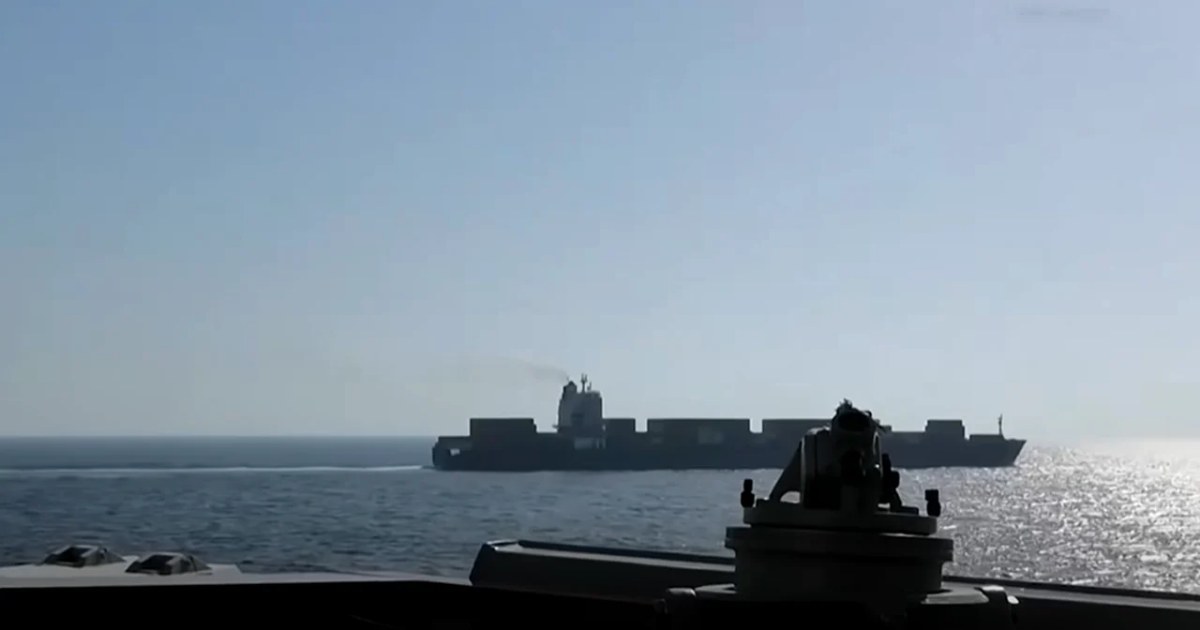
New maritime tensions have erupted in the Strait of Hormuz, one of the world`s most critical energy transit corridors. Following the US Navy`s seizure of an Iranian vessel earlier this week, Iran has responded by targeting three commercial ships and successfully detaining two of them. According to BBC and Reuters, the escalation began last Sunday when US President Donald Trump confirmed that American forces had seized the Iranian-flagged ship named `Touska` for defying a naval blockade. Tehran quickly condemned the operation, labeling it an act of "armed piracy" and a direct violation of ongoing ceasefire efforts.
In response to the American maneuver, the Islamic Revolutionary Guard Corps (IRGC) Navy announced on Wednesday that it was intensifying its surveillance of the waterway. In a statement reported by the Washington Post, the IRGC claimed to have seized the `MSC Francesca` and the `Epaminondas` for operating without necessary permits and tampering with their navigation systems to avoid detection. Iranian officials maintained that these vessels were attempting to transit the strait secretly, a move they described as a threat to regional maritime security. The seized ships have reportedly been moved to the Iranian coastline near Bandar Abbas.
This rapid chain of events has cast a shadow over recent diplomatic initiatives aimed at ending hostilities in the region. Since the US implementation of a naval blockade on April 13, maritime traffic in the Persian Gulf has faced significant disruptions. While the IRGC alleges that the detained ships violated international shipping protocols, these claims have not been independently verified. However, the UK Maritime Trade Operations (UKMTO) has confirmed reports of gunfire and bridge damage on at least one vessel. As the standoff continues, the global community remains concerned over the potential for a full-scale armed conflict that could jeopardize international trade routes.