
Friday, 24 Apr, 2026
Published: April 24, 2026, 11:54 AM
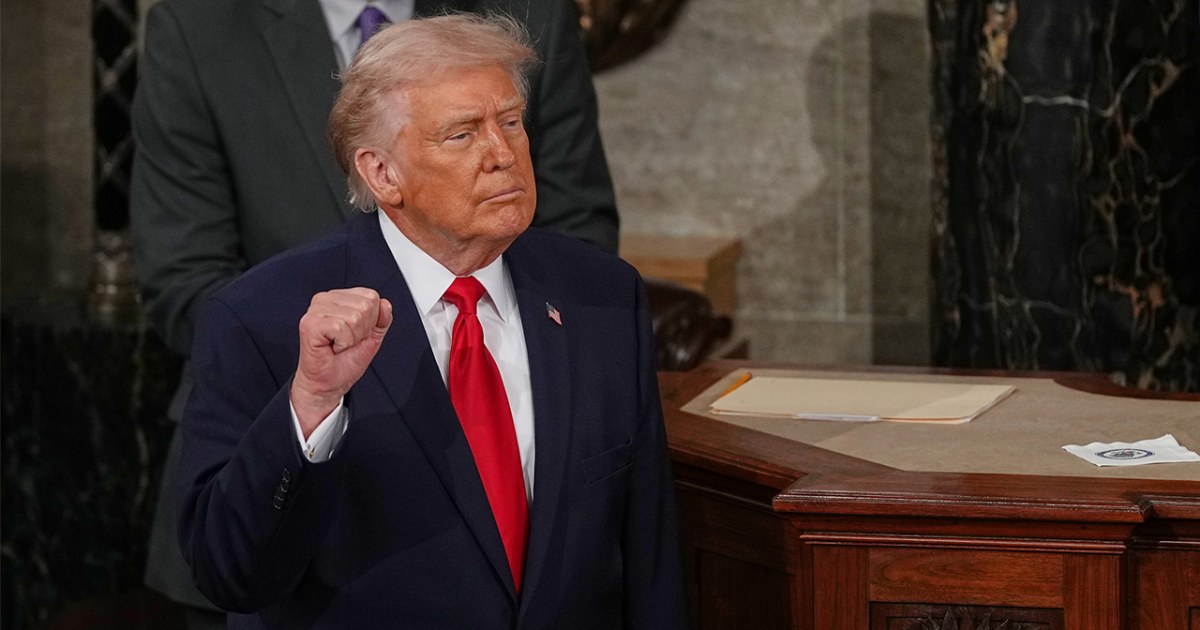
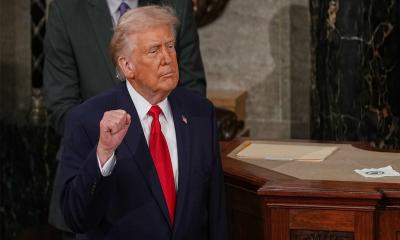
President Donald Trump has explicitly ruled out the use of nuclear weapons against Iran, characterizing the suggestion as unnecessary given the United States` conventional military capabilities. Speaking to reporters at the White House on Friday, Trump was asked directly whether he would consider a nuclear strike to resolve the ongoing tensions with Tehran. The President dismissed the inquiry, labeling it a stupid question and questioning the logic of using such devastating force when conventional means are already achieving strategic objectives. According to a report by Reuters, Trump asserted that the American arsenal is more than capable of handling the situation without resorting to nuclear armament.
The President emphasized that nuclear weapons should not be used by anyone under any circumstances, reflecting a stance that prioritizes traditional military engagement over atomic escalation. Trump claimed that the United States has already effectively countered Iranian aggression using standard military assets and that these methods have been quite effective. He noted that there is no internal or external pressure on him to rush into an escalation, as his current strategy is focused on securing the best possible deal with the Iranian leadership. The goal, according to Trump, is a comprehensive agreement that addresses regional security and American interests.
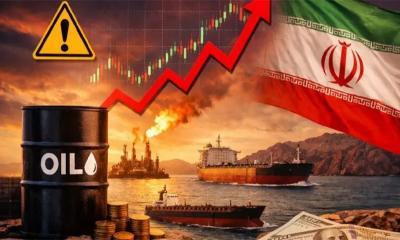
A significant portion of Trump`s remarks focused on the strategic importance of the Strait of Hormuz. The President claimed that the United States currently maintains full control over this vital maritime corridor, which is essential for global oil shipments. He stated firmly that the waterway would remain restricted until Iran reaches a formal agreement. Trump explained that he is unwilling to allow Iran to generate hundreds of millions of dollars in daily oil revenue while the two nations remain in a state of conflict. He specifically mentioned that he does not want Tehran to earn upwards of 500 million dollars a day as long as the current issues remain unresolved.
The economic leverage provided by the control of the Strait of Hormuz appears to be a cornerstone of Trump`s current foreign policy toward Iran. By cutting off a primary source of revenue, the administration hopes to force the Iranian government to the negotiating table on American terms. However, Trump also issued a stern warning that military force remains a viable alternative if diplomacy fails. He noted that if a deal is not reached, he is prepared to end the conflict through military means, albeit without the use of nuclear weapons. This dual-track approach of economic strangulation and conventional military threats defines the current US posture.
In summary, President Trump`s comments serve to clarify the boundaries of American military engagement in the Middle East for 2026. While the rejection of the nuclear option may provide some relief to international observers fearing a global catastrophe, the continued closure of the Strait of Hormuz and the threat of conventional war maintain a high level of regional instability. The international community is now watching closely to see how Tehran responds to this intensified pressure and whether the prospect of economic collapse will lead to a diplomatic breakthrough or further escalation in the Persian Gulf.
















Design & Developed by 