In today’s fast-paced world, maintaining optimal health has become a significant challenge. While modern medicine offers countless diet plans and health tips, Islam provided a comprehensive guide to nutrition over 1,400 years ago. In the Holy Quran, Allah SWT instructs believers to consume not only what is `Halal` (permissible) but also what is `Tayyib` (pure and wholesome). In this special feature for Endless-journal, we explore how adhering to the principles of a Halal and Tayyib diet can nurture both the body and the soul.
The foundation of an Islamic diet lies in the purity of the source and the nutritional value of the food. Halal is not merely about avoiding pork or alcohol; it encompasses the entire process, including ethical sourcing and cleanliness. Scientific research has shown that the Halal method of slaughtering animals allows for the rapid drainage of blood, which significantly reduces the presence of harmful bacteria and toxins in the meat. This ensures a purer source of protein, lowering the risk of non-communicable diseases such as hypertension, heart disease, and renal issues.
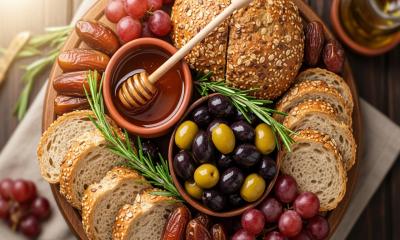
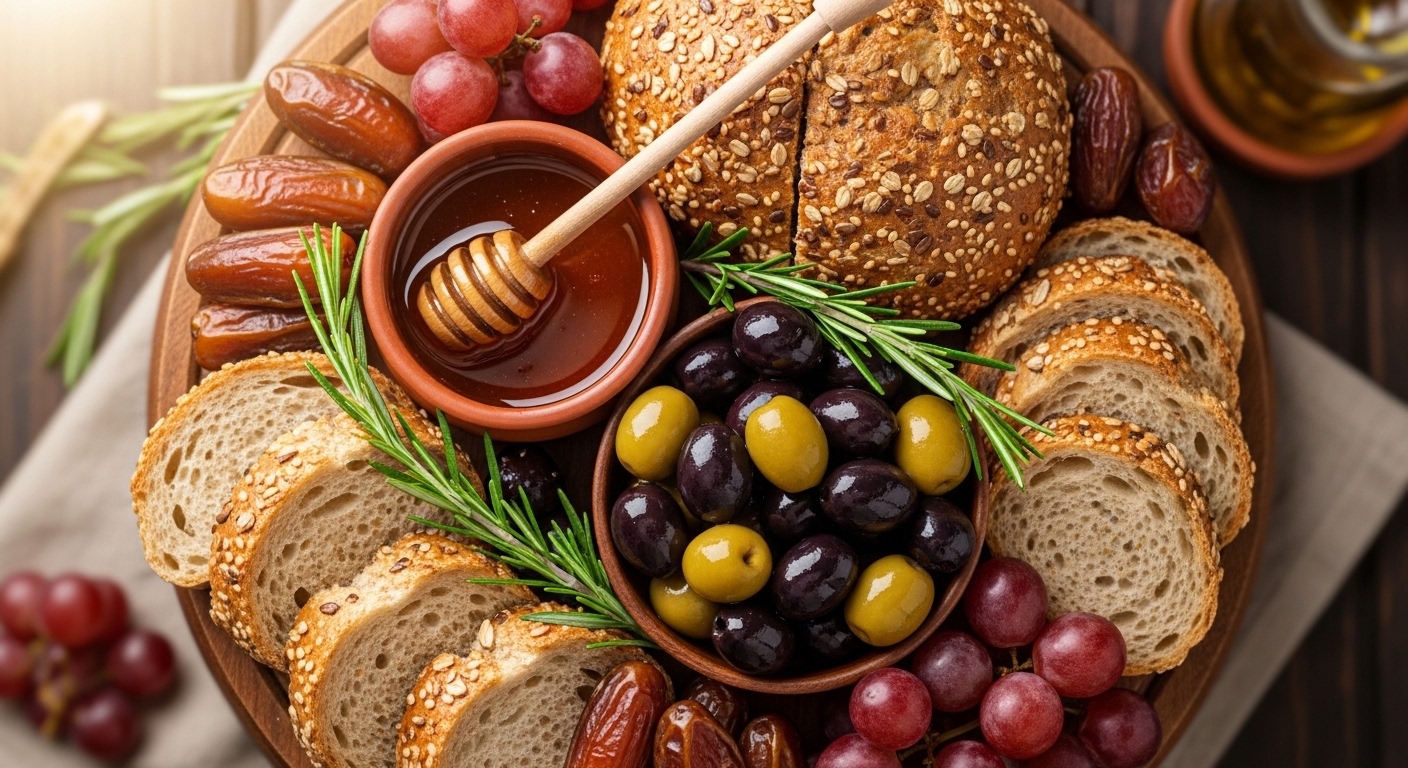
A crucial pillar of the Halal and Tayyib diet is the avoidance of highly processed and artificial foods. Modern fast foods, loaded with preservatives and synthetic additives, are known to damage cellular health. In contrast, Islam encourages the consumption of natural, whole foods. The diet of Prophet Muhammad (PBUH) was rich in Sunnah foods such as dates, honey, olives, and black seeds, all of which are now recognized as "superfoods" by modern nutritionists.
- Dates: An excellent source of natural sugars and fiber, providing an immediate energy boost and promoting digestive health.
- Honey: Referred to in the Quran as a source of healing, honey acts as a natural antibiotic and boosts the immune system.
- Olives and Olive Oil: A primary source of Omega-3 fatty acids, essential for cardiovascular health and anti-inflammatory benefits. (Surah At-Tin, 95:1)
Beyond physical health, a Halal diet ensures mental peace and spiritual satisfaction. When a believer is certain that every morsel they consume is pure and earned through honest means, it fosters a sense of tranquility. This clarity of conscience helps reduce anxiety and depression, as the spiritual heart is not weighed down by the consumption of "Harām" or impure substances. Islamic teachings remind us that impure food not only harms the body but also dims the spiritual light of the soul.
As we approach the holy month of Ramadan, planning a nutritious Iftar is essential for maintaining energy levels. A balanced Iftar should focus on rehydration and nutrient replenishment without overtaxing the digestive system.
- Break your fast with dates and water, as per the Sunnah.
- Minimize deep-fried and oily foods, replacing them with fresh fruits, yogurt, or vegetable soups.
- Ensure adequate water intake throughout the night to prevent dehydration.
Ultimately, a Halal and Tayyib lifestyle is a scientifically sound and holistic approach to well-being. It teaches us moderation—eating until the stomach is only one-third full, with one-third for water and one-third for air. (Sahih al-Bukhari). Endless-journal believes that by returning to a Sunnah-based diet and rejecting harmful, processed foods, we can build a future free from chronic illness and filled with spiritual peace.