
Friday, 24 Apr, 2026
Published: April 24, 2026, 12:40 AM
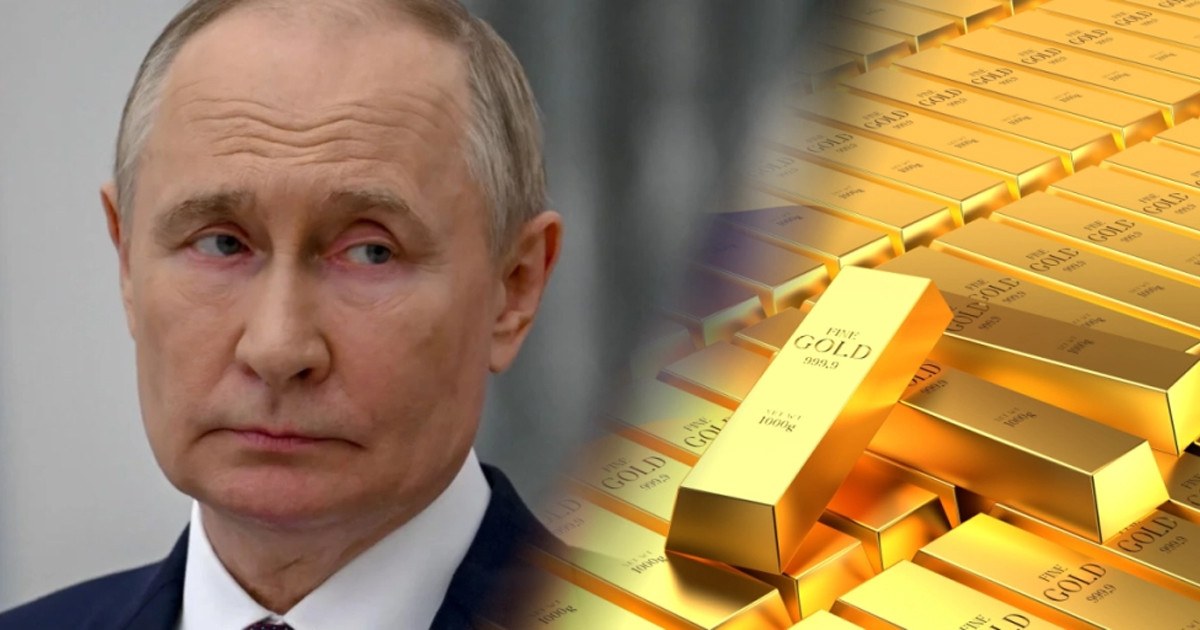
Russia has offloaded a significant portion of its gold reserves in early 2026 as the country grapples with a widening budget deficit and the mounting costs of the prolonged conflict in Ukraine. According to data from Kitko, an international market analysis firm, Russia sold approximately 22,000 kilograms or 21.8 tons of gold in the first few months of this year. This move is seen by financial experts as a strategic effort to stabilize the national economy which is currently under intense pressure from Western sanctions and high military spending.
The Central Bank of Russia reported that as of April 1, 2026, the country`s total gold reserves stood at 2,304.76 tons. However, the data reveals a sharp decline in holdings during the month of March alone, where reserves dropped by 6.22 tons. The primary driver for this liquidation is the massive budget gap which reached $61.2 billion by the end of the first quarter. As the war in Ukraine demands more resources for defense and infrastructure, the Kremlin has been forced to tap into its liquid assets to maintain government operations and social programs.
The domestic market in Russia is also experiencing a peculiar surge in gold demand. Data from the Moscow Exchange indicates that gold trading volume in March spiked by 350 percent year-on-year, reaching 42.6 tons. The devaluation of the ruble has prompted local investors and citizens to seek refuge in precious metals, driving the total transaction value up by 500 percent to approximately 534.4 billion rubles. This internal rush for gold suggests a lack of confidence in the local currency amid high inflation and geopolitical uncertainty.
Furthermore, Bloomberg has highlighted a significant shift in Russia`s international trade patterns. During the first half of 2025 and the beginning of 2026, Russia’s export of precious metals to China nearly doubled. This trend aligns with the People’s Bank of China’s ongoing strategy to diversify its own reserves away from the US dollar. While Russia remains the world’s second-largest gold producer, its ability to maintain high reserve levels has been hampered by the necessity to fund its defense budget through immediate asset sales.
Analysts suggest that Russia’s decision to sell such a large quantity of gold is a calculated risk. While selling reserves provides immediate liquidity, it also reduces the long-term buffer the country has against future economic shocks. The increased defense expenditure and rising energy costs have left the Putin administration with few alternatives to keep the economy afloat. Although the demand for gold among the Russian public remains high, the state’s priority appears to be covering the massive fiscal hole left by the ongoing military campaigns. This situation reflects the broader economic reality of a nation undergoing a transition into a permanent war economy.















Design & Developed by 