Friday, 24 Apr, 2026
Published: April 24, 2026, 12:56 AM
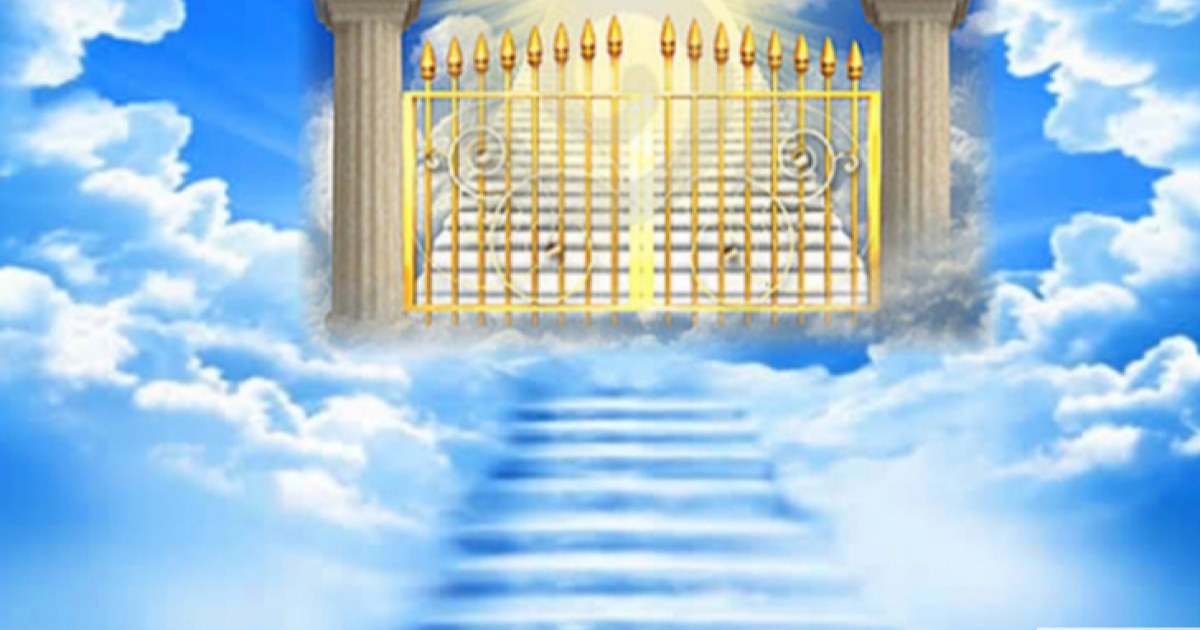
After the transience of worldly life, every human being must journey toward their eternal destination in the hereafter. This mortal world is merely a testing ground, and the sole measure of success in this journey is attaining the pleasure of Allah and securing deliverance from the flames of Hell. In Surah Al-Imran, verse 185, the Holy Quran states clearly: "Whoever is drawn away from the Fire and admitted to Paradise has indeed succeeded." However, this eternal peace will not be granted to everyone. There are specific transgressions that strip a person of the right to enter Paradise. According to authentic traditions of the Prophet (peace be upon him), Jannah has been declared forbidden for three specific categories of people.
To succeed in the afterlife, one must not only worship Allah but also follow the path and ideals demonstrated by the Prophet Muhammad (peace be upon him). The Quran says: "Say,
, `If you should love Allah, then follow me, Allah will love you and forgive you your sins.`" (Surah Al-Imran, Verse: 31). Analyzing the Sunnah and Hadith reveals that certain major sins act as a total barrier to the cooling shade of Jannah. Abdullah ibn Umar (RA) narrated that the Messenger of Allah (peace be upon him) said: "There are three people for whom Allah has forbidden Paradise: the habitual drunkard, the one who is disobedient to his parents, and the Dayyuth." (Mishkat: 3655).The first category is the habitual drunkard or anyone who regularly consumes intoxicants. Alcohol and drugs do not just harm the body; they destroy the conscience and faith of a believer. In Islam, intoxicants are called `Umm al-Khaba`ith`—the mother of all evils. A person under the influence of substances cannot fulfill their duties toward Allah or humanity. In the modern world, lethal drugs are destroying the youth, which is not just a worldly loss but puts their eternal salvation at grave risk.
The second group consists of children who are disobedient to their parents. Those who ignore the commands of their parents or cause them mental or physical pain find their acts of worship unaccepted by Allah. In numerous places in the Quran, the command to be kind to parents follows immediately after the command to worship Allah alone. The pleasure of Allah is hidden within the pleasure of the parents. Yet, in modern society, neglecting elderly parents or treating them harshly has become common. This stern warning from the Hadith reminds us that seeking Jannah is impossible while leaving one`s parents dissatisfied.
The third and critically significant category is the `Dayyuth.` According to scholars of Hadith, a Dayyuth is a man who shows no protective jealousy or concern when his family members engage in obscenity, immorality, or go against the codes of modesty (Hijab). In other words, a man who remains indifferent while his wife, children, or other family members engage in shameless acts or public immodesty, and makes no effort to correct them, is a Dayyuth. Islam appoints the man as the guardian of his household, and every guardian will be held accountable for his subjects on the Day of Judgment. Protecting family members from sin is a primary responsibility of a believing man.
Islamic scholars emphasize that avoiding these three major sins is mandatory for every believer. By submitting to the commands of Allah and living according to the Sunnah of the Prophet (peace be upon him), one can hope to be saved from this severe punishment. While the path to Jannah is one of ultimate peace, staying firm on that path requires purifying oneself and one`s family from these forbidden traits. Success in the hereafter depends on vigilance and the constant pursuit of Allah`s mercy.


















Design & Developed by