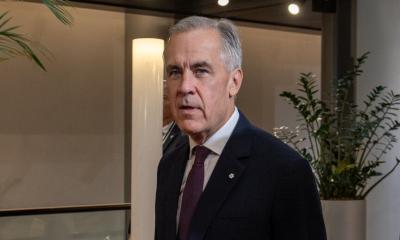
The International Chamber of Shipping (ICS), the leading global trade association for merchant shipowners, has issued a stern condemnation of the recent tit-for-tat seizures of commercial vessels by the United States and Iran. Describing the actions as a direct violation of international law, the organization is demanding the immediate release of all crews currently held in custody. In a recent interview with Al Jazeera, John Stawpert, the marine director of the ICS, emphasized that seafarers must be allowed to perform their duties without being subjected to political persecution.
The Strait of Hormuz, a vital artery for global energy supplies, has become the center of a dangerous geopolitical standoff. According to the ICS, which represents approximately 80 percent of the world’s merchant fleet, the capture of these vessels is an affront to the principle of freedom of navigation. Stawpert argued that innocent seafarers, who are merely transporting global trade, should not be used as pawns to prove political points. He warned that treating commercial shipping as a tool for political leverage sets a catastrophic precedent for international maritime security.
One of the most contentious issues raised by the ICS is Iran’s stated intention to impose tolls in the Strait of Hormuz. Stawpert noted that such a move has no basis in international law and could lead to a breakdown of order in other critical waterways. If a state can unilaterally decide to tax transit in Hormuz, the same logic could eventually be applied to the Strait of Malacca or the Strait of Gibraltar, effectively dismantling the framework of global maritime passage.
The situation has been further exacerbated by the United States’ naval blockade of Iranian ports. Stawpert pointed out that while Iran has effectively throttled the strait, the US naval presence and its subsequent blockade have added layers of uncertainty for shipping companies. Operators are currently navigating a "blind" environment where the targeting criteria of both nations remain unclear, leaving crews in a state of constant fear.
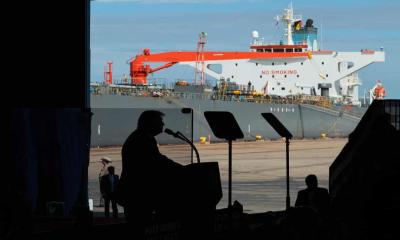
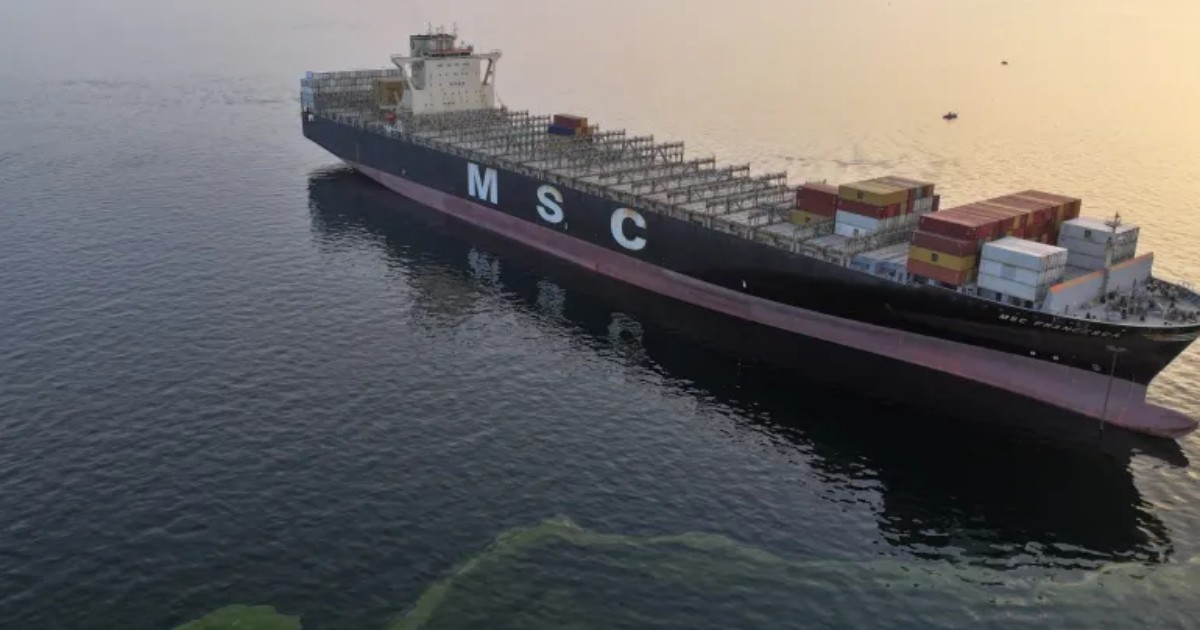
Over the past week, both the US and Iranian militaries have announced the capture of two commercial vessels each. The US Defense Department confirmed the seizure of the Iran-linked Majestic X and the Tifani in the Indian Ocean, alleging they were transporting sanctioned oil. Conversely, Iran’s Islamic Revolutionary Guard Corps (IRGC) seized the Panamanian-flagged MSC Francesca and the Greek-owned Epaminondas. Iran claims these ships were operating without proper permits and had tampered with their navigation systems.
The human cost of this maritime conflict is rising. The Philippines` Department of Migrant Workers confirmed that 15 Filipino seafarers are among those detained, while Montenegro’s maritime ministry has confirmed four of its nationals are on the MSC Francesca. While Iranian authorities have offered assurances that the crews are unharmed, Stawpert remains concerned about the long-term psychological impact. An estimated 20,000 seafarers are currently stranded in the Gulf region due to the blockade, living under conditions that Stawpert described as a form of "house arrest."
The economic fallout is equally severe. The Strait of Hormuz typically carries 20 percent of the world`s oil and natural gas supplies. The current blockage has sent global fuel prices soaring, forcing governments to scramble for emergency energy solutions. Recent data from United Nations Trade and Development shows that transits through the waterway have plummeted from a pre-war average of 129 per day to just five in the last 24 hours. The ICS continues to call for both Washington and Tehran to respect the right of innocent passage and restore freedom of navigation immediately.