
Tuesday, 28 Apr, 2026
Published: April 27, 2026, 11:17 PM
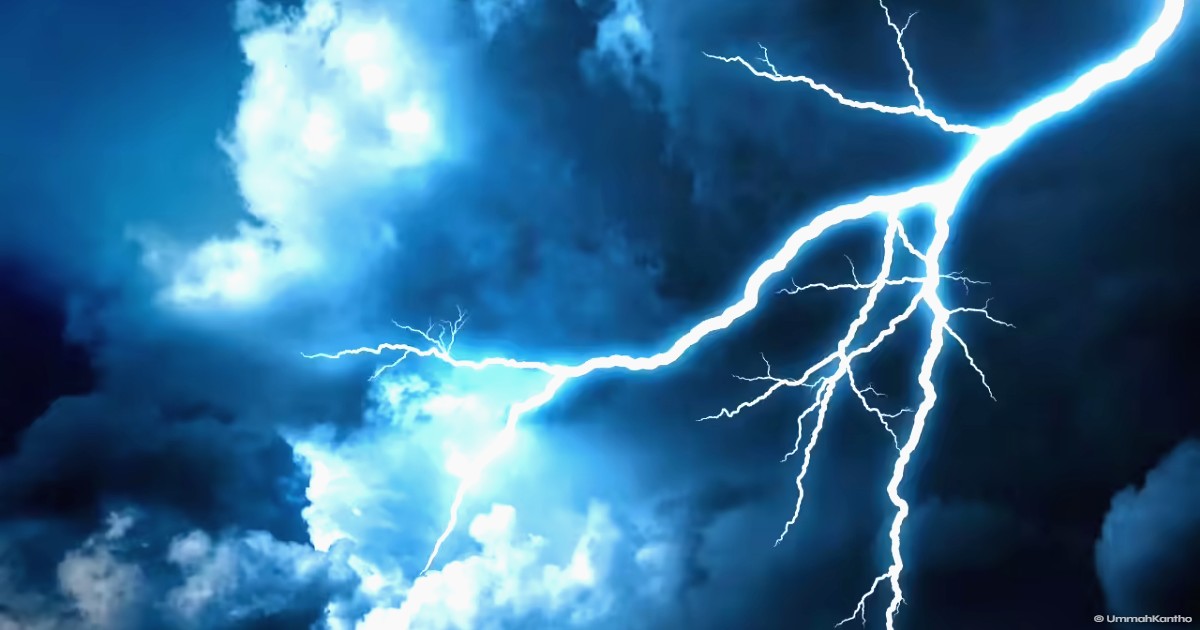
Nature follows an unalterable cycle where the changing seasons bring a transformation to the skies. In Bangladesh, the intense heat of summer is often followed by the thunderous roar of the Kalbaishakhi storms. While these storms offer a reprieve from the heat, they hide a deadly threat known as lightning strikes. Every year, this natural phenomenon claims numerous lives across the country, making it one of the most significant natural hazards in the region.
Statistics reveal that approximately 38 percent of lightning strikes in Bangladesh occur during the months of March, April, and May. The peak of this danger is typically seen during the month of Baishakh, spanning from mid-April to mid-May, when the intensity of the storms is at its highest.
The timing of these lightning storms varies slightly across different geographical regions of Bangladesh. In the western parts of the country, these storms usually strike during the late afternoon or early evening, while in the eastern regions, they are more frequent after dusk. Meteorological experts suggest that by observing the formation of dark cumulonimbus clouds, one can often anticipate a storm two to three hours before it arrives.
One of the primary reasons for the high mortality rate is the presence of people in open spaces during a storm. Farmers, fishermen, and laborers working in open fields are the most vulnerable, as they often lack immediate access to safe shelters and are unaware of the rapid onset of danger.
To remain safe during a lightning storm, the most effective strategy is to stay indoors. As soon as a storm is predicted or the sound of thunder is heard, individuals should seek shelter within a concrete building or a sturdy structure. Taking refuge under trees is a common mistake that often proves fatal, as tall trees are natural conductors for lightning. It is equally important to avoid high grounds, rooftops, and balconies during the storm.
Even inside a house, safety measures must be strictly followed. Staying away from windows is essential as glass can shatter or transmit electrical charges. Keeping windows closed and avoiding contact with electrical appliances like televisions, computers, and refrigerators can significantly reduce the risk of an indoor strike.
For those traveling in vehicles when a storm begins, it is advised to avoid touching any metallic parts of the car. If possible, the vehicle should be parked under a concrete roof or in a safe area away from tall objects. If caught outdoors, wearing rubber-soled shoes can provide a layer of insulation from the ground.
Traditional umbrellas with metallic handles should be avoided, as they can act as lightning rods; instead, umbrellas with plastic or wooden handles are safer alternatives. If a person finds themselves in an open field with no shelter nearby, they should never lie flat on the ground. Instead, the safest posture is to crouch down on the balls of the feet with the head tucked between the knees and ears covered to minimize both electrical and auditory impact.
The risks are also exceptionally high for those on the water. Fishermen should immediately return to shore or take shelter under the boat’s canopy if they are caught in a storm. Within the home, avoiding metallic objects such as taps, pipes, and railings is necessary as lightning can travel through plumbing systems.
In households that lack lightning protection systems, residents should ideally move to different rooms rather than huddling together in one space. If someone is struck by lightning, it is a common myth that they carry an electrical charge; in reality, they are safe to touch and require immediate medical attention, including CPR if their breathing or heartbeat has stopped.
Environmentalists point out that the frequency and intensity of lightning strikes are increasing globally due to climate change and rising atmospheric temperatures. What was once considered a routine seasonal event has now become a national disaster priority for Bangladesh. Long-term strategies such as installing lightning arrestors in rural areas and planting large numbers of palm trees are being discussed as potential mitigation measures.
While human power cannot stop the forces of nature, awareness and timely action are powerful tools in preventing unnecessary loss of life. Ensuring that safety protocols are widely understood and practiced is the first step toward building a more resilient society in the face of nature’s fury.





















Design & Developed by 