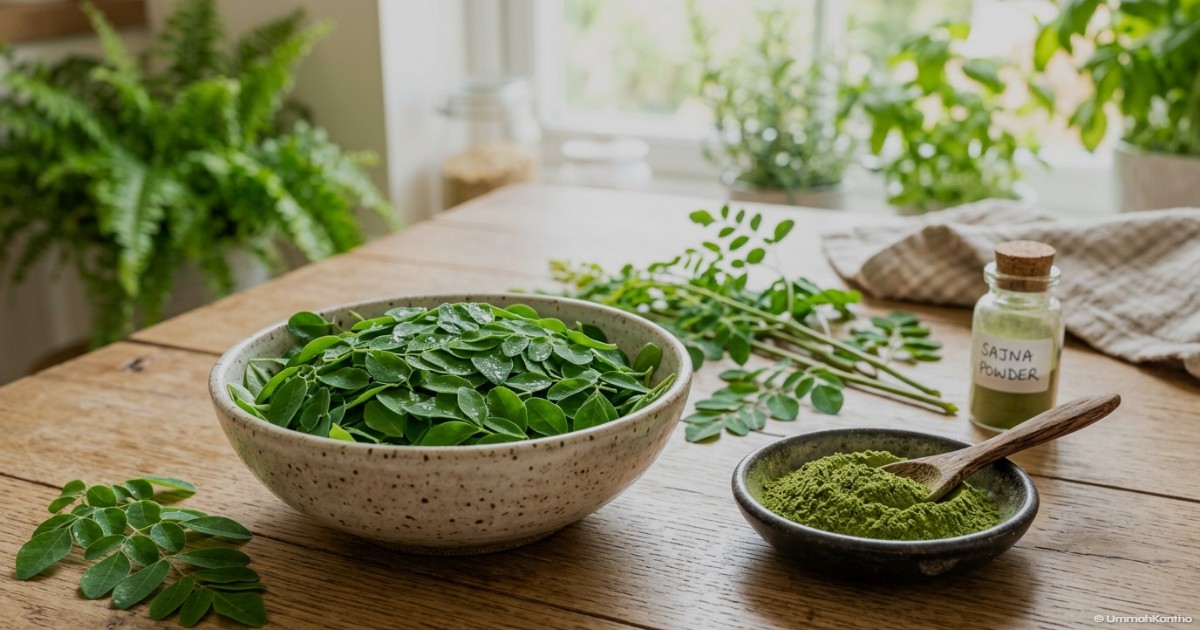
In the evolving landscape of global health and wellness, Moringa oleifera—commonly known as the drumstick tree or miracle tree—has risen to the status of a premier superfood. While it has been a staple in traditional South Asian cuisine for centuries, modern scientific research is now validating its extraordinary nutritional and medicinal properties. From its ability to fight malnutrition to its role in managing chronic diseases, Moringa leaves are proving to be much more than just a common garden plant; they are a nutritional powerhouse recognized by organizations like the World Health Organization (WHO).
The nutritional density of Moringa leaves is truly remarkable when compared to other common foods. According to health experts, gram for gram, Moringa leaves contain seven times more vitamin C than oranges, four times more vitamin A than carrots, and four times more calcium than milk. For individuals struggling with anemia, Moringa is an essential dietary addition as it provides significantly more iron than spinach. Furthermore, its high potassium content—twice that found in bananas—makes it vital for maintaining healthy blood pressure levels and muscular function.
Scientific studies highlighted by Healthline suggest that Moringa is rich in powerful antioxidants, including quercetin and chlorogenic acid. These compounds help neutralize free radicals in the body, reducing oxidative stress and lowering the risk of chronic illnesses such as heart disease and type 2 diabetes. Specifically, chlorogenic acid has been shown to help moderate blood sugar levels after meals. Regular consumption of Moringa leaf powder has been linked to a reduction in fasting blood sugar levels, making it a natural supportive therapy for diabetic patients.
Beyond its vitamin profile, Moringa possesses significant anti-inflammatory properties. Chronic inflammation is often the root cause of many health issues, including arthritis and various cardiovascular conditions. The isothiocyanates found in Moringa leaves help reduce inflammation throughout the body. Additionally, the plant is known for its ability to lower cholesterol levels, mirroring the effects of some traditional medications but with fewer side effects. This contributes directly to improved heart health and better circulation.
Integrating Moringa into a daily diet is relatively straightforward due to its versatility. While fresh leaves can be cooked as greens, Moringa powder is the most convenient form for many. It can be easily stirred into smoothies, juices, soups, or even sprinkled over salads. Many people also enjoy Moringa tea as a caffeine-free energy booster. Nutritionists generally recommend starting with a small dosage, such as half a teaspoon per day, and gradually increasing it to one or two teaspoons to allow the digestive system to adjust.
However, like any potent herbal supplement, caution is advised. While the leaves are generally safe for consumption, those taking blood-thinning medications or medications for diabetes and high blood pressure should consult their physician before adding Moringa to their routine. Pregnant women should also seek medical advice, as certain parts of the tree (like the bark or roots) may have adverse effects. In conclusion, science confirms that Moringa leaves are indeed a "miracle" gift from nature. By understanding and utilizing its vast nutritional benefits, we can take a proactive step toward achieving long-term health and vitality.