Australia is positioned to become the first nation in the world to eliminate cervical cancer, with public health experts projecting the disease could be eradicated within its borders by 2030. According to reports from the BBC and the Australian Broadcasting Corporation (ABC), the country’s two-pronged approach involving aggressive vaccination and high-tech screening is now serving as a global blueprint for the World Health Organization (WHO).
The journey toward elimination began in 2006 when researchers at the University of Queensland developed Gardasil, the world`s first vaccine against the human papillomavirus (HPV). HPV is the primary cause of cervical cancer, the fourth most common cancer in women globally. In 2007, Australia became the first nation to implement a taxpayer-funded national immunization program, initially targeting school-aged girls and later expanding to boys in 2013.
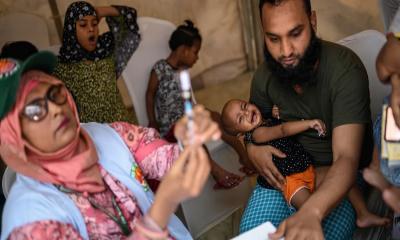
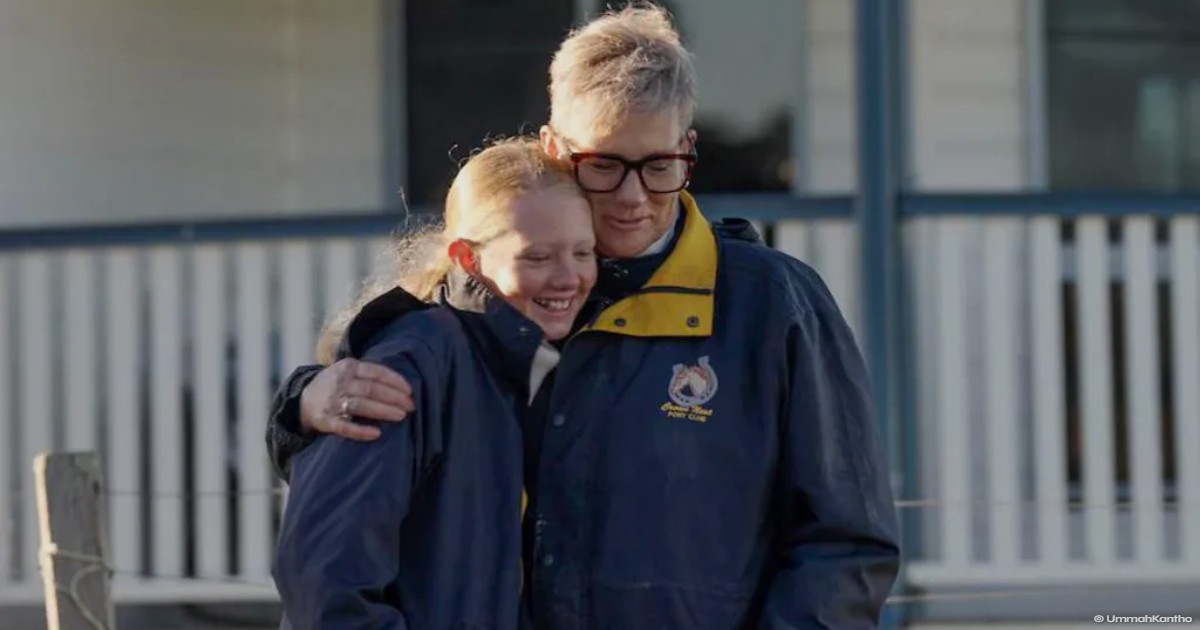
Professor Karen Canfell, an epidemiologist and a leading figure in cervical cancer research, noted that the country’s success is rooted in its ability to translate scientific breakthroughs into accessible public health policy. Today, 12- and 13-year-olds in Australian high schools are routinely vaccinated, a move that provides lifelong protection against the high-risk strains of the virus. For many families, like that of terminal cancer patient Chrissy Walters, the vaccine represents a generational shift toward a future where no child has to lose a mother to this preventable disease.
In addition to the vaccination program, Australia overhauled its cervical screening process in 2017. The country transitioned from the traditional Pap smear to a more sensitive HPV-based molecular test, which is required only once every five years. Furthermore, Australia was a pioneer in offering self-collection kits, allowing women to take their own samples in a private setting. This innovation has been described by health officials as a "game-changer," particularly for marginalized communities and those with limited access to clinical environments.
The World Health Organization defines elimination as a threshold of fewer than four cases per 100,000 women annually. Current modeling suggests Australia will hit this milestone well ahead of the rest of the world. By including boys in the vaccination program, the country has also achieved "herd protection," significantly reducing the overall prevalence of the virus in the community.
While the challenge remains to ensure equitable access to these services across remote and Indigenous populations, the progress made so far is historic. Australia’s commitment to scientific rigor and long-term public health investment has set a standard that other nations are now racing to follow. If the current trajectory holds, the next generation of Australians will be the first in human history to grow up without the threat of cervical cancer.