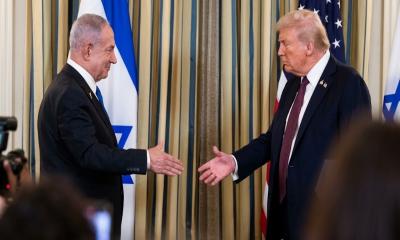
The United States Department of Defense has announced plans to withdraw approximately 5,000 troops from Germany, a move that follows a sharp escalation in tensions between President Donald Trump and German Chancellor Friedrich Merz. The Pentagon confirmed the decision on Friday, framing it as a result of a theater requirements review, though the timing coincides directly with a public spat over the ongoing conflict with Iran.
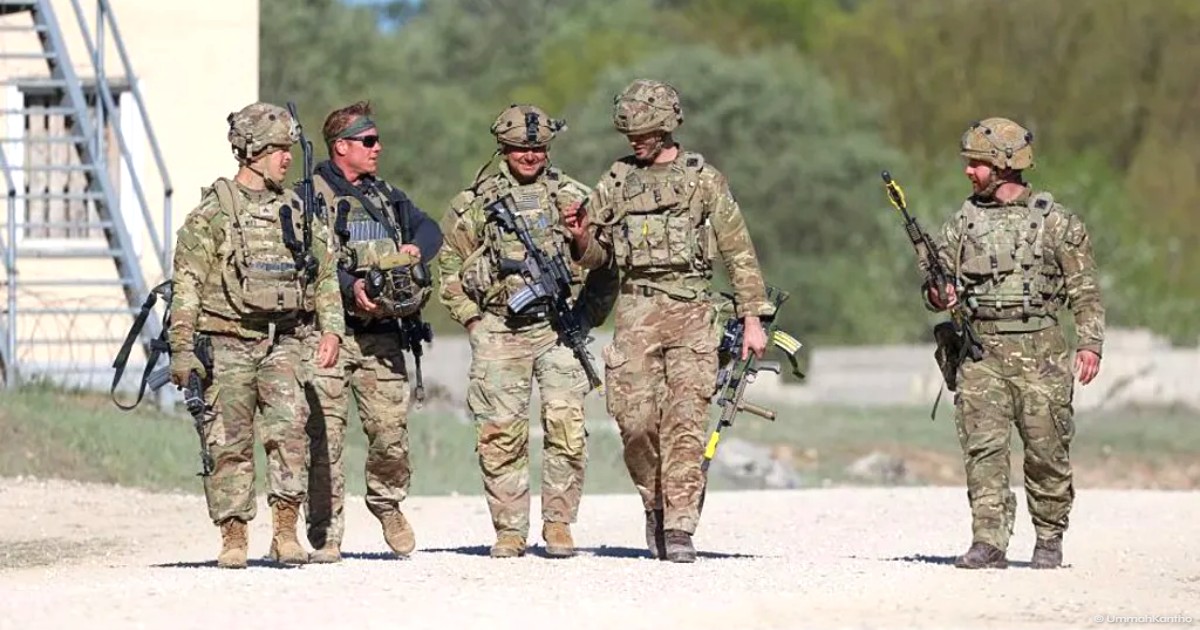
Pentagon spokesman Sean Parnell stated that the order originated from Defense Secretary Pete Hegseth. According to the official statement, the drawdown is expected to be completed within the next six to twelve months. This reduction will bring the total number of US personnel in Germany down from roughly 36,000 to 31,000. Germany has long hosted the largest US military presence in Europe, serving as a critical hub for operations across the continent, Africa, and the Middle East.
The diplomatic rift ignited earlier this week when Chancellor Merz criticized Washington’s strategy regarding Iran. Speaking to university students, Merz suggested that the United States was being "humiliated" by Iranian negotiators and lacked a clear strategic exit from the conflict. He further noted that the Iranians were skillfully outmaneuvering the Trump administration at the negotiating table, leading to economic instability across Europe due to the closure of the Strait of Hormuz.
President Trump responded swiftly and aggressively on his Truth Social platform, accusing Merz of incompetence and failing to secure Germany`s own borders and energy needs. Trump claimed that Merz "doesn`t know what he`s talking about" and suggested that the German leader was indifferent to Iran`s nuclear ambitions. By Thursday, Trump expanded his criticism to other NATO allies, specifically naming Italy and Spain as candidates for further troop reductions, citing their refusal to support US naval operations in the Middle East.
The decision to pull troops represents a significant shift in the transatlantic defense dynamic. While Trump has spent years criticizing NATO allies for "delinquent" defense spending, the Merz government had actually moved to significantly increase its military budget. Germany is currently on track to spend over 3% of its GDP on defense by 2027, far exceeding the NATO benchmark. However, for the Trump administration, political alignment on the Iran war appears to have become the new metric for military cooperation.
According to senior Pentagon officials, the withdrawal will include the removal of a brigade combat team and the cancellation of a previously planned deployment of a long-range fires battalion. These units were part of a buildup initiated during the Biden administration following Russia’s invasion of Ukraine. This reversal signals a pivot in US military focus, potentially shifting resources from Europe to the Indo-Pacific region, as suggested by Secretary Hegseth in recent briefings with other European defense ministers.
Despite the official announcement, the move faces potential hurdles in Washington. Previous attempts by the Trump administration to reduce troop levels in Germany were met with resistance from Congress, where both Democrats and some Republicans view the German bases as essential for global power projection. For now, the German government remains officially silent on the withdrawal, though military analysts in Berlin describe the relationship between the two leaders as having reached a historic low.