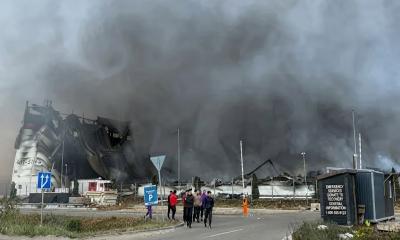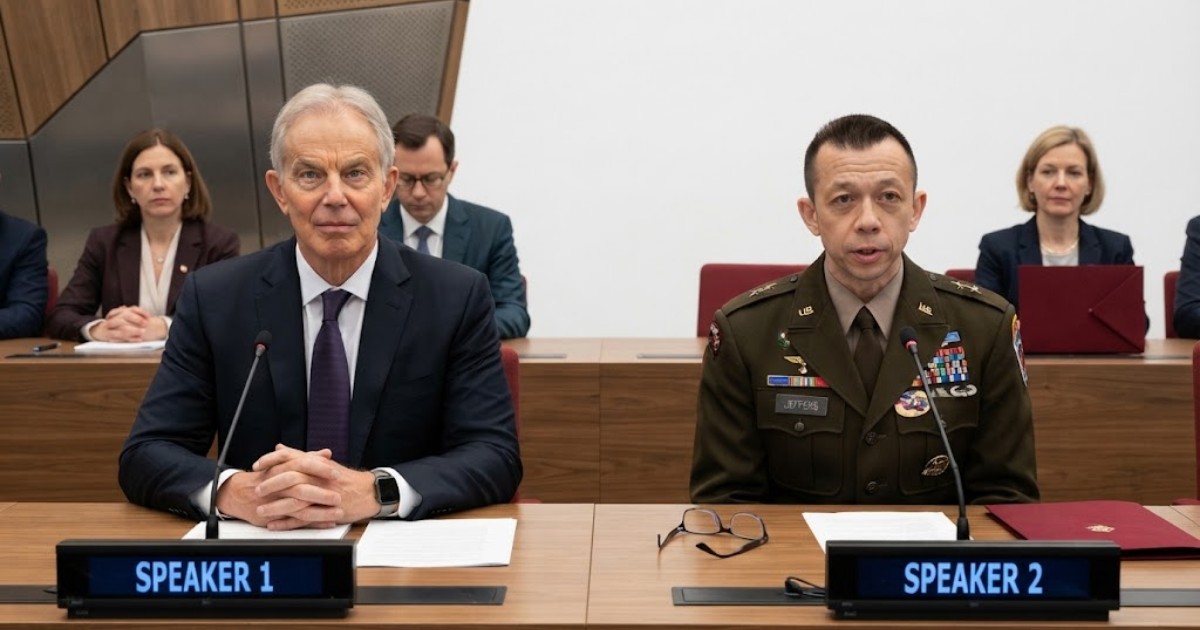
The United States and Israel have formed two joint working groups to manage the disarmament and immediate humanitarian needs of the Gaza Strip, directly linking any future reconstruction to the complete demilitarization of the enclave. The agreement emerged after United States envoy Jared Kushner and officials from the newly formed Board of Peace held extended talks with Israeli Prime Minister Benjamin Netanyahu in Jerusalem on Monday, according to Al Jazeera and Reuters.
The creation of the two committees comes as part of an effort to advance Phase Two of United States President Donald Trump’s 15-point Gaza peace plan. The first working group will focus entirely on security and demilitarization, mandating that all light and heavy weapons be collected and permanently decommissioned alongside the dismantling of the extensive tunnel network. The second group is tasked with addressing urgent sanitation, clean water, and public health issues to prevent disease outbreaks near Israeli military positions.
During the discussions, Kushner and Netanyahu agreed that no comprehensive rebuilding efforts will take place in the devastated territory until the security panel completes its mandate. Kushner delivered a stark message through United States media, stating that they will not allow Gaza to be rebuilt until demilitarization occurs. Netanyahu`s office later released a statement confirming that both sides are determined to see the disarmament completed promptly before any reconstruction begins, as reported by The Guardian.
Crucially, the weapons surrendered by Palestinian factions will not be transferred to the new Palestinian technocratic government, officially recognized as the National Committee for the Administration of Gaza. Instead, the arms will be handed directly to an American-led International Stabilization Force, operating under the command of United States General Jasper Jeffers. Analysts told Al Jazeera that shifting weapons control directly to the United States military while the territory remains under Israeli occupation contradicts previous understandings and will likely create severe friction with Palestinian factions.
The Israeli military still occupies more than 60 percent of Gaza, maintaining control over areas designated as the Yellow Line. Regional mediators have expressed deep concern over the unilateral reshaping of the peace roadmap. Qatari officials condemned the ongoing delays in implementing the initial ceasefire agreement, warning that ignoring the role of mediating countries poses a significant risk to regional stability. Critics argue that conditioning humanitarian relief on immediate weapon surrender exploits civilian suffering for political leverage.
Meanwhile, the humanitarian situation on the ground remains dire. The cumulative toll of the Israeli military campaign since October 2023 has reached 73,400 killed and 174,312 injured, according to figures reported by Al Jazeera. What remains unclear is how the humanitarian working group will function or who will lead its day-to-day operations, as Israeli officials have not provided a definitive timeline or structure for its establishment. Details are still emerging.