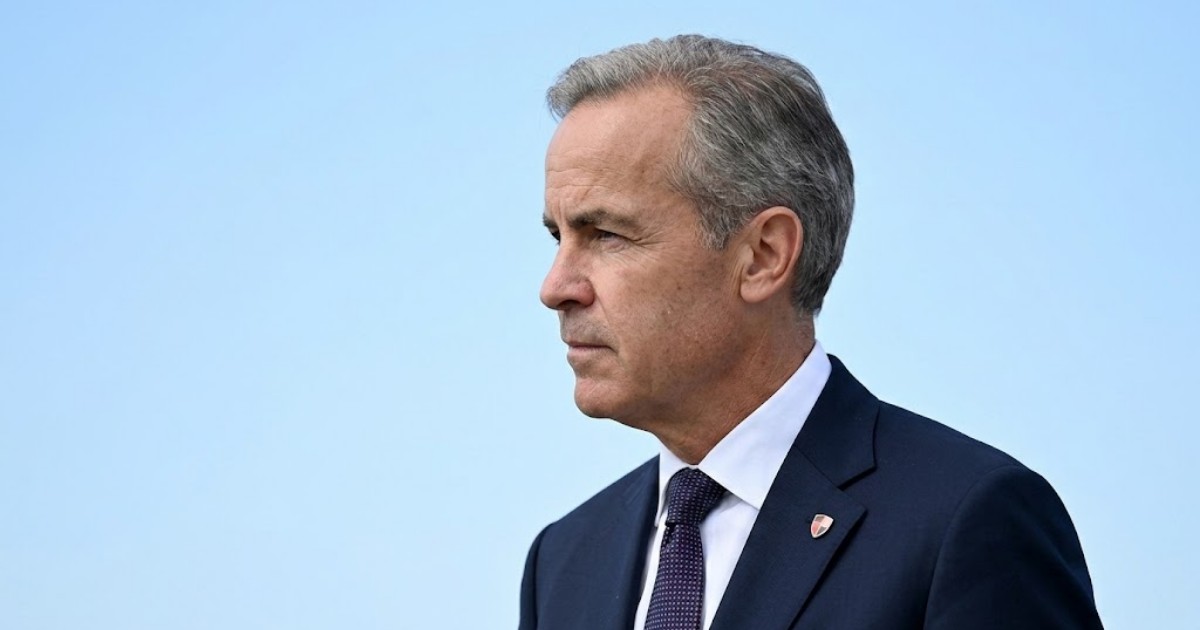
Canadian and US officials are locked in intense last-minute negotiations in Washington to secure a trade agreement before the United States imposes new 50% tariffs on a range of Canadian goods on Wednesday, according to Reuters. Prime Minister Mark Carney described the ongoing discussions as delicate and refused to outline specific concessions, insisting Canada is negotiating from a position of strength. The impending tariffs would target approximately $20 billion worth of Canadian imports, heightening economic anxiety across multiple sectors just days before the deadline.
Canada`s Trade Minister Dominic LeBlanc and Chief Trade Negotiator Janice Charette have held multiple meetings with US Trade Representative Jamieson Greer over the past week. Leaving Greer`s office on Monday, LeBlanc told reporters that the job is not yet done, signaling that significant hurdles remain. The US administration under President Donald Trump has consistently demanded that Canada lift provincial bans on US alcohol, remove retaliatory duties on American automobiles, and dismantle long-standing supply management quotas in the dairy industry. In exchange, Canada is pursuing comprehensive relief from existing US tariffs that have battered its steel, aluminum, automotive, and lumber sectors over the past year.
The political stakes are exceptionally high for Carney as he navigates intense pressure from both Washington and domestic constituencies. Any agreement involving alcohol or dairy would require direct buy-in from Canadian provinces, where local leaders have drawn firm lines to protect their respective jurisdictions. Quebec Premier Christine Fréchette has publicly declared the dairy supply management system non-negotiable, adding complexity to the talks. Meanwhile, Ontario Premier Doug Ford stated that lifting restrictions on American alcohol depends entirely on whether Canada secures broad protections for its core manufacturing and agricultural industries.
Canada’s chief negotiator, Janice Charette, reportedly warned her US counterparts that implementing the new tariffs on Wednesday could jeopardize any further bilateral trade negotiations. Public sentiment in Canada reflects widespread frustration with the prolonged trade dispute, with a recent Abacus Data poll showing that 74% of Canadians feel affected by the economic friction. The survey also indicated that only 18% favor making concessions like ending alcohol bans, while 36% of respondents actively support retaliatory measures against the US. Despite the mounting pressure, Carney remains resolute and is scheduled to speak directly with Trump before the deadline. What remains unclear is whether the two leaders can finalize a compromise that avoids massive tariffs without triggering a severe political backlash in Canada.