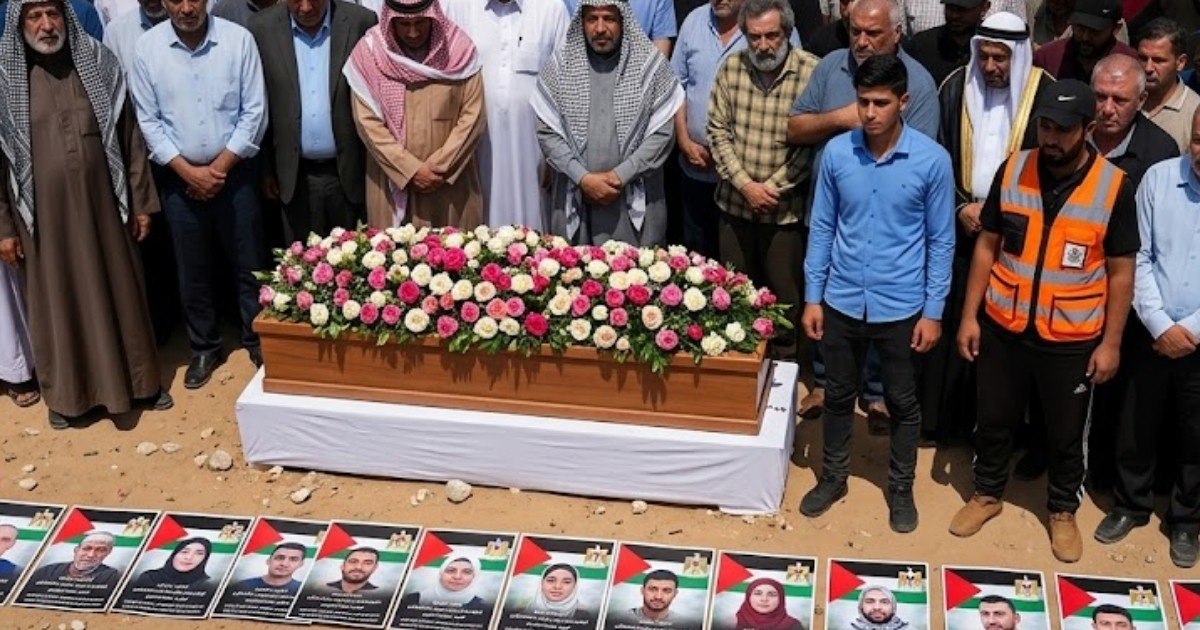
The United Nations children`s agency confirmed on Thursday that at least 300 children have been killed in the Gaza Strip during the roughly 300 days since a so-called ceasefire was announced in October 2025, according to Al Jazeera and AP News. This devastating mortality rate means that an average of one Palestinian child has died every single day since the supposed cessation of hostilities began. UNICEF reported that hundreds more children have been severely wounded as the prolonged military conflict continues to devastate civilian infrastructure across the densely populated enclave.
The humanitarian situation has prompted severe criticism from international child protection organizations. Edouard Beigbeder, the UNICEF regional director for the Middle East and North Africa, stated that a ceasefire arrangement leaving an average of one child dead each day is completely failing the most vulnerable population. He emphasized that children in Gaza are still waiting for the definitive end to the violence that international mediators had initially promised. The agency has urgently pressed all political parties involved in the United States-led peace plan proposals to immediately translate their diplomatic pledges into tangible protective actions on the ground.
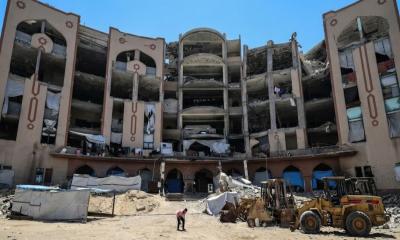
Displaced families are currently surviving under catastrophic living conditions. Civilian populations are now forcibly confined to approximately one-third of the entire coastal enclave due to ongoing military operations. According to the United Nations, these desperate families are sheltering among destroyed residential buildings, massive piles of concrete rubble, and uncleared hazardous waste. The lack of safe shelter and severe overcrowding in these designated safe zones have created an environment that is profoundly dangerous for young children and pregnant women.
The collapse of basic civil infrastructure has triggered a severe public health crisis across the territory. Children continue to face extreme threats from acute malnutrition, rapidly spreading communicable diseases, and a complete lack of safe drinking water. Damaged sanitation and sewage systems have led to heavily contaminated living areas, severely multiplying the risk of deadly outbreaks. Medical professionals on the ground have continuously warned that without immediate access to clean water and adequate nutrition, the death toll from preventable illnesses will rapidly expand.
Medical facilities struggling to operate without consistent electricity and basic medical supplies face an impossible triage situation. UNICEF highlighted a critical shortage of infant incubators in the few partially functioning pediatric wards. This desperate scarcity has left doctors with no choice but to place multiple premature newborns inside a single machine, drastically increasing the risk of fatal hospital-acquired infections. Healthcare workers report working entirely without adequate sterilization equipment, basic painkillers, or specialized pediatric surgical tools.
Despite repeated international appeals for unimpeded humanitarian access, aid delivery remains severely restricted across the borders. What remains unclear is exactly how global mediators plan to enforce basic civilian protection mechanisms if the current diplomatic framework continues to break down. As entire generations of children suffer profound physical and psychological trauma, the international community has yet to outline a viable long-term strategy for rebuilding the healthcare infrastructure required to save the remaining civilian population.