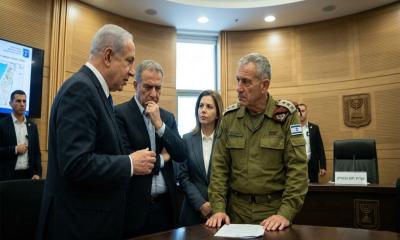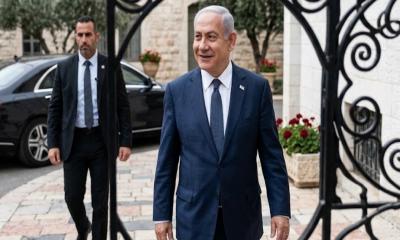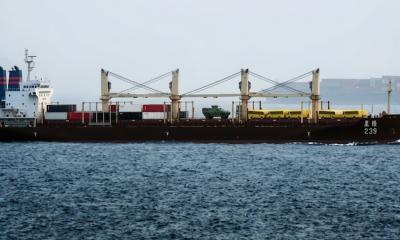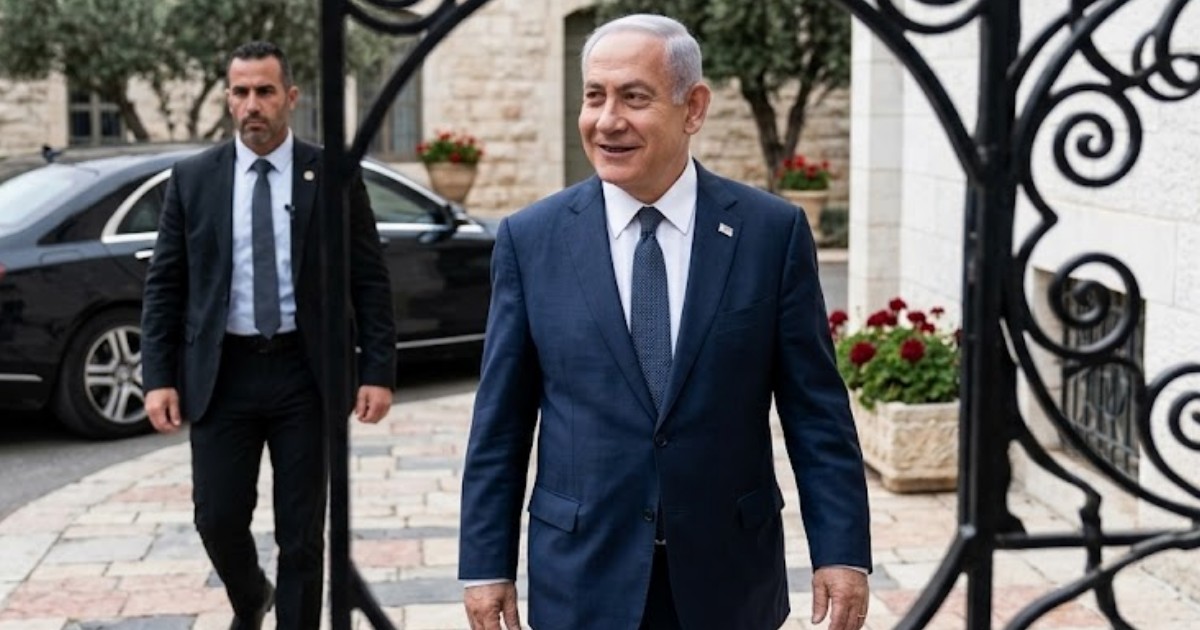
Israeli Prime Minister Benjamin Netanyahu hinted on Wednesday that Israel could take unilateral military action against Iran to prevent the country from acquiring a nuclear weapon, according to Al Jazeera and Anadolu Agency. The statements were made during a state ceremony in West Jerusalem, even as the United States and Tehran appear close to reaching an interim diplomatic agreement to reopen the Strait of Hormuz.
Netanyahu, who faces a crucial election later this year, used the address to frame Iran’s nuclear program as an existential threat to his nation. He claimed that the commander of Iran’s Islamic Revolutionary Guard Corps, Ahmad Vahidi, had recently declared that Tehran intends to continue developing a nuclear weapon. However, Al Jazeera noted that no such official statement from Vahidi has been published by the Iranian government or state media.
"As Israel’s prime minister, I am determined to prevent Iran from obtaining a nuclear weapon," Netanyahu told the attendees. He described the United States as Israel’s greatest ally, but emphasized that he was prepared to do whatever is necessary to guarantee Israeli security.
The remarks arrive at a sensitive time for regional diplomacy. Qatari Foreign Ministry spokesperson Majed Al-Ansari recently stated that mediation efforts between Washington and Tehran have reached advanced stages, with draft proposals being exchanged to secure an end to the ongoing hostilities. Qatar, alongside Pakistan, has been working since June to facilitate negotiations aimed at stabilizing the region and securing freedom of navigation in the critical Strait of Hormuz.
Experts and political analysts are heavily scrutinizing Netanyahu’s strategy. Some observers have questioned the timing of his statements, suggesting he might be seeking to prolong the costly conflict for domestic political advantages ahead of the upcoming elections. Others argue that his rhetoric reflects genuine security concerns regarding the possibility of Iran rebuilding its military capabilities under the cover of a temporary truce.
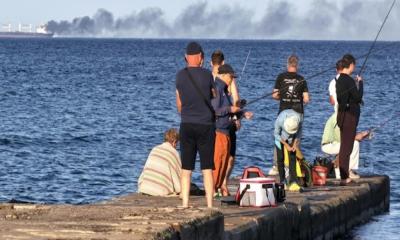
The US-Israel war on Iran, which escalated in late February, has had severe global economic impacts, driving up oil prices and disrupting international shipping lanes. Despite a brief ceasefire in April, the conflict resumed after disagreements over maritime security and shipping protocols along the Omani coast. Since the resumption of hostilities, Israel has reportedly officially struck Iranian targets only once, while the US has carried out extensive operations.
What remains unclear is whether Netanyahu would actually launch a major uncoordinated offensive without explicit backing from the White House. The United States maintains a significant military footprint in the region, and any unilateral Israeli strike could severely derail the fragile ongoing negotiations in Doha. American officials have yet to formally respond to the Israeli leader`s recent comments.
As diplomatic channels remain active, international observers are closely monitoring whether the proposed interim agreement can survive the escalating political pressure from West Jerusalem. Details are still emerging as negotiators work to finalize the terms of the maritime security deal.