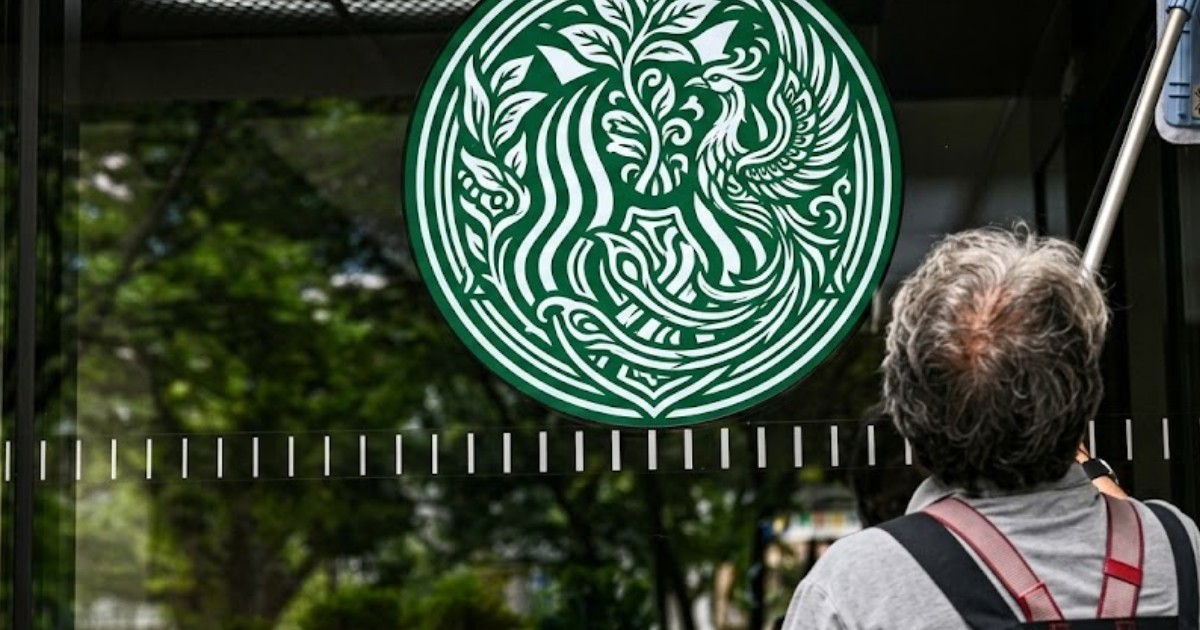
South Korean police raided the national headquarters of Starbucks Korea in Seoul on Wednesday as part of a criminal investigation into a controversial marketing campaign that allegedly insulted victims of a historic pro-democracy uprising, according to reports from Yonhap News Agency and Reuters. The investigation centers on the coffee chain`s “Tank Day” promotional event, which sparked widespread public outrage and mass boycotts across the country.
The controversy erupted in May when Starbucks Korea launched a tumbler discount promotion coinciding with the anniversary of the May 18, 1980, Gwangju Uprising. During that historic event, the military dictatorship deployed tanks and armed forces to brutally crush pro-democracy protesters, leaving hundreds dead. Critics argued that naming the campaign "Tank Day" was a severe insult to the victims and their families. The promotional materials further inflamed the situation by using the phrase "tak on the table!" — mimicking the exact wording police used in a 1987 fabricated statement to cover up the tragic death of a student activist who died under police torture.
Faced with immediate and intense backlash, Shinsegae Group, the retail conglomerate that holds a controlling stake in Starbucks Korea, withdrew the promotion within hours. The company stated that an internal investigation concluded the offensive marketing was an unintentional mistake and that executives failed to recognize the deep historical connections. In an attempt to mitigate the damage, Starbucks Korea sacked its chief executive officer, Son Jung-hyun. Additionally, Shinsegae Group Chairman Chung Yong-jin issued multiple public apologies, and the coffee chain closed its stores nationwide for half a day to mandate history lessons for all employees.
Despite the apologies, civic groups and families of the victims remained unsatisfied and filed criminal complaints demanding a formal investigation into the alleged defamation. Investigators from the Seoul Metropolitan Police Agency searched the company`s offices in the Gangnam district to seize internal documents. Authorities aim to determine whether the marketing team intentionally planned the event to mock the pro-democracy movement. The scandal has had profound financial consequences, causing a sharp decline in sales for Starbucks in South Korea, which stands as one of its largest international markets.
The marketing disaster has also become a prominent political issue in South Korea. President Lee Jae-myung publicly condemned the promotion, stating it was a direct insult to the bloody struggle of the Gwangju residents. Conversely, the controversy has taken a bizarre turn in local politics, as right-wing groups have adopted Starbucks cups as a symbol of opposition against the current government, frequently displaying them at political rallies and during livestreams.
From an ethical perspective, Islamic principles strictly prohibit mocking the suffering of others or exploiting historical tragedies for commercial gain. The Quran clearly instructs that no group should mock or defame another (Surah Al-Hujurat, 49:11). Conducting business with profound sensitivity, respecting communal grief, and avoiding actions that could be perceived as defamatory are fundamental elements required to maintain social harmony and practice ethical corporate responsibility.