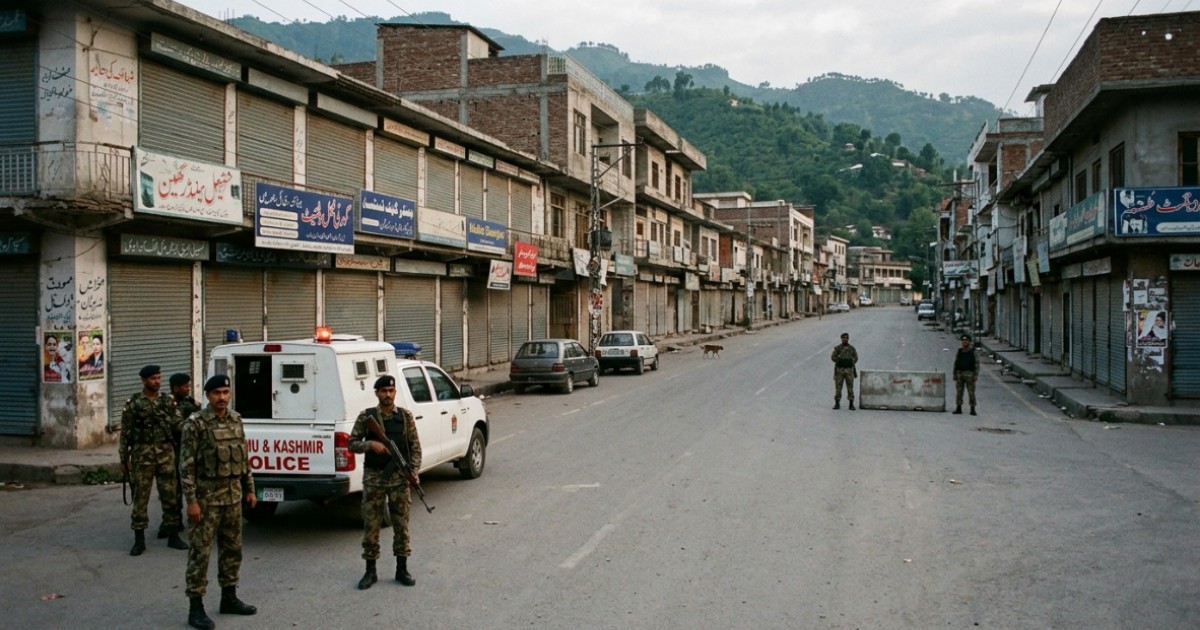
Pakistan-administered Kashmir faced its worst political crisis in years as security forces clashed with demonstrators during staggered regional elections on Sunday, according to Al Jazeera. The region, home to roughly 4.5 million residents, has been gripped by months of intense civil unrest and severe communication blackouts triggered by widespread demands for sweeping electoral reforms and the abolition of 12 controversial reserved seats.
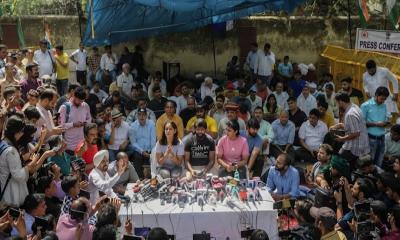
The epicentre of the protests is centered around the Jammu and Kashmir Joint Awami Action Committee, a banned coalition that has organized major general strikes, road blockades, and resistance movements across multiple districts. Demonstrators argue that the 12 legislative seats reserved for Kashmiri refugees who migrated to Pakistan after 1947 unfairly allow non-resident political parties to manipulate local governance and divert regional development funds meant for local infrastructure. Although the Supreme Court of Azad Jammu and Kashmir ruled that these seats are constitutionally protected and require a formal amendment to remove, the judicial decision only intensified public anger and mass mobilization.
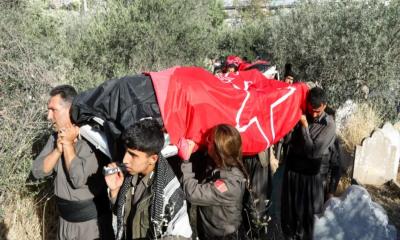
With the second phase of voting concluding under heavy security deployments and widespread business shutdowns in Muzaffarabad, local authorities and civil groups report mounting casualties and deep public discontent. Official figures and local estimates indicate that more than fifty people, including several law enforcement personnel, have lost their lives in violent clashes since the unrest began in early June. Federal military spokespersons have maintained that the state holds the exclusive right to use force and accused external actors of instigating regional instability, assertions that local activists and protest leaders strongly reject as baseless.
Communication lines remain severely constrained across the territory due to ongoing internet restrictions and network blackouts imposed by regulatory bodies and monitoring groups like NetBlocks. The third and final round of regional polling is scheduled to take place on August 10, leaving residents in a state of deep uncertainty and economic hardship. As political tensions continue to simmer and markets remain shuttered, what remains unclear is whether the current electoral process will succeed in resolving the deep-seated grievances over regional autonomy, resource allocation, and economic justice.
Local residents and traders describe a climate of fear and economic paralysis as markets stay closed and daily life comes to a standstill. Many citizens have expressed reluctance to visit major government hospitals for medical treatment out of fear of arbitrary arrests or targeted violence during the security crackdowns. Meanwhile, regional officials have defended their security operations, stating that law enforcement personnel acted strictly to protect public safety against violent groups attempting to disrupt the democratic polls.