Iranian Kurdish opposition parties based in the semi-autonomous Kurdistan Region of Iraq have been placed on high alert and are facing a delicate security balance following the onset of United States and Israeli military strikes against Iran. According to Al Jazeera and Reuters, military bases and political headquarters belonging to these groups have increasingly become direct targets amid the expanding regional conflict.
The prospect of Iranian Kurdish fighters entering the wider conflict to challenge the central government in Tehran has been a subject of intense international discussion. Both Washington and Tel Aviv have previously suggested that arming opposition factions could alter the internal balance of power within Iran, where Kurdish populations represent a significant demographic minority. However, leaders from several prominent Kurdish parties have clarified that they have not received any direct military assistance or tangible logistical support from the United States or its European and Arab allies despite repeated appeals.
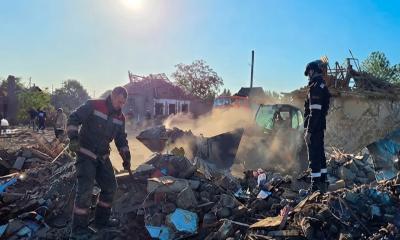
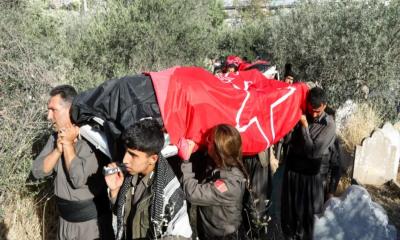
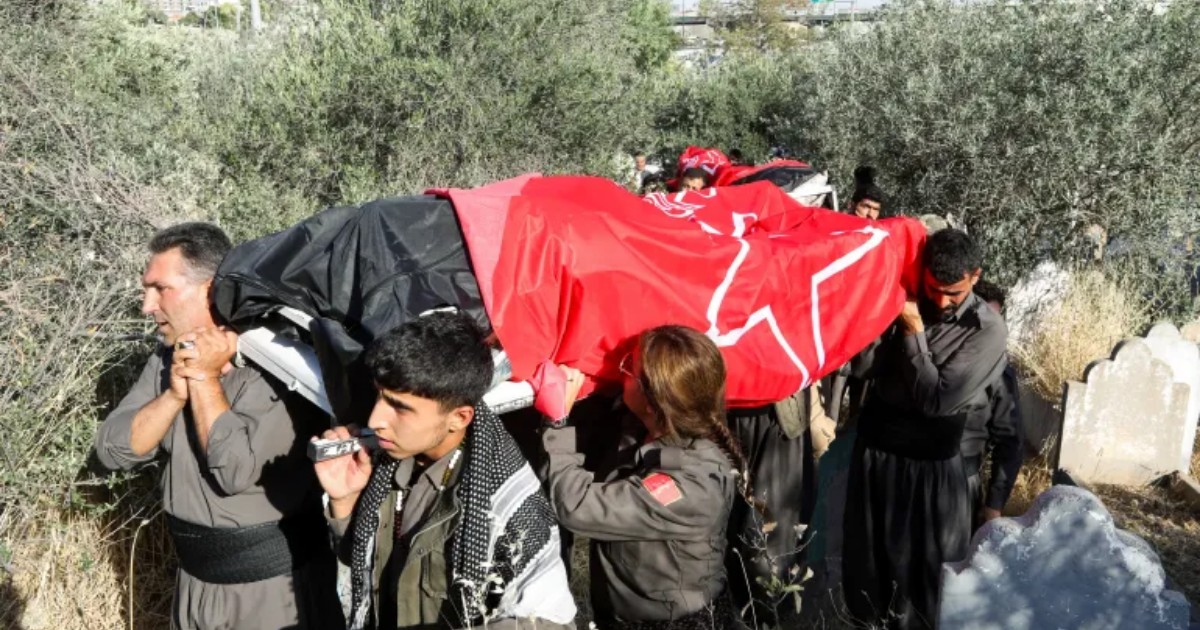
Earlier this year, multiple Iranian Kurdish opposition groups formed a united political coalition in response to domestic crackdowns on antigovernment demonstrations inside Iran. Since the outbreak of military hostilities, however, their infrastructure in northern Iraq has sustained heavy damage from repeated drone and missile strikes. Representatives from organizations such as the Komala Party of Iranian Kurdistan have reported multiple casualties among their ranks as security forces tighten operational perimeters along the border.
Local authorities within the Kurdistan Regional Government of Iraq have repeatedly urged these opposition factions to refrain from activities that could compromise regional security or invite retaliatory military actions from neighboring states. Despite hosting thousands of armed fighters, the leadership remains cautious, emphasizing that the stability and protection of local populations in northern Iraq take absolute precedence over expansive military adventures.
Geopolitical analysts note that the absence of sustained international backing leaves these Iranian opposition movements in a precarious position. While some speculate whether ongoing escalations could eventually precipitate major political shifts in Tehran, the immediate reality for these groups involves navigating severe security vulnerabilities, regional pressure, and the heavy toll of cross-border military strikes. Furthermore, the complex web of regional alliances involving Baghdad, Tehran, and various armed factions complicates the operational landscape even further.
While ordinary citizens and political dissidents inside Iran continue to grapple with severe economic hardships and political repression, the role of external opposition groups remains heavily contested. As military engagements continue to unfold along the rugged mountain borders, the decisions made by regional leaders and international powers in the coming weeks will determine whether these marginalized groups find a path toward meaningful change or face deeper isolation. What remains unclear is whether international actors intend to offer genuine long-term support or if these vulnerable factions will remain isolated amid the shifting tides of Middle Eastern diplomacy.