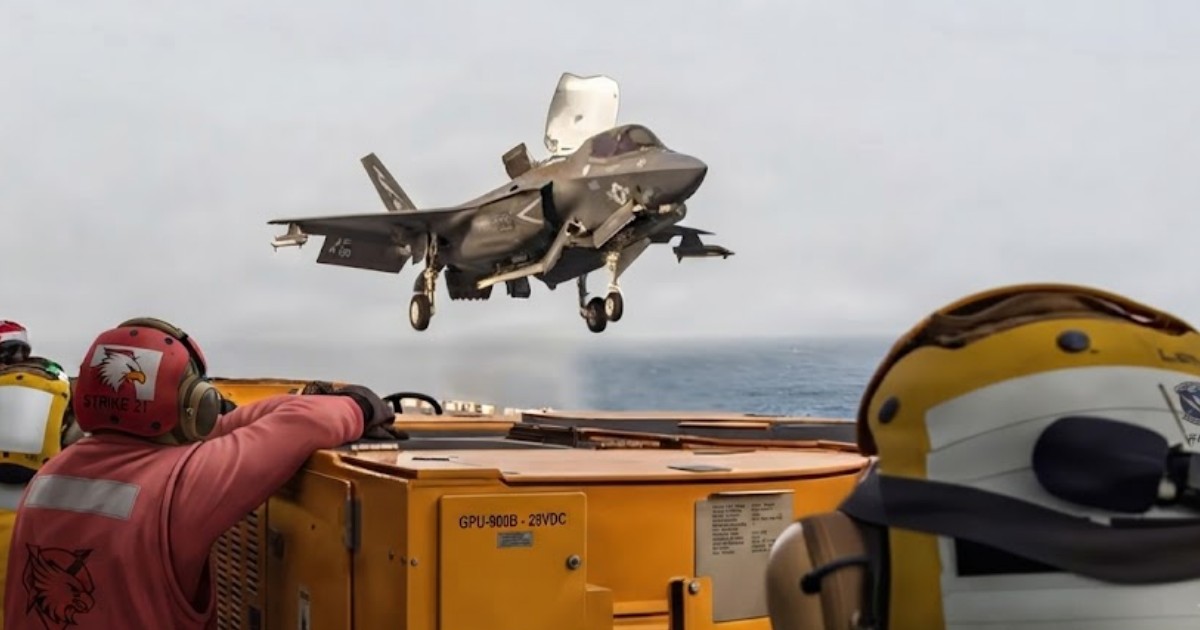
The United States military carried out a fresh wave of airstrikes against Iran on Monday, according to Reuters and BBC News, intensifying the high-stakes struggle for control of the strategic Strait of Hormuz. US Central Command stated that the latest aerial operations were designed to further degrade Iranian military capabilities and protect commercial maritime traffic navigating the vital waterway. This escalation follows stern warnings from Washington leadership vowing severe retaliation for the deaths of American service members in recent regional clashes, marking a dangerous new phase in bilateral hostilities.
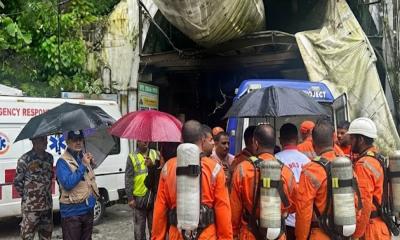
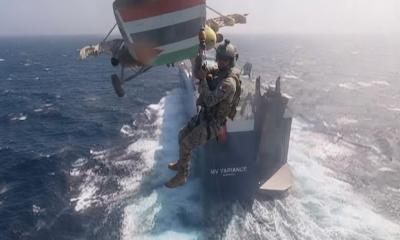
Iranian state media reported that the overnight strikes targeted several military command centers, air defense systems, and missile launch sites near cities including Tabriz. Explosions and substantial structural damage were documented across key coastal ports and strategic military installations, heightening tensions across the entire Middle East. Concurrently, maritime authorities reported that multiple oil tankers sustained damage while transiting through the hazardous southern route of the strait, prompting emergency rescue operations and further disrupting global energy transit lanes.
Iranian leadership formally declared that the nation is now engaged in a full-scale war following the expanded US military campaign and subsequent retaliatory actions targeting Washington`s Gulf allies. Government officials emphasized that Tehran remains fully prepared to defend its sovereignty against ongoing foreign aggression, despite suffering heavy material losses. The renewed hostilities have rattled international energy markets, pushing crude oil benchmarks higher and renewing fears of worldwide inflation as shipping traffic through the critical waterway experiences severe disruptions.
Regional allies including Bahrain, Kuwait, and Jordan reported facing incoming drone and missile threats linked to the expanding conflict. Jordan`s armed forces confirmed intercepting multiple aerial projectiles, while Kuwait noted infrastructure impacts following previous strikes on its territory. Defense officials from allied nations have stepped up vigilance as threats to regional stability multiply. Despite the intensifying military friction, diplomatic channels reportedly remain active through international intermediaries, though neither Washington nor Tehran has shown willingness to compromise.
Maritime intelligence data revealed that commercial vessel transits through the Strait of Hormuz have dropped sharply as shipping companies opt to suspend voyages or seek alternative routes due to escalating security risks. The prolonged confrontation over control and passage rights in the narrow waterway continues to cast a long shadow over global supply chains and geopolitical stability. Observers note that unless a diplomatic breakthrough emerges swiftly, the cycle of retaliation risks plunging the entire region into a deeper and more protracted crisis with global ramifications.