At least ten people have died and seventeen others remain missing following a suspected gas explosion that triggered the catastrophic collapse of an under-construction tunnel at a hydropower project in India`s northeastern state of Sikkim, according to Al Jazeera, Reuters, and The Associated Press. The violent blast ripped through the tunnel on Monday at Samardung village, located near the sensitive border region with Bhutan and Tibet in the majestic Himalayas. Multiple workers were actively carrying out construction operations on the fifty-megawatt project commissioned for the state-owned National Hydroelectric Power Corporation along the turbulent Teesta River. Survivors recounted hearing a massive explosion moments before debris crashed through the tunnel structure, trapping dozens of workers inside.
According to an official statement released by the National Hydroelectric Power Corporation, a sudden and violent burst of gas—suspected to be methane trapped deep within the surrounding rock formations—triggered the initial explosion. As news of the disaster spread rapidly through the remote mountainous area, six officials from the corporation bravely entered the hazardous tunnel to assist with ongoing rescue operations, only to become trapped themselves. Local police chief Sonam Dolma confirmed the grim recovery efforts to reporters, stating that ten bodies had been recovered so far while seventeen others are feared trapped under tons of rubble and debris.
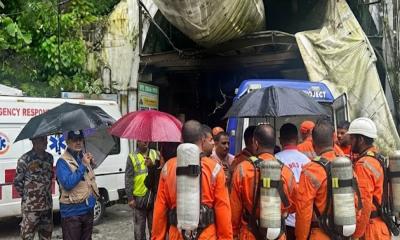
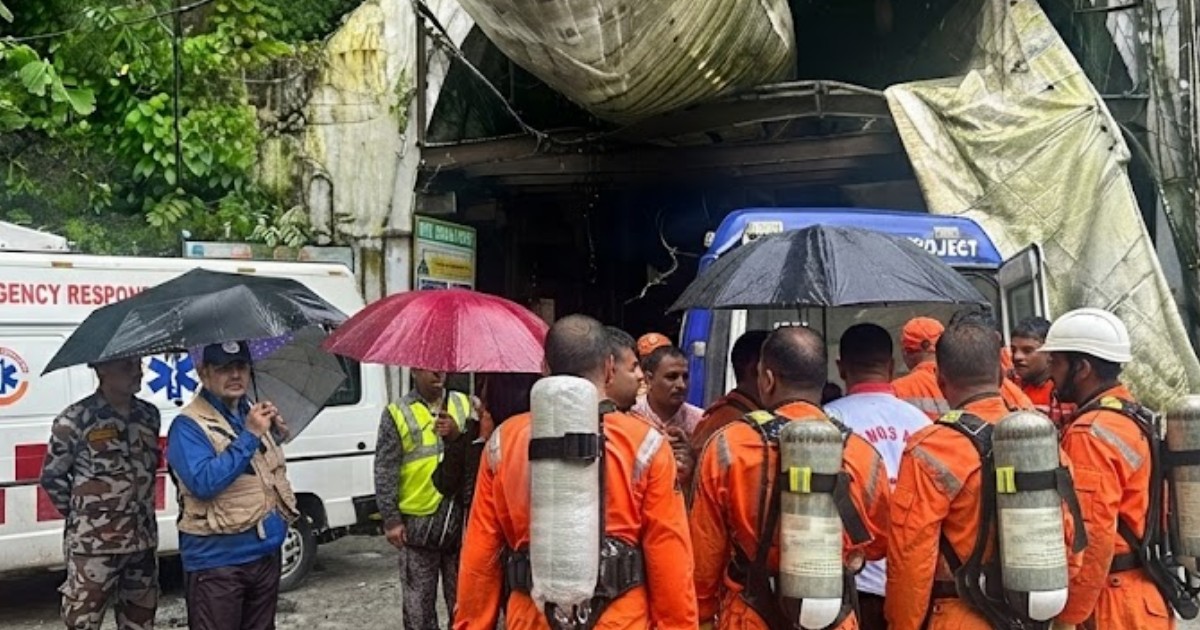
Emergency rescue teams, including elite units from the National Disaster Response Force, have faced extreme difficulties trying to reach the trapped individuals due to intensely hazardous conditions inside the subterranean structure where toxic gases have accumulated. Nitin Kumar, an official with the National Disaster Response Force, briefed reporters at the scene, explaining that rescuers detected dangerous concentrations of methane, carbon monoxide, and hydrogen sulphide inside the dark corridor. Rescuers are relying heavily on specialized breathing apparatus and heavy-duty extraction equipment as they navigate the treacherous air quality in search of potential survivors.
Construction accidents of this nature are unfortunately not uncommon across India, particularly within the rugged Himalayan region where unpredictable underground geological conditions and active seismic faults render major tunnel engineering projects exceptionally hazardous. Industry experts interviewed by the Associated Press noted that the Teesta River basin lies within a highly active seismic zone characterized by young, fragile rock formations riddled with natural fractures and subterranean pockets capable of trapping and accumulating volatile gases. In two thousand and twenty-three, a similar infrastructure disaster unfolded in northern Uttarakhand state, where forty-one workers remained trapped for seventeen days before staging a miraculous rescue.
As recovery operations continue amidst challenging weather and lingering toxic fumes, federal and state authorities are facing mounting scrutiny regarding workplace safety protocols and geological survey standards in remote energy projects. Environmental scientists and engineering experts have reiterated calls for more stringent pre-construction testing and advanced ventilation systems to safeguard workers operating in high-risk subterranean environments. Meanwhile, grieving families and local residents remain gathered near the disaster site awaiting updates, as emergency personnel push forward with their arduous efforts to locate the missing workers.
Local administrative authorities have established relief coordination centers to support the families of the victims and missing workers, providing medical assistance and psychological counseling. State ministers have pledged comprehensive compensation packages for the bereaved families and promised a thorough independent inquiry into the precise sequence of events leading up to the explosion. The tragedy has cast a somber shadow over regional infrastructure development initiatives, prompting renewed debates over balancing economic growth with worker safety in fragile mountain ecosystems.