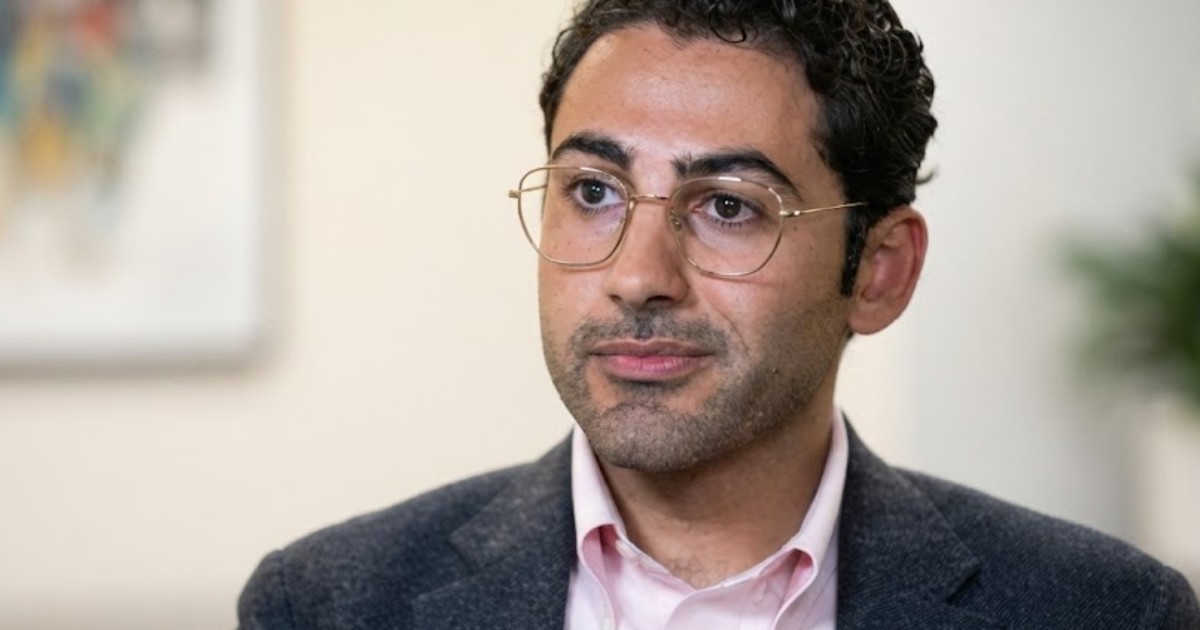
A United States appeals court has overturned a lower court ruling that ordered the release of Columbia University activist Mohsen Mahdawi from immigration detention, marking a significant legal victory for the administration of US President Donald Trump. According to Reuters and Al Jazeera, the appeals court reversed a previous decision by US District Judge Geoffrey Crawford, who had earlier blocked Mahdawi`s detention and accused the administration of causing severe harm to an individual who had committed no crime. This latest judicial development paves the way for the administration to advance its ongoing deportation proceedings against pro-Palestinian student protesters.
Mahdawi, a lawful permanent resident born in the occupied West Bank, was arrested in April twenty twenty-five after attending what he believed was a routine citizenship application interview. He was detained for two weeks without facing any criminal charges, drawing sharp criticism from civil liberties advocates. In May, the Board of Immigration Appeals reinstated deportation proceedings after overturning an earlier decision by immigration judge Nina Froes, who had dismissed the government`s evidence as inadmissible. Froes was subsequently dismissed by the Trump administration amid heightened scrutiny over campus activism and immigration enforcement.
The case has emerged as one of the most contentious legal challenges against President Trump`s aggressive crackdown on pro-Palestinian campus demonstrations across American universities. The administration has consistently defended its actions by invoking federal immigration statutes, arguing that Secretary of State Marco Rubio possesses broad statutory authority to seek the deportation of non-citizens whose continued presence could lead to adverse foreign policy consequences for the United States. Government attorneys maintain that immigration enforcement measures fall squarely within executive discretion and do not infringe upon constitutional protections.
Conversely, human rights lawyers and defense counsels argue that the government`s relentless pursuit of Mahdawi constitutes clear retaliation for constitutionally protected speech and peaceful political advocacy. In previous public statements, Mahdawi accused the administration of weaponizing the federal immigration system to silence dissenting voices and punish stateless Palestinian refugees who dare to speak out for human rights and equality. Legal experts note that the appellate ruling highlights the immense discretionary power wielded by the executive branch in immigration matters, particularly when intersecting with high-stakes geopolitical sensitivities.
As legal battles continue to unfold, civil rights organizations and university coalitions are weighing potential further appeals to challenge the constitutionality of the administration`s deportation tactics. The outcome of Mahdawi`s case is widely expected to set a critical legal precedent governing the intersection of free speech rights, immigration enforcement, and foreign student activism in the United States. With the appeals court lifting the previous protection, the immediate legal horizon remains uncertain for Mahdawi and other foreign nationals targeted under the administration`s sweeping campus security agenda.