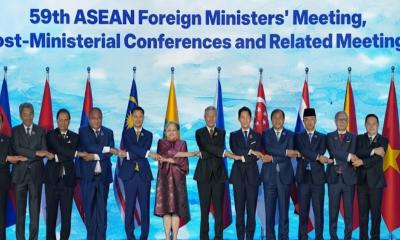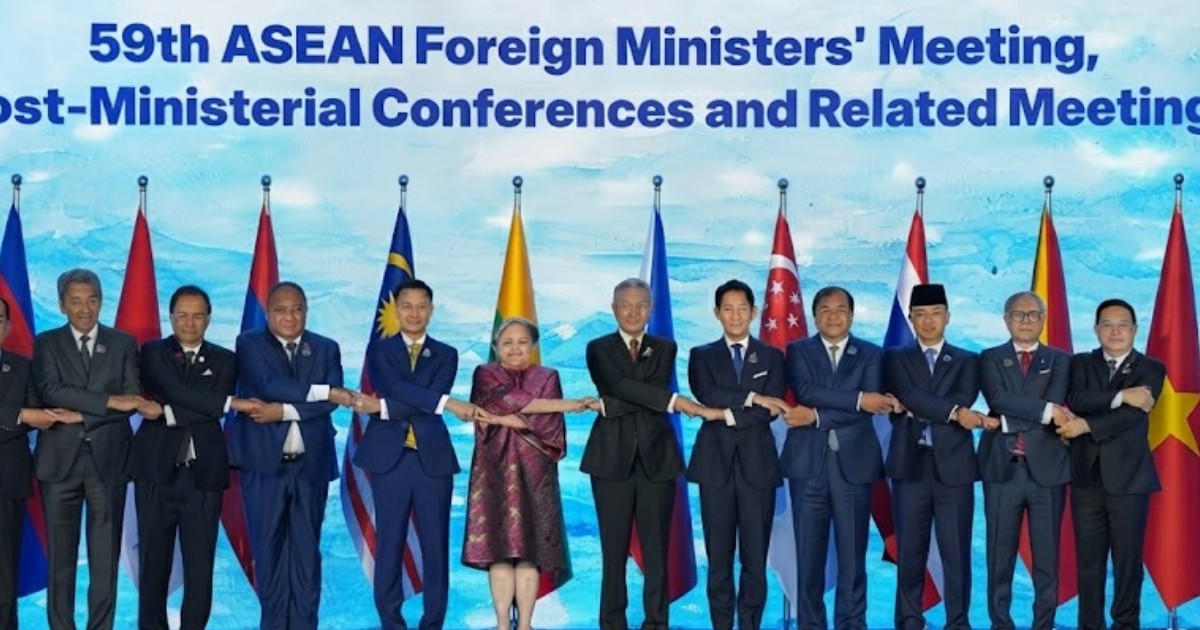
Southeast Asian nations have expressed deep concern over the severe impact of maritime trade blockades in the Middle East, according to Al Jazeera and Reuters. Foreign ministers from the Association of Southeast Asian Nations and their key international partners gathered in Manila on Tuesday against a backdrop of escalating economic instability. The ongoing conflict involving the United States, Israel, and Iran, alongside the closure of the strategic Strait of Hormuz, has severely disrupted global energy supplies and international trade.
Although ASEAN member states boast a combined gross domestic product of 3.8 trillion dollars, their heavy reliance on Gulf nations for oil imports leaves them acutely vulnerable to supply disruptions. During the ongoing summit in capital Manila, heads of state and top diplomats are actively discussing potential oil-sharing mechanisms to mitigate the crippling effects of the war. Recent announcements regarding naval blockades in the Red Sea and Persian Gulf have further heightened fears of protracted energy shortages across the Asia-Pacific region.
Reporting from the summit, Al Jazeera correspondents noted that while Southeast Asia is geographically distant from the Middle East, it remains one of the regions most profoundly impacted by the geopolitical friction. The Philippines, for instance, became the first nation globally to declare a state of national energy emergency, struggling simultaneously against fuel scarcity and skyrocketing prices. While some member nations have turned to non-traditional suppliers like Russia and China to secure immediate oil shipments, curbing soaring market prices remains an uphill battle.
The diplomatic gathering also witnessed the presence of high-ranking representatives from global superpowers including the United States, Russia, and China, highlighting the broad geopolitical ramifications of the Middle East conflict. In an official statement, ASEAN ministers warned that the blockades severely undermine ongoing mediation efforts and diminish prospects for a peaceful diplomatic resolution. The unfolding crisis has forced regional economies to urgently diversify trade partnerships and reevaluate long-term energy security frameworks.
As trade routes remain choked and petroleum benchmarks fluctuate wildly, regional leaders continue consultations to shield their developing economies from further turbulence. Economic experts warn that unless maritime transit lanes are fully restored and diplomatic channels yield tangible results, industrial output and commercial exports across Southeast Asia will face mounting pressures. The international community is closely monitoring the summit outcomes as a barometer for how regional organizations navigate overlapping global shocks.