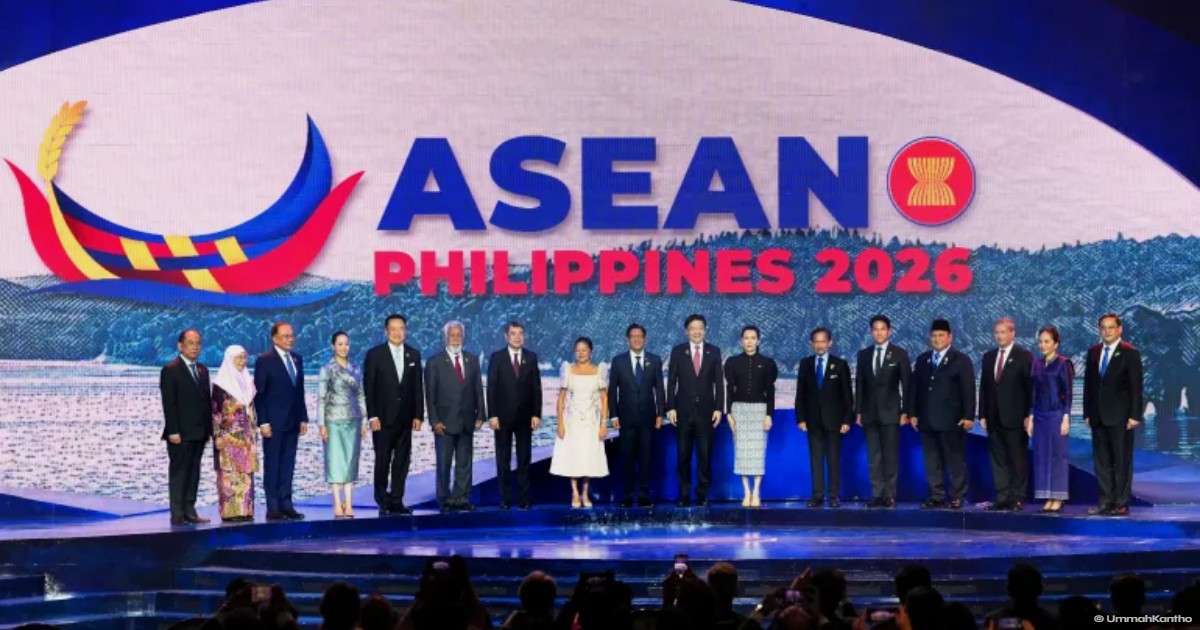
Leaders from across Southeast Asia have reached an agreement on measures intended to mitigate the severe economic repercussions of the ongoing war in Iran. However, officials noted with caution that these initiatives will require a significant amount of time before their impact is felt on the ground. The consensus was reached on Friday during the 48th Association of Southeast Asian Nations (ASEAN) summit held in Cebu, Philippines. The primary focus of the meeting was the continued closure of the Strait of Hormuz, a development that has triggered a major global energy emergency.
The Southeast Asian region is particularly vulnerable to disruptions in the Middle East, as it currently imports more than 50 percent of its crude oil from the territory. According to reports from the Associated Press and Reuters, the strategic waterway has remained closed for over two months, leading to unprecedented fuel shortages. In response, ASEAN member states have agreed to a regional fuel-sharing framework. This collective mechanism is designed to ease the economic strain on individual nations by ensuring that fuel resources are distributed more equitably during acute shortages.
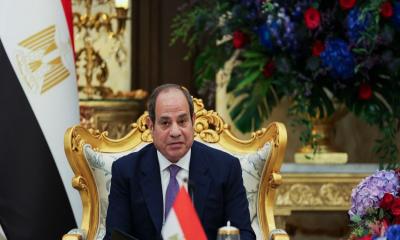
Despite the high-level agreement, the specific operational details of the fuel-sharing program remain unresolved. Key questions regarding which nations would be prioritized during a peak crisis and the financial logistics of the exchange have yet to be finalized. Philippine President Ferdinand Marcos Jr., who currently serves as the ASEAN chair, welcomed the diplomatic outcome but conceded that the practical arrangements are unprecedented for the bloc. He questioned the mechanics of the exchange, noting that the group has never implemented such a system before and must still determine how payments or exchanges will be handled.
The economic fallout from the US-Iran conflict has already begun to manifest across Southeast Asia, with various sectors experiencing deep distress. High energy prices have forced some member states to implement drastic measures, such as closing offices and limiting travel to conserve dwindling oil stocks. The summit’s agenda also touched upon the broader geopolitical implications of the war, including the shifting trade dynamics with the United States under the Trump administration`s current tariff policies. Nevertheless, the immediate threat posed by the energy crisis remains the top priority for regional leaders.
While the fuel-sharing framework represents a significant step toward regional solidarity, analysts suggest that its implementation will be a complex task. The disparity in economic strength among ASEAN members could lead to friction over resource allocation. President Marcos Jr. emphasized that while the leaders are committed to the plan, they are essentially charting unknown territory. For the millions of citizens across Southeast Asia struggling with rising costs, these measures offer a glimmer of long-term hope, though the immediate future remains clouded by the uncertainty of the conflict in the Middle East.