The 2026 Eurovision Song Contest is set to officially launch in Vienna this Sunday with the traditional turquoise carpet parade. While this year marks the historic 70th anniversary of the world`s most famous song competition, the festivities have been severely undermined by a fierce international dispute regarding Israel`s participation. As delegations arrive in the Austrian capital, the competition is facing a significant crisis with five prominent nations announcing a full boycott of the event.
Iceland, Ireland, the Netherlands, Slovenia, and Spain have all officially withdrawn from the 2026 contest. The absence of Spain, one of Eurovision`s "Big Five" financial backers, and Ireland, a record seven-time winner, represents a major blow to the European Broadcasting Union’s (EBU) flagship program. The withdrawals follow a failed attempt last November by several member broadcasters to force a vote on Israel`s expulsion from the competition.
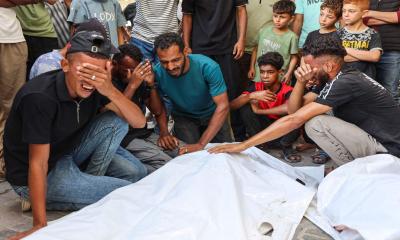
Public outrage stems from the ongoing humanitarian situation in Gaza, where Israeli military operations have led to the deaths of 72,628 people according to health authorities. Although a ceasefire agreement has been in place since October 10, 2025, the tension surrounding Israel`s presence in international cultural events has not dissipated. Previous contests in Malmö and Basel saw massive street protests and required unprecedented security measures for the Israeli delegation.
Controversy deepened after the 2025 final in Basel, where Israeli participant Yuval Raphael secured second place. While her jury scores were modest, she unexpectedly dominated the public televote. Allegations later surfaced that Prime Minister Benjamin Netanyahu’s government had used official state social media channels to manipulate the tally by urging followers worldwide to vote for Israel, a move many viewed as a violation of the contest`s non-political spirit.
The Eurovision fan community, which is traditionally the backbone of the event, remains deeply divided. For many, the contest has become a symbol of political tension rather than musical unity. As the turquoise carpet rolls out in Vienna for the remaining 35 nations, the shadow of the boycott looms large. Organizers are facing increasing pressure to address the ethical implications of including a state involved in significant international conflict, as the 70th anniversary risks being remembered more for its political fractures than its songs.