Tehran continues to carefully weigh a 14-point peace proposal submitted by the United States, as critical issues surrounding Iran`s nuclear program and the Strait of Hormuz persist as primary obstacles. According to reporting from Al Jazeera and Reuters, the Trump administration had initially anticipated a response from the Iranian government by Friday. However, Iranian officials maintain that they are still reviewing the comprehensive offer, emphasizing that any potential agreement must be both fair and inclusive of Iran’s long-term national interests.
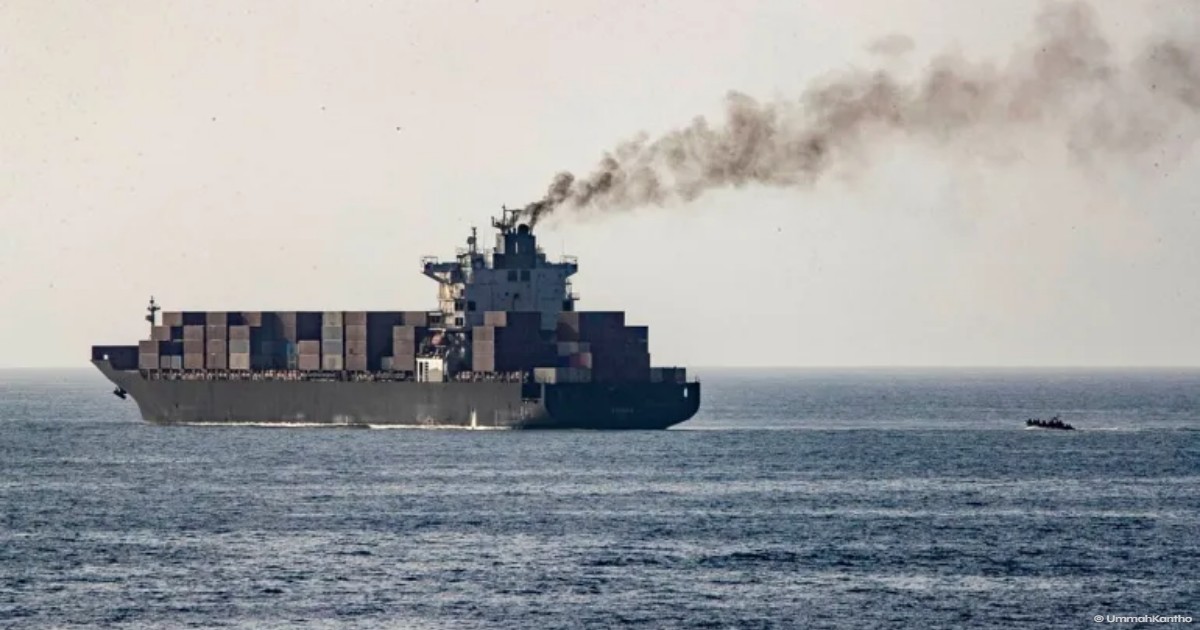
The conflict, which escalated into a full-scale regional war involving the United States and Israel on February 28, has triggered a severe global energy crisis due to a de facto blockade of the Strait of Hormuz. Following a ceasefire that came into effect on April 8, diplomatic efforts have intensified to reach a lasting settlement. The proposed 14-point framework requires Iran to suspend its nuclear enrichment activities for a minimum of 12 years and to reopen the strategic waterway, through which approximately 20 percent of the world’s crude oil and gas passes.
A central component of the U.S. proposal involves the handling of Iran’s current uranium stockpile. Reports suggest that Tehran currently holds an estimated 440 kilograms of uranium enriched to a 60 percent purity level. The White House is demanding that this stock be handed over to prevent Iran from reaching the 90 percent threshold required for weapons-grade material. In exchange for these concessions, Washington has offered to lift decades-long economic sanctions and release significant Iranian assets currently frozen in international accounts.
Diplomatic pressure is mounting as U.S. Secretary of State Marco Rubio expressed hope for a response within hours during a press briefing in Rome. Rubio noted that the administration is looking for a signal that would allow for a serious and sustained negotiation process. President Donald Trump has also maintained an optimistic public stance, suggesting that progress is being made and that a deal is very possible. Despite this optimism, the reality on the ground remains tense, with sporadic skirmishes reported near the Strait of Hormuz as the U.S. naval blockade continues to impact Iranian ports.
The economic stakes of these negotiations are immense. The closure of the Strait of Hormuz has sent shockwaves through global markets, leading to increased pressure from international allies to resolve the standoff. Iranian leadership is reportedly concerned that accepting the current terms without further guarantees could leave the nation vulnerable to future policy shifts in Washington. Analysts suggest that Tehran is likely seeking more definitive assurances regarding the permanence of sanctions relief before committing to such significant nuclear restrictions.
As the review process continues in Tehran, the international community remains on high alert. The outcome of this diplomatic maneuver will determine not only the stability of the Middle East but also the trajectory of the global economy for years to come. Whether Iran will accept the current U.S. terms or propose a counter-framework remains the most pressing question for diplomats and world leaders alike. For now, the world waits to see if this 14-point plan can truly end the war or if the deep-seated mistrust between the two nations will once again stall the path to peace.