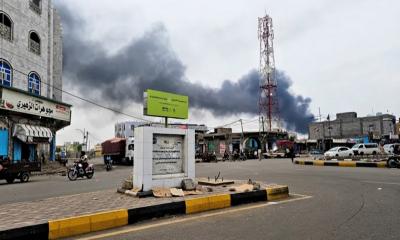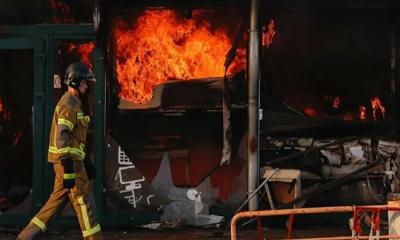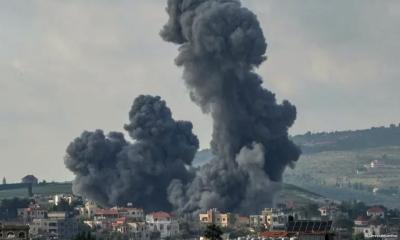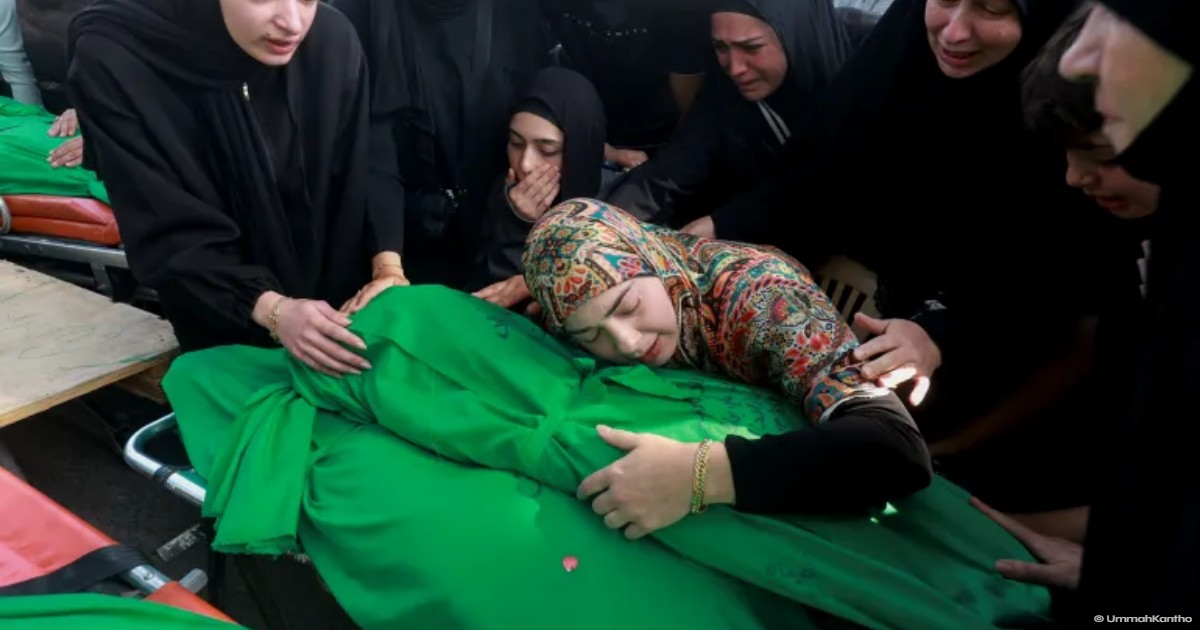
The US-Israel war on Iran has reached its 72nd day as the international community remains in a state of nervous anticipation. On Sunday, while a fragile ceasefire between Washington and Tehran appeared to be technically holding, Israeli jets carried out a series of devastating airstrikes across southern Lebanon. According to reports from Al Jazeera, Reuters, and AFP, at least 24 people were killed in a single day as Israel targeted more than 10 towns, including Saksakiyeh and Haret Saida. The escalation comes despite the regional ceasefire that took effect last month, raising fears that the conflict could spiral out of control once again.
The strikes on Lebanon occur as the United States awaits a formal response from Tehran regarding a 14-point peace proposal aimed at ending the hostilities that began on February 28, 2026. The Trump administration’s latest offer is ambitious, requiring Iran to freeze its uranium enrichment activities for 12 years and to immediately reopen the strategic Strait of Hormuz. In return, the U.S. has promised to lift decades-long economic sanctions and release billions in frozen Iranian assets. However, Tehran has yet to provide a definitive answer, stating only that it is conducting a "comprehensive review" of the terms.
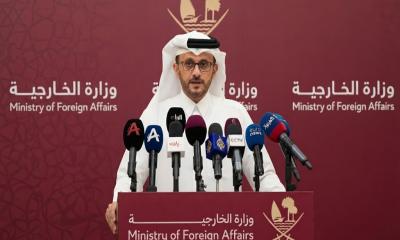
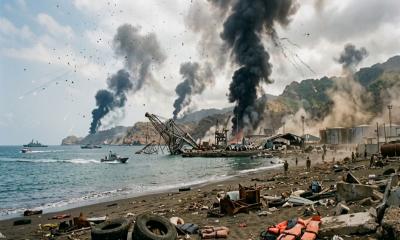
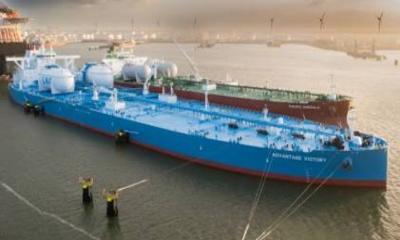
The delay in Tehran’s response is compounded by increasing naval friction in the Persian Gulf. Gulf neighbors, including Qatar, Kuwait, and the United Arab Emirates, have recently reported several drone incursions. Qatar confirmed that a drone struck a cargo ship in its waters, causing a fire but no casualties. The UAE claimed to have intercepted two Iranian drones, a charge that the Islamic Revolutionary Guard Corps (IRGC) has denied. Nevertheless, the IRGC Navy has issued a stark warning, stating that any aggression against Iranian vessels would be met with a "heavy assault" on U.S. military bases in the region.
The geopolitical ripple effects of the 72-day war are manifesting economically across the globe. With the Strait of Hormuz effectively under a blockade, global energy prices have surged, with US petrol prices reported to be 50 percent higher than pre-war levels. This crisis prompted ASEAN leaders to convene an emergency summit in Cebu, Philippines, where they adopted a regional fuel-sharing framework. Philippine President Ferdinand Marcos Jr. acknowledged the complexity of the situation, noting that the bloc is navigating uncharted territory in its attempt to stabilize regional economies.
Humanitarian concerns continue to mount as the death toll rises across various fronts. In Gaza alone, the Hamas-led health authority reports that over 72,000 people have been killed since October 2023. The latest deaths in Lebanon further underscore the volatility of the current truce. Ebrahim Rezaei, spokesperson for the Iranian parliament’s foreign policy committee, stated on Sunday that Tehran`s "restraint is over," signaling that the window for a diplomatic solution may be closing. As the clock ticks, the world remains focused on Tehran, where the decision to accept or reject the U.S. plan will determine the future of Middle Eastern stability.