South Africa commemorated the 70th anniversary of its historic Women`s Day on Sunday, but a comprehensive analysis published by Al Jazeera highlights that genuine gender equality and physical safety remain completely out of reach for millions of women across the nation. The profound reflections on the country`s progress and ongoing societal struggles come decades after a pivotal moment in the historical fight against systemic oppression.
The annual observance on August 9 traces its deep origins back to a monumental protest in 1956. During that historic Thursday, approximately 20,000 women marched on the Union Buildings in Pretoria to vehemently oppose the pass laws proposed by the apartheid government. The racially discriminatory legislation sought to force African women to carry identification documents, effectively severely restricting their freedom of movement and subjecting them to arbitrary police stops and searches.
Organized by the multiracial Federation of South African Women and the Women`s League of the African National Congress, the massive demonstration became a defining catalyst for the nation`s political landscape. The women delivered formal petitions to the office of the Minister for Native Affairs and sang defiant protest songs aimed directly at the prime minister, declaring that striking a woman was equivalent to striking a solid rock. Observers and historians note that this defiance laid the critical groundwork for the modern South African women`s movement, providing a powerful blueprint for subsequent generations of political activists.
When the apartheid system officially ended in 1994, the momentum from the 1956 march translated into substantial political gains. Many veterans of the original protest helped ensure that the newly democratic nation prioritized gender representation at the highest levels. As a result of these sustained efforts, South Africa currently boasts some of the most progressive gender equity policies globally. Today, women constitute nearly 45 percent of the national parliament and hold a significant portion of ministerial positions, representing a major triumph in formal political equality on the continent.
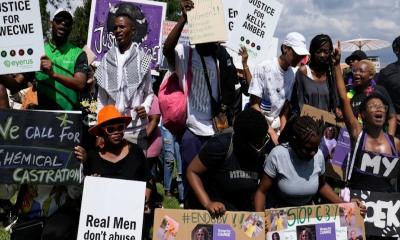
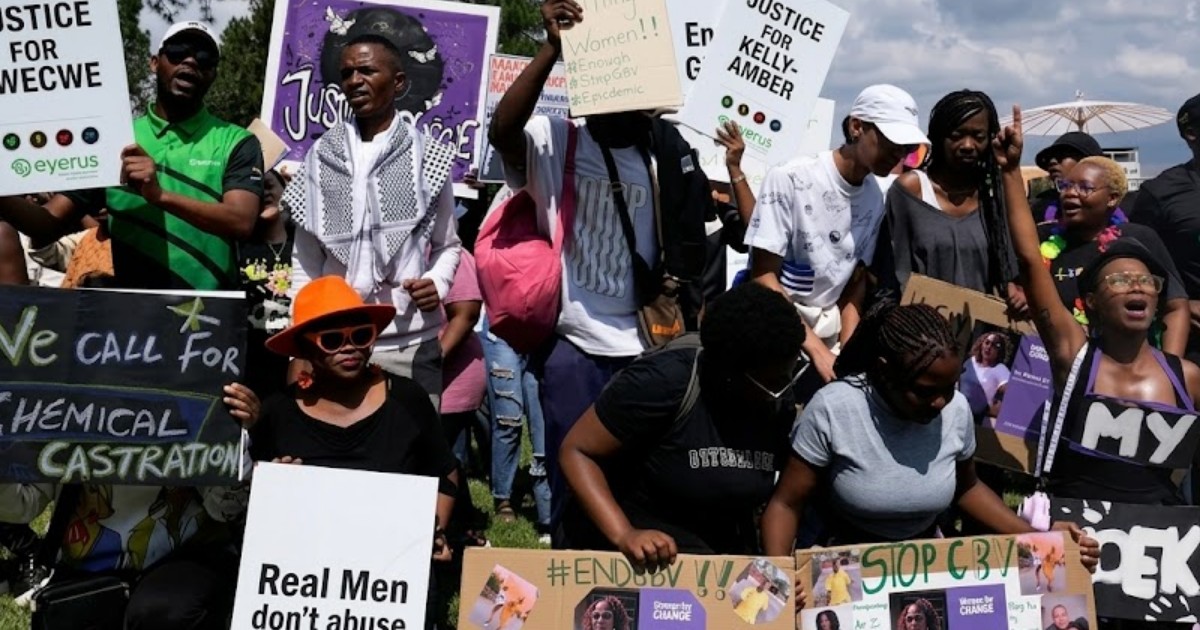
However, the Al Jazeera analysis underscores a devastating disconnect between these legal milestones and the daily lived reality for ordinary citizens. Despite having strong constitutional protections, the country faces an ongoing crisis of gender-based violence. National studies indicate that 33.1 percent of South African women aged 18 and older have experienced physical violence in their lifetimes. Furthermore, broad surveys show that one in five men admits to perpetrating physical or sexual violence against an intimate partner. This grim reality exposes the severe limitations of formal legislation when societal attitudes and aggressive behaviors remain fundamentally unchanged.
The disparity extends deeply into the national economic sector. While the end of apartheid allowed a segment of women to achieve middle-class status, millions of others remain heavily trapped in severe poverty. Women in marginalized communities continue to battle staggering unemployment rates, lack of access to adequate healthcare, and substandard educational services. Analysts point out that the failure to dismantle the underlying economic structures of the apartheid era means that formal political rights have not yielded material equality for the most vulnerable populations. What remains unclear is how the current political establishment plans to bridge this massive economic divide moving forward.
As South Africa reflects on 70 years of continuous activism, the original spirit of the 1956 march remains highly relevant. Human rights advocates stress that the enduring lesson of the historical movement is that the heavy burden of achieving gender equality cannot rest solely on the shoulders of women. While female activists have continuously demanded justice and safety for generations on the streets, observers argue that real societal transformation will require a comprehensive, active, and immediate response from the broader male population.