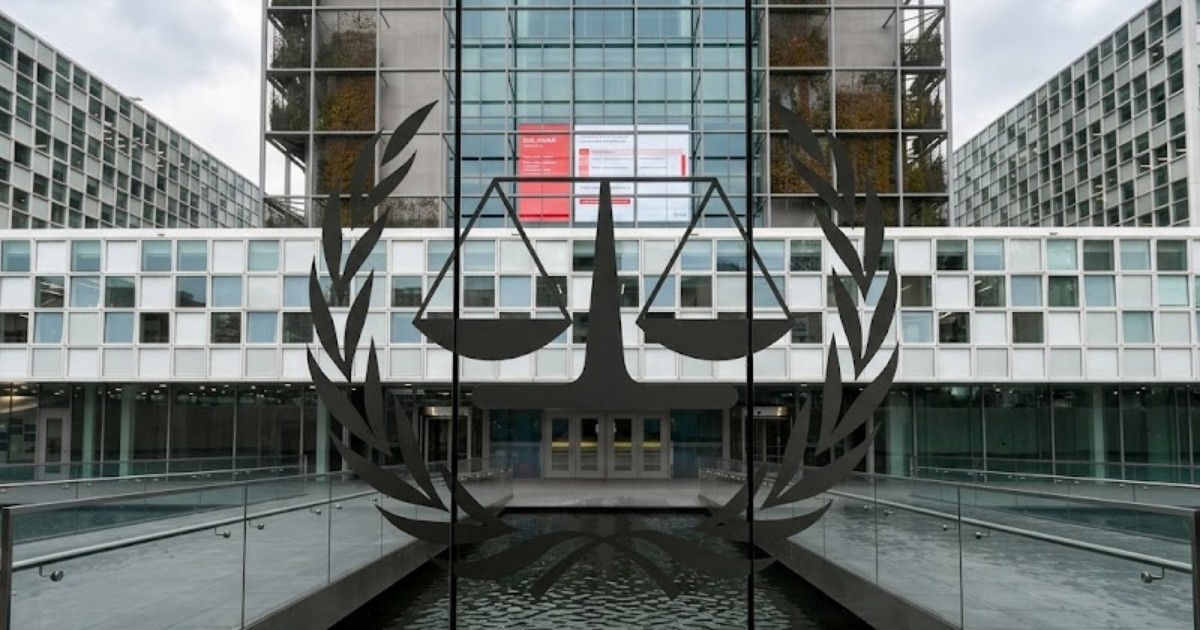
The International Criminal Court is facing an existential threat from the United States, but it is the inaction of its member states that could ultimately destroy the institution, according to an analysis published by Al Jazeera and supported by background reports from Reuters and BBC News. As Washington intensifies its campaign to dismantle the court, international legal analysts warn that the silence of the ICC`s purported supporters remains its greatest vulnerability.
Mark Kersten, writing for Al Jazeera, highlighted that the underlying reason for Washington’s relentless efforts against the ICC is its insistence on wholesale impunity. With credible allegations of international crimes involving American citizens in various global conflicts, the US administration appears determined to shield its personnel from any international accountability. This aggressive posture has been a consistent theme among Republican officials since the administration of George W. Bush. From former national security adviser John Bolton to current Secretary of State Marco Rubio, American officials have remained fixated on subverting the court`s global authority.
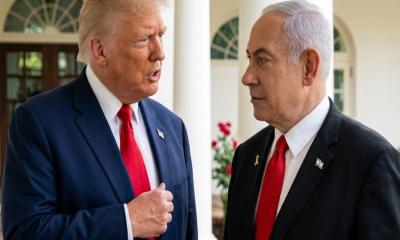
The diplomatic situation has escalated significantly in recent months. Following the ICC`s decision to issue arrest warrants for Israeli Prime Minister Benjamin Netanyahu over alleged war crimes in Gaza, the US leveled severe sanctions against the court`s staff. Rubio has explicitly threatened to dismantle the ICC brick by brick. These financial sanctions have had profound personal impacts, leaving international judges unable to use basic banking services, book hotels, or pay for meals with their credit cards.
To counter this aggressive offensive, the Al Jazeera analysis outlined four concrete actions for member states. First, ICC backers must double down on their cooperation with the court, ensuring the active enforcement of arrest warrants and the provision of vital evidence. Second, member states must encourage other nations to join the Rome Statute. Following the recent withdrawals of Venezuela and Chad—reportedly under direct pressure from Washington—bringing in new members like Lebanon could provide a critical counterbalance and expand the court`s jurisdiction over ongoing conflicts involving Israel and Hezbollah.
Third, the court urgently requires robust financial backing from its signatories. For the year 2026, the ICC operated on a budget of approximately 210 million dollars. This figure represents only a fraction of what the United States spends daily on its military operations. Observers argue that flexible and increased funding is absolutely essential to ensure accountability for atrocities across Palestine, Ukraine, and Darfur.
Fourth, member states must implement concrete legal protections for the sanctioned ICC staff. While both the European Union and Canada possess domestic legislation, such as Blocking Statutes and the Foreign Extraterritorial Measures Act, designed to nullify the impact of foreign sanctions, they have inexplicably refused to invoke them to protect the judges. Furthermore, European nations have failed to support the ICC judges in their legal battles within US courts. What remains unclear is whether these Western allies will eventually summon the political courage to shield the court`s judiciary from Washington`s financial weaponization.
Ultimately, experts agree that the Trump administration will not cease its attacks on the international judiciary. The US strategy is carefully calculated to isolate the institution and intimidate its backers into abandonment. However, analysts maintain that the ICC remains the only permanent global institution capable of holding the perpetrators of genocide and war crimes accountable. Defending the court is no longer just about preserving a single institution; it is about reinforcing the fundamental principle that no nation, regardless of its geopolitical power, is above international law.