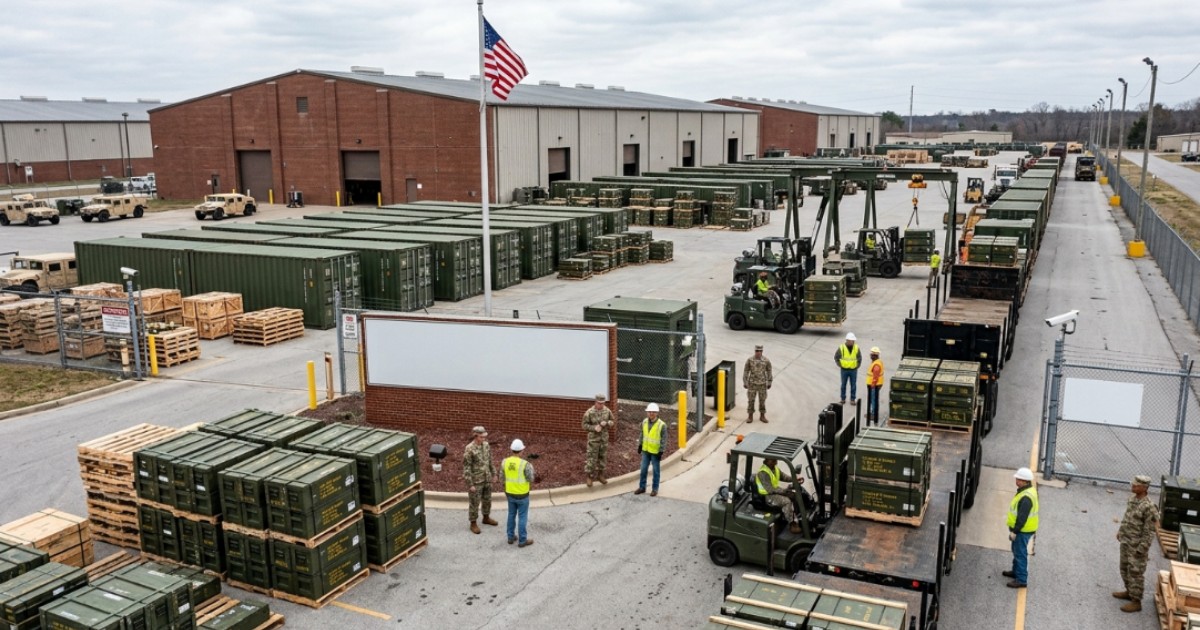
The Pentagon has formally called on the United States defense industry to significantly accelerate weapons production in order to replenish depleted stockpiles of advanced munitions, driven heavily by expenditures in the ongoing conflict with Iran, according to reports from Al Jazeera and the Associated Press.
Pentagon spokesman Sean Parnell stated that the department is actively focused on boosting munitions acquisitions to ensure frontline warfighters receive essential equipment at the pace demanded by current geopolitical threats. Parnell maintained that while recent efforts over the past week have drastically expedited administrative processes, the overarching directive aligns with a broader modernization initiative that predated the five-month-old military campaign.
Deputy Defense Secretary Steve Feinberg intensified the pressure on Wednesday by issuing a strict memorandum to major defense contractors, giving them a twenty-one-day window to submit detailed plans for aggressive delivery schedules and expanded manufacturing capacities. Feinberg emphasized that multi-year development cycles are completely unacceptable under current security conditions, demanding an immediate scaling up of critical military capabilities.
The urgent push comes as sustained combat operations against Iran have severely depleted American inventories of sophisticated missile interceptors. Defense experts warn that shrunken supplies of Patriot and THAAD interceptors could force US forces and their regional allies to adopt higher-risk postures to conserve air defense assets. Such constraints could result in fewer defensive launches against incoming regional threats, increasing vulnerability across allied bases.
President Donald Trump strongly pushed back against public reports highlighting a munitions deficit, utilizing social media to deny that the United States faces any strategic disadvantage after five months of active warfare. Trump insisted that the nation maintains massive stores of varied munitions, pointing to expanding domestic manufacturing plants and robust supply chains currently being established across the country.
Despite the administration`s assurances, friction remains high in Washington as a major defense spending bill remains stalled in Congress. Lawmakers have expressed deep reservations over military expenditures and the White House request to elevate Pentagon funding to one point five trillion dollars. Defense analysts caution that even with immediate legislative approval and massive funding injections, restoring key interceptor inventories to pre-conflict levels will likely require at least three years of sustained industrial effort.