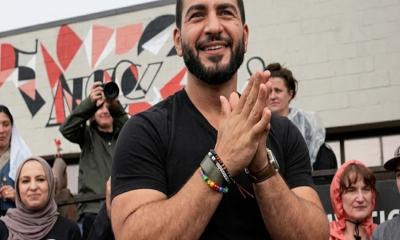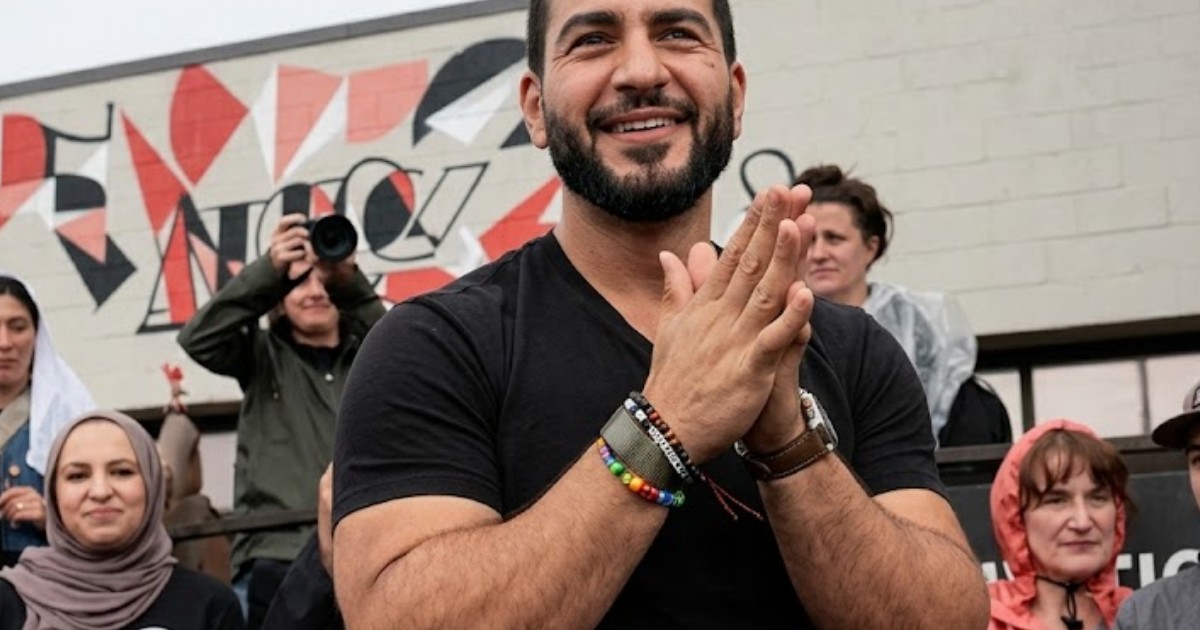
The early August victory of progressive candidate Abdul El-Sayed over Haley Stevens in the Michigan Democratic primary for the US Senate marks a pivotal and revealing moment in American politics, according to extensive reports from Reuters and Al Jazeera. By soundly defeating a well-funded candidate backed heavily by the established Democratic apparatus, the progressive challenger publicly exposed the rapidly escalating and highly visible rift within the Democratic Party over unconditional financial and military support for Israel. A detailed analytical report published by Al Jazeera argues that this shifting political landscape offers a rare and unprecedented strategic opportunity for Palestinians to advance their fundamental right to self-determination. For several decades, senior Israeli policymakers comfortably assumed that unquestioned bipartisan support in Washington would permanently underwrite their strategic geopolitical goals, regardless of which presidential administration occupied the Oval Office.
That comfortable diplomatic assumption is now actively eroding across multiple crucial demographics. According to a comprehensive national survey released by the Pew Research Center in April 2026, approximately 60 percent of adult citizens in the United States currently hold a broadly unfavorable view of Israel. This negative perception is particularly pronounced among younger generations of Americans, signaling a deep structural shift in long-term public opinion. These striking statistics clearly demonstrate that longstanding political axioms regarding unwavering American support for Israeli military policies are becoming increasingly fragile. This significant demographic shift is also highly evident within traditionally reliable pro-Israel constituencies across the country. A separate public opinion poll conducted by J Street in March 2026 found that an overwhelming 70 percent of American Jews now actively oppose providing unconditional military and financial assistance to the Israeli government.
The growing political skepticism is not strictly confined to liberal voters or progressive civil rights activists. Even among conservative Republicans and evangelical Christians, who have historically represented the strongest ideological pillars of the United States and Israeli alliance, negative views regarding aggressive Israeli policies are steadily growing. Within certain influential factions of the Republican Party, there is a growing recognition that providing unconditional geopolitical cover for Israel might actually be detrimental to American national interests. Prominent conservative figures increasingly attribute the perceived foreign policy failures of the ongoing regional conflict involving Iran directly to Israeli military decisions. What remains unclear is whether this rising skepticism on the American political right stems from genuine, principled support for Palestinian human rights or merely from a rising isolationist opposition to perceived foreign influence over domestic policy.
While the ultimate future trajectory of Democratic politics remains highly uncertain in a polarized environment, it has become increasingly difficult to imagine a future Democratic presidential nominee adopting a less critical approach to Israeli policy than previous generations of party leadership. Progressive candidates like Abdul El-Sayed entering mainstream political institutions are actively forcing the Democratic Party establishment to completely rethink its foreign policy platform. Congressional initiatives, including newly proposed federal legislation seeking to dramatically restrict or entirely end military assistance to Israel, demonstrate that critical debates once considered politically unthinkable have firmly entered the mainstream legislative discourse. This ongoing political fluidity creates a massive strategic opportunity for Palestinian advocacy groups to place the formal recognition of an independent Palestinian state directly at the center of future Democratic election campaigns.
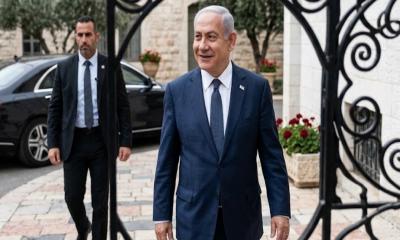
Israeli policymakers and senior military leaders are increasingly aware that automatic bipartisan American support can no longer be taken for granted in Washington. Leading opposition figures within the Israeli parliament have openly criticized Prime Minister Benjamin Netanyahu for directly contributing to the severe erosion of that historical consensus by aggressively aligning the country too closely with one specific partisan side of American politics. However, there is very little concrete evidence suggesting that Israel’s domestic political opposition has embraced a fundamentally different approach to the actual conflict. The previous coalition government, which was formed entirely without Netanyahu`s participation, pursued the exact same hardline policies that continued to systematically undermine Palestinian human rights, merely wrapping their aggressive actions in a slightly different diplomatic rhetoric meant to appease Western allies.
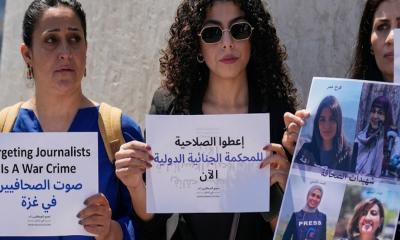
For the Palestinian leadership and the wider global diaspora, simply watching the changing dynamics of American politics will not automatically produce different material outcomes on the ground. According to the comprehensive Al Jazeera analysis, advocates urgently need to develop a highly coherent, disciplined, and unified diplomatic strategy for engaging directly with the United States government. This modern strategy must be built carefully around clear, actionable, and achievable policy objectives rather than broad historical aspirations. Palestinian advocates should consistently push for a comprehensive policy agenda that demands strict legal accountability under established international humanitarian law. This vital agenda includes prioritizing the immediate restoration of unhindered humanitarian access through the UN agency for Palestinian refugees, widely known as UNRWA, to effectively address the staggering humanitarian crisis across the besieged territories.
A central pillar of this new diplomatic strategy must involve demanding the strict enforcement of existing domestic American laws. Advocates are increasingly calling for the rigorous application of the Leahy Laws, which explicitly prohibit the United States government from providing direct military assistance to any foreign military units that are credibly suspected of committing gross violations of human rights. Furthermore, the massive physical reconstruction of the Gaza Strip and the immediate cessation of aggressive settlement policies that entrench a permanent military occupation must remain at the absolute forefront of any diplomatic engagement. Building sustainable political coalitions in Washington will inevitably require Palestinian advocates to occasionally accept partial legislative agreements on certain peripheral issues while remaining firmly and uncompromisingly anchored in their core fundamental principles of justice and human rights.
The Palestinian diplomatic movement must not limit its outreach solely to the progressive wing of the Democratic Party. Engaging successfully with conservative constituencies requires a completely different tactical and linguistic approach. Discussions regarding Palestinian civil rights with Republican lawmakers can be effectively introduced through the conservative language of fiscal responsibility, long-term regional stability, and the strict protection of American national security interests. Conversations with influential evangelical Christian communities require direct engagement with theology itself, challenging exclusive biblical claims to the land through the voices of prominent Palestinian Christian leaders like Bethlehem-based Pastor Munther Isaac. Finally, Palestinians must effectively coordinate their efforts with powerful Gulf actors, particularly Saudi Arabia, to ensure that any future regional diplomatic normalization with Israel remains strictly contingent upon the immediate recognition of Palestinian statehood and the total end of the military occupation.