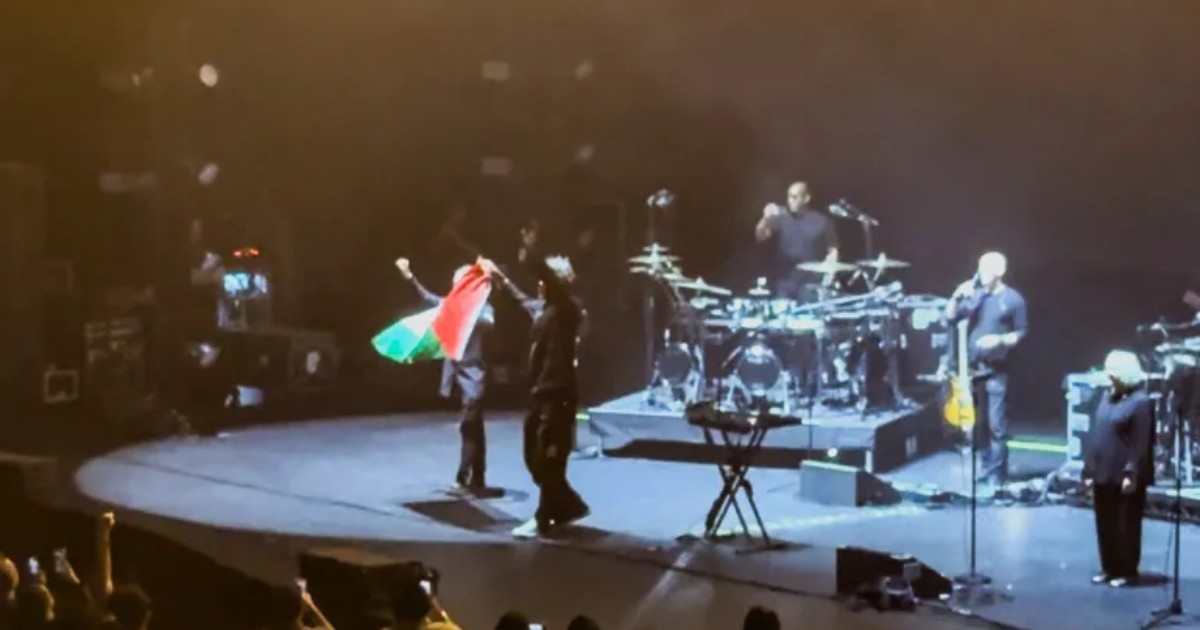
Members of the British trip-hop band Massive Attack were detained and interrogated by police in Singapore following a concert last week where a Palestinian flag was unfurled on stage, according to Al Jazeera and Reuters. In a statement published on social media on Monday, the musical group confirmed that they were held and questioned after performing at the Star Theatre on July 29, drawing widespread international attention.
During the live performance, band members Robert Del Naja and Grant Marshall displayed the Palestinian flag as large sections of the audience chanted slogans in support of Palestine. The band expressed surprise at the aggressive reaction from authorities, stating that they never imagined holding the flag of a sovereign state recognized by over one hundred and fifty countries would constitute a violation of local laws. They emphasized that they felt a strong moral obligation to express solidarity with the people of Palestine alongside their dedicated fans.
Following the concert, the entire band was isolated, separately questioned, subjected to hotel room searches, and had their passports temporarily confiscated by law enforcement officials. Singapore police stated that the band`s actions could potentially harm the racial and religious harmony of the country, where strict regulations prohibit displaying foreign flags, national emblems, or public banners without an official permit. Authorities subsequently issued stern warnings to two band members and barred them from re-entering Singapore.
The incident has sparked intense debate regarding freedom of expression and the boundaries of political speech during cultural events. Human rights advocates and fans around the world have criticized the harsh punitive measures taken against the artists for a peaceful demonstration of solidarity. What remains unclear is whether this strict enforcement will deter other international musicians from making similar public statements during future performances in the region.
As geopolitical tensions continue to influence cultural and artistic spaces globally, the case highlights the complex legal challenges artists face when addressing international humanitarian crises. Singaporean officials defended their actions by reiterating their commitment to maintaining strict public order and community harmony across all ethnic and religious groups. Meanwhile, Massive Attack remains steadfast in defending their impromptu expression of support, marking a significant moment where music and international politics collided on stage.
The ongoing diplomatic and public fallout reflects the increasing sensitivity surrounding Palestinian solidarity movements globally. Music and entertainment venues have frequently served as platforms for artists to voice humanitarian concerns, making such crackdowns particularly notable. Legal experts suggest that while nations reserve the right to enforce local assembly and emblem laws, the severity of detaining and barring established artists has amplified global scrutiny on Singapore`s regulatory framework. Fans and supporters continue to voice solidarity with Massive Attack across various digital platforms, ensuring that the message behind the controversial stage display remains in the spotlight.