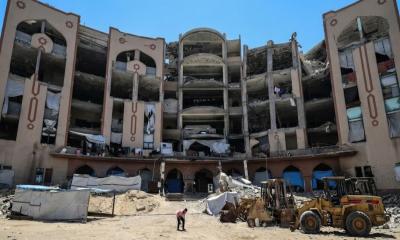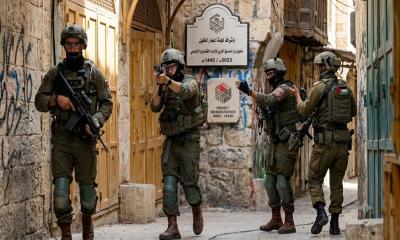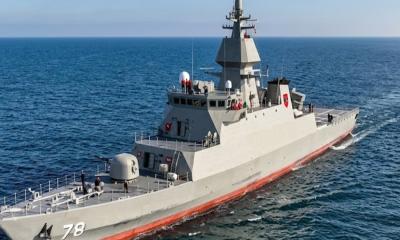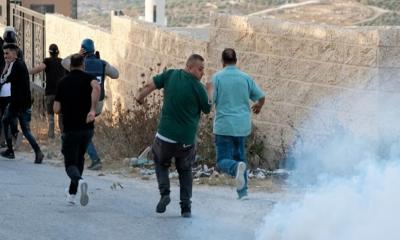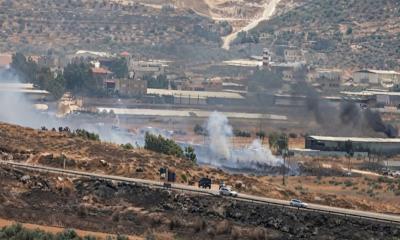
Following four years of fragile truce conditions, widespread military mobilization and escalating border clashes indicate that a full-scale resumption of the civil war in Yemen is becoming increasingly imminent, official military reports verified by Reuters and Al Jazeera showed. Recent missile and drone strikes targeting commercial vessels in the Red Sea, coupled with fatal ground engagements along the southwestern Dhale front, mark a transition from aggressive rhetoric to active military escalation. However, political analysts emphasize that structural changes within anti-Houthi coalitions over the past four years could present the rebel movement with unprecedented strategic challenges.
Since taking control of the capital, Sanaa, in September 2014, the Houthis have successfully preserved their territorial authority across the densely populated northwestern highlands. Over a decade of conflict, the group weathered military intervention from a Saudi-led international coalition, air campaigns by Western powers, and localized insurgencies. Internal fragmentation within the internationally recognized Yemeni government and conflicting agendas among regional coalition partners previously enabled the Houthis to maintain operational superiority across major frontlines.
The strategic landscape has shifted significantly following administrative realignments within the Yemeni government camp. The expulsion of auxiliary foreign contingents late last year allowed Saudi Arabia to assume primary operational coordination on the ground, working directly to consolidate previously fractured anti-Houthi factions. Senior fellows at the International Crisis Group noted that the Presidential Leadership Council currently operates with improved political cohesion and unified decision-making authority compared to earlier stages of the conflict.
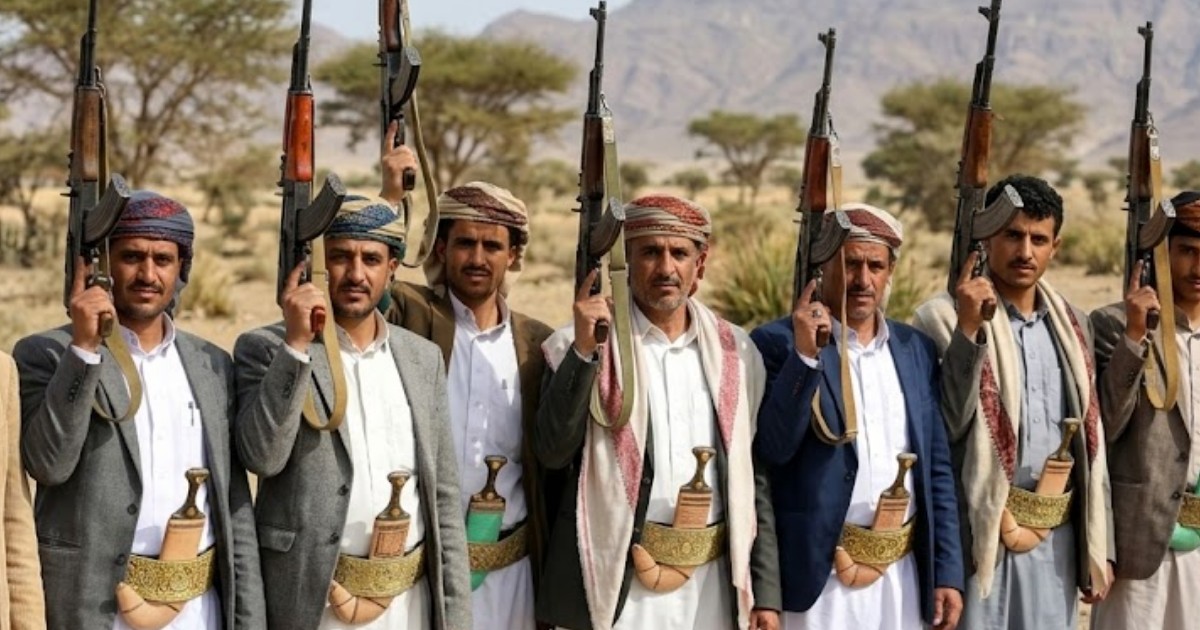
Concurrently, a major anti-Houthi tribal coalition has emerged in Al-Jawf province, situated east of Sanaa. Following the detention of prominent tribal figures by Houthi authorities, thousands of armed tribesmen convened publicly to reject rebel administration in the region. Military observers consider this unified tribal mobilization an unprecedented internal development, as the Houthis have not faced organized tribal resistance of this magnitude since the collapse of their alliance with former President Ali Abdullah Saleh nearly a decade ago.
International security concerns regarding maritime safety in the Bab al-Mandeb strait have further aligned external interests with the Yemeni government. Following recent naval attacks on commercial shipping, the United States executive administration issued warnings indicating that future proxy actions would draw direct military consequences for regional sponsors. Continued disruptions along critical shipping lanes are accelerating the formation of regional maritime security agreements designed to protect international supply chains.
The Houthi movement retains substantial military assets, including an estimated 200,000 active personnel, extensive subterranean fortifications, and a large inventory of ballistics and uncrewed aerial vehicles. What remains unclear is whether the improved political cohesion among government forces can translate into sustained multi-front ground offensives capable of altering the territorial status quo. Military experts emphasize that converting strategic coordination into battlefield gains requires sustained external logistics and unified operational command across disparate regional fronts.
As military units deploy to strategic positions surrounding key urban centers, civilian populations across northern Yemen face renewed displacement risks and worsening humanitarian conditions. International diplomatic envoys continue to urge all combatants to exercise restraint, warning that a return to full-scale hostilities will destabilize broader regional security and disrupt vital global trade routes.