Human bone density begins a natural decline earlier in life than most people realize, making proactive dietary choices critical for preventing severe skeletal fragility, according to medical reports from BBC Health and the Bone Health & Osteoporosis Foundation. Health experts emphasize that while childhood drinking habits focused heavily on milk, maintaining long-term skeletal strength in adulthood requires a far broader spectrum of essential nutrients. Worldwide, more than 500 million individuals suffer from osteoporosis, a condition that thins and weakens bones until sudden fractures occur without prior warning symptoms.
Medical research indicates that peak bone mass is achieved during early adulthood, establishing a structural reserve that dictates skeletal durability for subsequent decades. After reaching this threshold, natural bone loss gradually accelerates, often remaining asymptomatic until a major traumatic event happens. Hip fractures present particularly severe outcomes for individuals over age 60, frequently triggering secondary complications such as cardiovascular distress or pneumonia. While postmenopausal women face heightened vulnerability due to hormonal shifts, aging men also represent a substantial proportion of osteoporosis cases globally.
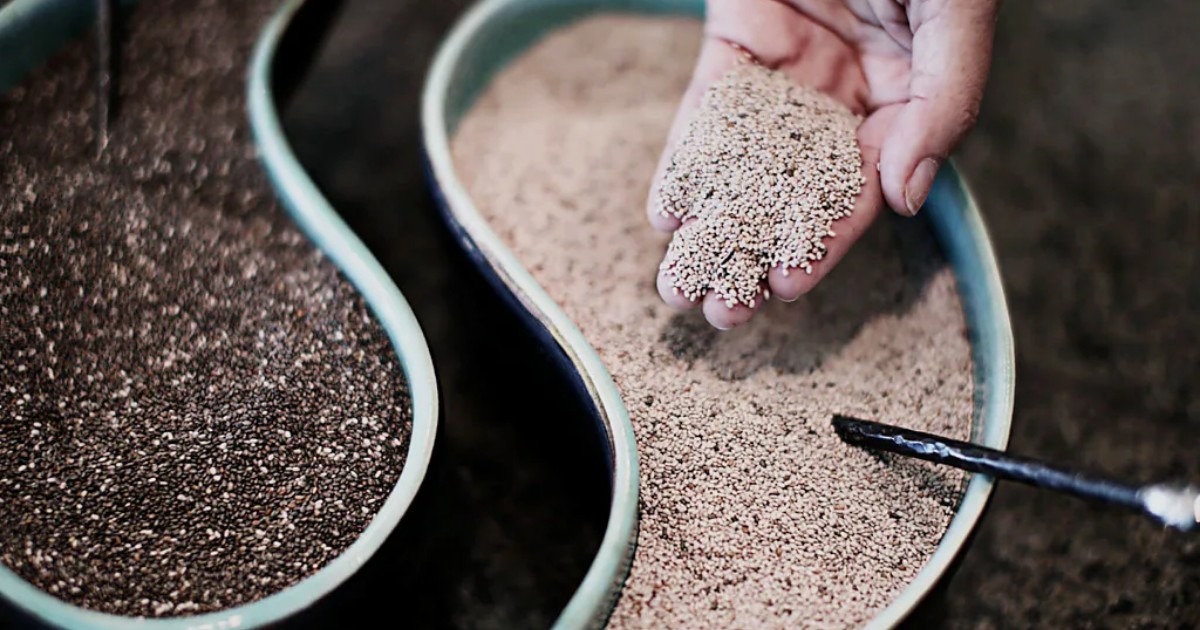
Nutritional science confirms that safeguarding bone density relies on a combination of calcium, protein, vitamin D, magnesium, and phosphorus. Non-dairy sources such as tofu, edamame, and fermented tempeh offer significant amounts of bioavailable calcium alongside beneficial plant compounds. Chia seeds and sesame seeds provide high concentrations of essential minerals and omega-3 fatty acids, which actively suppress chronic internal inflammation. Furthermore, tinned oily fish like sardines and salmon supply both vital calcium from soft bones and natural vitamin D necessary for intestinal mineral absorption.
Dried fruits including figs, apricots, and prunes contain polyphenols and trace minerals that slow down systemic bone breakdown. Controlled clinical trials demonstrate that daily consumption of nutrient-dense fruits correlates with improved bone mineral density in older adults. What remains unclear is the exact threshold at which dietary interventions alone can fully offset genetic predispositions to rapid bone density loss without structured resistance exercise. Specialists maintain that muscle strength and bone integrity operate as an interconnected system where physical impact encourages mineral retention.
Regarding dietary supplements, clinical researchers urge caution against excessive self-medication without professional oversight. While calcium and vitamin D supplements benefit individuals with diagnosed deficiencies or limited sun exposure, megadoses can counterproductively elevate falling risks or disrupt hormonal balance. Vegans and individuals following strict plant-based diets are advised to monitor their micronutrient intake carefully or utilize fortified foods to meet daily recommended allowances.
Ultimately, medical authorities stress that maintaining lifelong bone health requires an integrated approach built on a balanced diet, regular weight-bearing exercise, and sensible sun exposure. Incorporating a diverse array of nutrient-rich foods early in life builds the necessary skeletal reserves to prevent debilitating fractures during older age.