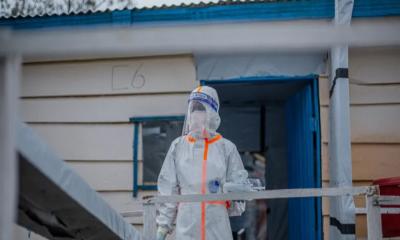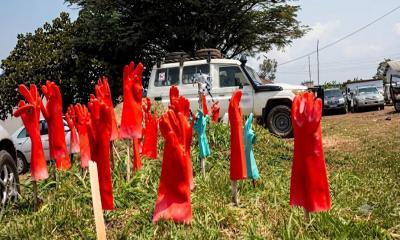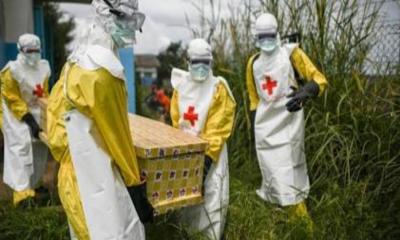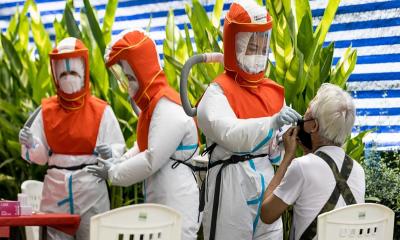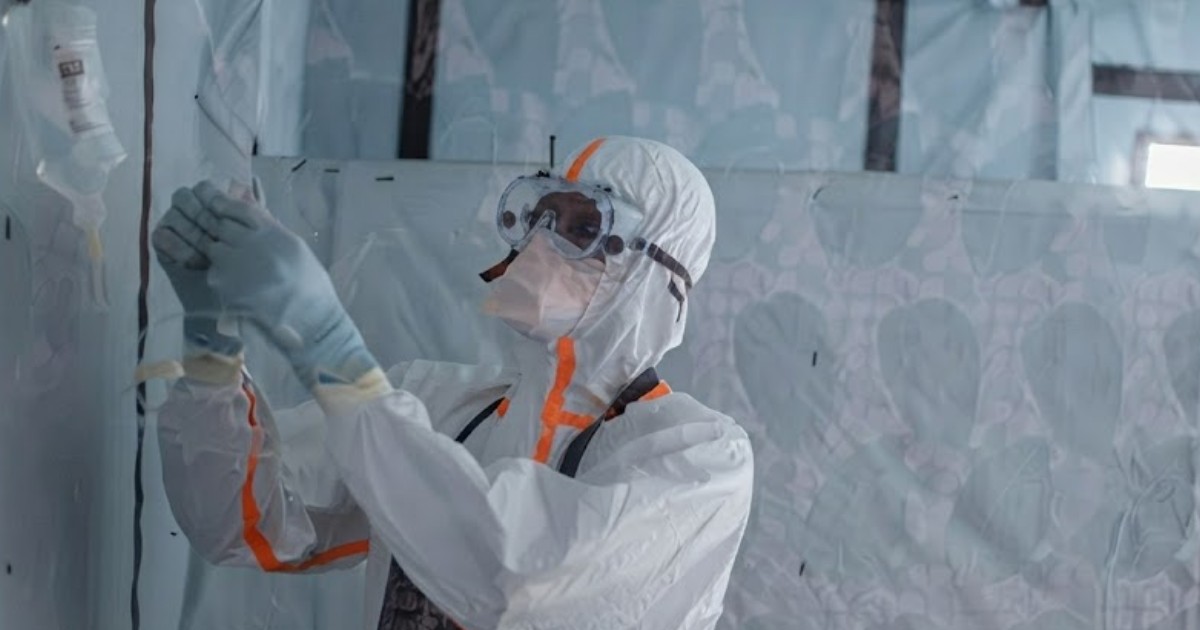
Nearly one thousand people have died from Ebola in the Democratic Republic of the Congo, marking a grim milestone in an accelerating health crisis that has put authorities on high alert. The country’s health ministry confirmed the staggering death toll on Wednesday as international wire services, including AFP, AP, and Reuters, reported on the rapid escalation of the epidemic. The ongoing outbreak has triggered widespread international concern as medical teams struggle to contain the highly infectious virus across vulnerable communities.
According to the National Institute of Public Health in the DRC, nine hundred and ninety-nine deaths have now been officially confirmed since the outbreak of the Bundibugyo strain began back in May. In addition to the fatalities recorded within Congolese borders, the World Health Organization has reported two deaths resulting from the same strain in neighboring Uganda. This cross-border transmission has intensified fears that the outbreak could spiral further out of control across the wider East and Central African region.
The DRC Health Ministry stated that as of recent updates, two thousand four hundred and seventy-three total cases have been documented in this latest wave of the disease. At least seven hundred and thirty-seven patients are currently receiving specialized care in isolation wards and designated treatment centers across the affected provinces. The outbreak was officially declared on May fifteenth after multiple fatalities emerged in the northeastern province of Ituri, which remains the primary epicenter of the current crisis.
Health experts have noted that this particular outbreak has claimed lives at a significantly faster rate than any previous Ebola emergency on record. Public health officials frequently draw comparisons to the catastrophic two thousand thirteen through two thousand sixteen West African outbreak, which ultimately claimed over eleven thousand lives out of at least twenty-eight thousand recorded cases. However, medical historians point out that the current epidemic has reached the one-thousand-death threshold in a much shorter timeframe than that historic crisis.
Last week, World Health Organization Director-General Tedros Adhanom Ghebreyesus issued a stern warning, stating that the current outbreak had expanded at an unprecedented pace over the preceding month. Ebola is known to spread rapidly through close personal contact and infected bodily fluids, making containment exceptionally difficult in densely populated or conflict-affected zones. Cases have already been detected in several other Congolese provinces outside of Ituri, compounding the operational challenges faced by frontline medical responders.
Compounding the emergency, healthcare workers at key treatment facilities have recently staged strikes over working conditions and delayed compensation, threatening to paralyze vital response efforts. International agencies are actively coordinating with local authorities to address these grievances and restore full operational capacity at treatment centers. Meanwhile, public health campaigns are being intensified to educate local residents on preventative measures, safe burial practices, and the critical importance of early medical intervention.