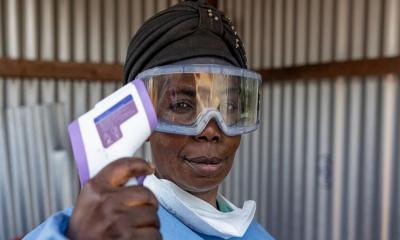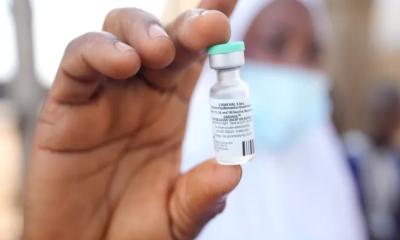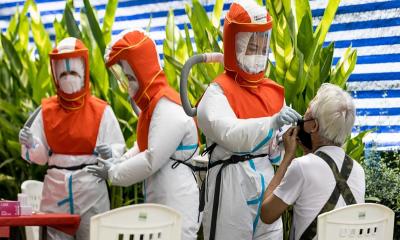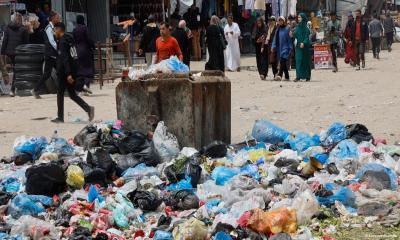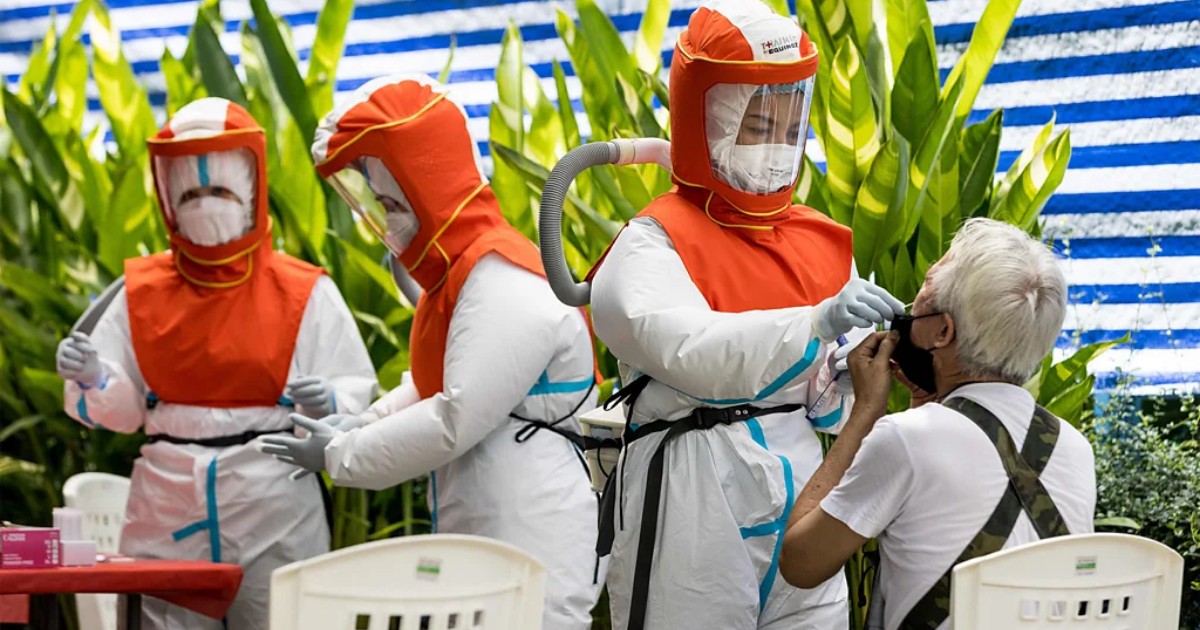
Frequent disease outbreak news can trigger profound changes in human psychology by activating the behavioral immune system, BBC News reported on Saturday. As headlines consistently cover the spread of viruses like Ebola in the Democratic Republic of Congo or emerging global cases of hantavirus, the mere suggestion of illness heavily influences public behavior. While the vast majority of people reading these reports will never come into direct contact with such pathogens, the psychological exposure alone is enough to shift their societal attitudes. These deeply ingrained psychological responses often lead individuals to become more risk-averse, highly conformist, and occasionally less tolerant of those outside their immediate social circles.
The concept of the behavioral immune system was originally detailed by Mark Schaller, a prominent researcher at the University of British Columbia, to explain how humans evolved psychological mechanisms to proactively avoid infection. When a physical pathogen enters the body, the biological immune system deploys massive amounts of cellular energy to fight it off using macrophages and specialized antibodies. Because this biological battle is incredibly exhausting for the body, humans developed proactive mental defenses to prevent contact with diseases in the first place. The most fundamental mechanism of this system is the primal emotion of disgust, which naturally drives humans away from foul-smelling or rotting materials. Beyond physical revulsion, this behavioral system subtly enforces strict adherence to social norms during times of widespread health crises.
Experimental behavioral studies demonstrate that simple visual reminders of disease can make people significantly more conformist in their daily lives. In one psychological study conducted by scientists at the University of Hong Kong, participating students were asked to evaluate modern art after being exposed to varying types of distressing images. Those who viewed graphic images of open wounds and infections were far more likely to abandon their independent opinions and simply follow the collective rating of the group. Conversely, participants who viewed distressing images of traffic accidents did not exhibit the same level of conformity. Additional academic research from Aarhus University in Denmark indicates that the fear of contamination can heavily decrease trust in outsiders, leading people to unconsciously associate immigrants or unfamiliar demographic groups with the imminent threat of disease.
Real-world statistical data collected during the early months of the global coronavirus pandemic further supports these controlled laboratory findings. A comprehensive survey of Italian citizens conducted in early 2020 by Giulia Fuochi and her scientific colleagues at the University of Padova revealed a significant correlation between the fear of the virus and increased distrust of minority communities. What remains unclear is whether these psychological shifts permanently alter social dynamics or if they naturally fade as the immediate threat of a disease subsides. Human behavior is ultimately shaped by a complex web of individual factors, including personal education, professional background, and deeply ingrained cultural traditions.
The intensity of the behavioral immune system also varies dramatically from person to person based on inherent personality traits. Some individuals naturally harbor a greater fear of disease, which causes them to react much more strongly to news cues about viral outbreaks. Other people remain largely unswayed by the constant influx of alarming health headlines. Recognizing the subtle psychological influence of this evolutionary mechanism is crucial for the modern public, as the unconscious fear of infection can sometimes manifest as unwarranted xenophobia or overly harsh moral judgments against perceived rule-breakers.