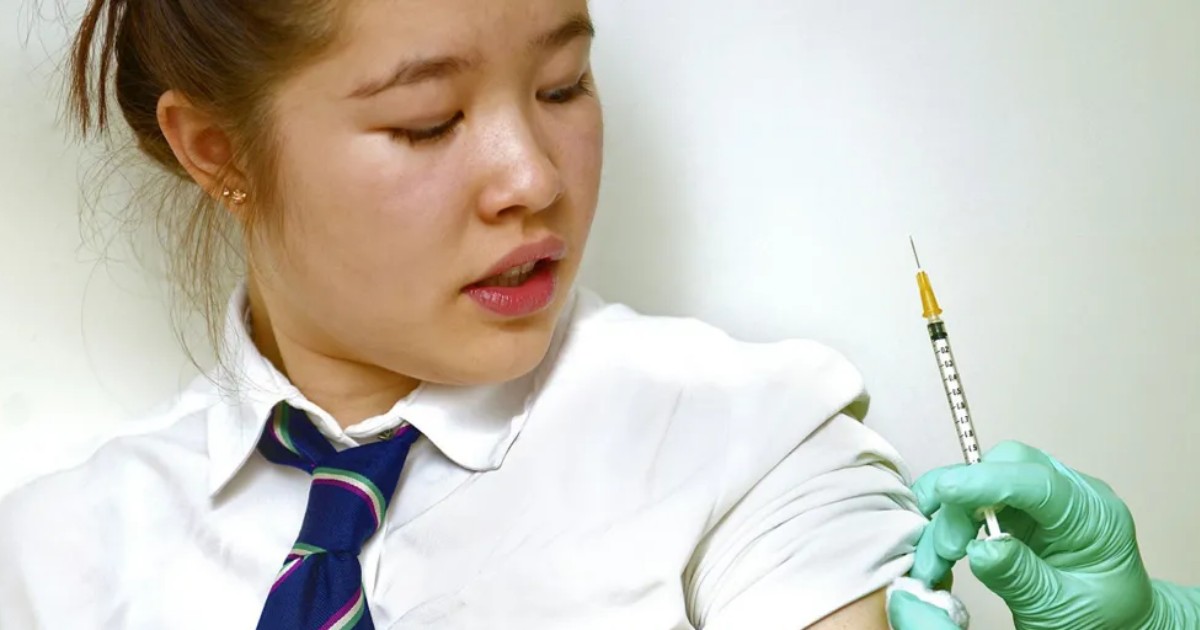
Children vaccinated at ages 12 to 13 against the human papillomavirus have close to zero risk of dying from cervical cancer before the age of 30, a landmark study by Queen Mary University of London revealed, according to BBC News. This first-of-its-kind research demonstrates that mortality rates have fallen sharply since school-age girls began receiving the shot in 2008. Medical experts noted that the immunization program has saved around 200 lives in England so far. Between 2020 and 2024, no cervical cancer deaths were recorded among women aged 20 to 24, marking the first time this has happened over a five-year period in British history. Statistical models suggest that without the vaccination campaign, at least 23 deaths would have been expected within that specific age bracket.
Professor Peter Sasieni, the lead researcher from Queen Mary University of London, stated that the reality of a single injection almost eliminating a specific type of cancer represents an incredible milestone in public health. Overall, cervical cancer remains the 14th most common cancer among females in the United Kingdom, with approximately 3,300 women diagnosed with the disease every year. The human papillomavirus, which spreads through close skin-to-skin contact, is believed to cause 99% of those cases. While most of these viral infections clear up naturally without causing any long-term medical problems, certain high-risk strains cause abnormal cellular changes that can lead to invasive malignancies decades later.
The authors of the report expect the number of fatalities resulting from the disease to continue a downward trajectory as expanded cohorts receive the shot and vaccinated individuals grow older. What remains unclear is whether the long-term success of the campaign could be jeopardized by recent drops in public participation across various regions. Cancer Research UK, which funded the extensive study, celebrated the findings but warned that local immunization metrics are currently lagging behind recommended international benchmarks. Michelle Mitchell, the chief executive of the organization, emphasized that the data provides definitive proof that the preventive treatment saves lives before the disease can even begin.
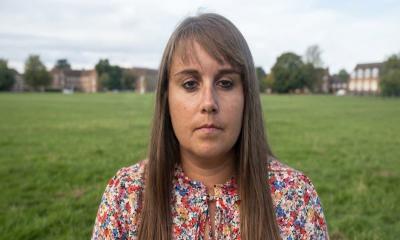
Illustrating the personal toll of missing the immunization window, a survivor named Alexandra Legg shared that she finished school just before the program launched in England. In 2021, at the age of 30, she was diagnosed with cervical cancer right as she was organizing her wedding. Although her complex surgical treatment required the removal of multiple lymph nodes in her abdomen, medical specialists managed to preserve a portion of her cervix, allowing her to later give birth to her daughter, Ivy. Legg has become a vocal advocate for public immunization, stating that her child will be at the front of the line for the shot when she reaches the eligible age.
Data published by the UK Health Security Agency indicates that only 76% of girls in England had received the immunization by the age of 15 during the 2024-25 tracking period. This current coverage level falls significantly short of the 90% threshold established by the World Health Organization as the minimum required to fully eliminate cervical cancer as a public health threat. Health officials have urged the government to take targeted action to address low participation rates within marginalized communities. While the British government has pledged to eliminate the disease by 2040, researchers warn that maintaining high vaccine uptake is vital to ensure that future generations remain completely protected from the preventable illness.