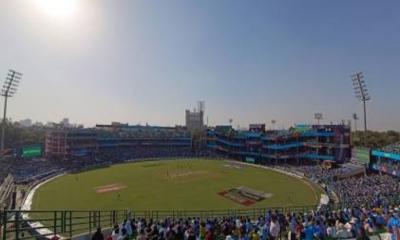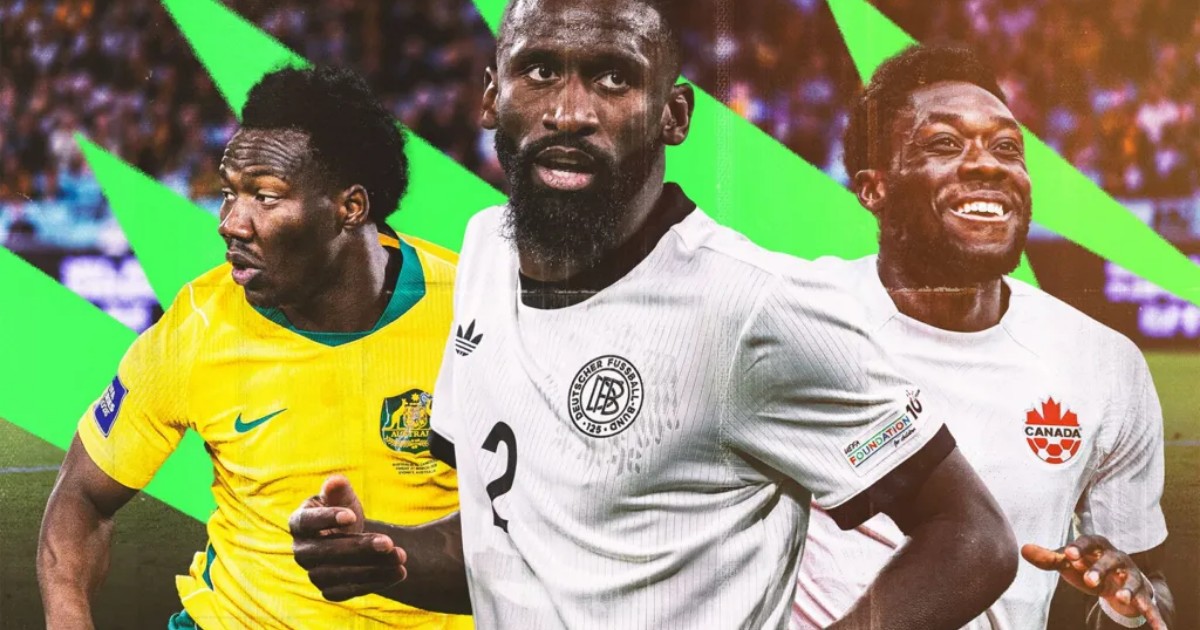
The German national football team secured a dominant 7-1 victory against Curacao at the Houston Stadium during their opening match of the 2026 World Cup, BBC News confirmed from the United States. For veteran defender Antonio Rudiger, who entered the match as a second-half substitute, the high-stakes sporting event carried a profound personal significance. The 33-year-old Real Madrid star revealed that his life would have been vastly different if his parents had not successfully fled Sierra Leone`s decade-long civil war to seek a new beginning in Europe. Rudiger detailed how his family undertook a perilous 210-mile journey from their home district of Kono to the capital city of Freetown in a desperate bid to find safety from advancing rebel forces.
During that dangerous escape, Rudiger`s uncle had to take extreme measures to prevent the young children from being abducted by rebel groups and turned into child soldiers. The family frequently had to lay low and pretend to be dead to avoid being targeted by active gunfire along the road. Rudiger, the youngest of six siblings, was eventually born in Berlin after the German government officially accepted his family as political refugees. Reflecting on his childhood spent in a crowded local refugee center, the champion athlete emphasized that growing up under such challenging conditions taught him the value of sacrifice and relentless hard work. Today, his extended family members are scattered across the United Kingdom and the United States, watching his global success with immense pride.
In a tournament where diaspora athletes are significantly impacting global sports culture, Rudiger stressed that now is the perfect time to raise a collective voice for displaced populations worldwide. He is joined in this advocacy by Canada national team captain Alphonso Davies, who spent his earliest years inside a Ghanaian refugee camp. Davies` parents had previously fled the devastating civil war in Liberia during the late 1990s before being welcomed by Canadian authorities. The Bayern Munich full-back told the United Nations Refugee Agency that his adoptive country gave him the opportunity to attend school, play his favorite sport, and build a meaningful life. The global agency has highlighted Davies as part of a symbolic team designed to showcase what displaced youths can accomplish when granted safety.
What remains unclear is whether international sports governing bodies will implement more permanent support frameworks for displaced young athletes facing systemic athletic barriers globally. Other prominent World Cup competitors, including Australia`s rising talent Nestory Irankunda, share similar ancestral links to African refugee flights, highlighting a broader demographic shift in international soccer. Sports analysts observe that these narratives extend far beyond physical achievements on the pitch, serving as powerful symbols of human resilience for millions of displaced people globally. As the tournament progresses in North America, these elite athletes continue to redefine modern sports by transforming their historical traumas into a source of global inspiration.