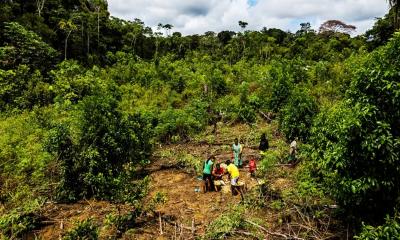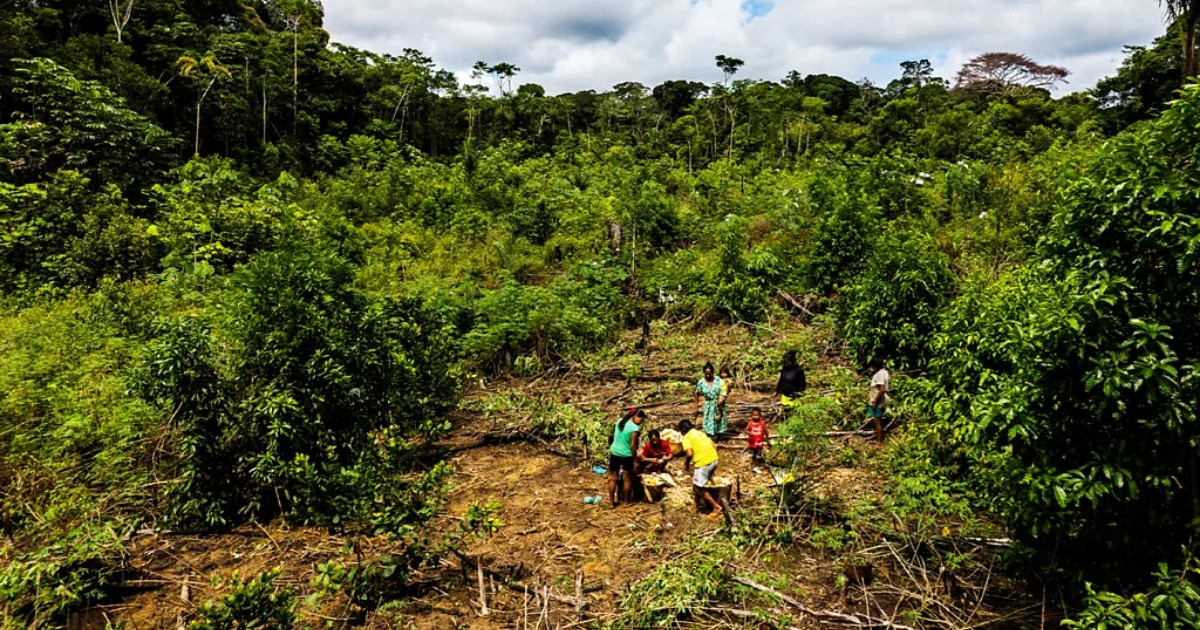
Indigenous communities in the Colombian Amazon utilized their ancient 4,500-year-old Chagra farming system on Thursday to produce sustainable food without the use of chemical pesticides, BBC News reported. Deep within the vast macro-territory of Jaguares del Yurupari, approximately 240 native families rely entirely on these small plots as their primary source of daily sustenance. Each farming plot is strictly limited to a maximum size of two hectares to protect the surrounding rainforest from long-term ecological degradation. Unlike conventional modern intensive agriculture, this traditional system functions in perfect synchronization with the natural flood, fruit, and hunting cycles of the Amazonian ecosystem.
Juan Felipe Guhl, a prominent anthropologist and socio-environmental expert at the Sinchi Institute in Colombia, stated that every single seed planted within the Chagra holds a deep mythological and technological purpose. Local indigenous farmer Kelly Johanna Yucuna manages her family plots in the Miriti-Parana reservation by utilizing ancestral knowledge passed down through generations. Before any clearing begins, community elders hold sacred rituals to request permission from the spiritual guardians of the forest to transform the land. This collective clearing phase, known locally as the socola y tumba, unites the entire village as they carefully remove small undergrowth using axes and machetes.
Academic research indicates that these indigenous farmers consciously retain up to half of the native tree species within their active agricultural plots, fostering significantly higher biodiversity than modern monoculture plantations. After five or six years of continuous cultivation, the plots are systematically returned to the rainforest, allowing secondary forests to reclaim the soil naturally. Environmental studies have proven that Chagra systems sequester atmospheric carbon at levels comparable to untouched natural forests, offering a viable model for climate change mitigation. What remains unclear is whether these sustainable ancient traditions can survive the intensifying pressures of modern deforestation, illegal mining, and regional drug trafficking networks.
Cassava, known locally as yuca, serves as the undeniable staple food across the northern Amazon, with indigenous groups cultivating up to 67 distinct wild and sweet varieties. Indigenous women maintain a deep, almost filial relationship with the yuca plants, viewing them as central to the spiritual and physical survival of the community. In the heart of the plot, yuca is always planted alongside coca leaves, representing the sacred balance between female and male cosmic energies. Marcia Chapeton, an anthropologist working with the non-profit group Gaia Amazonas, noted that researchers have documented over 104 different plant species, including pineapples, yams, and medicinal herbs, acting as protective barriers around the fields.
Independent geographer Cesar Echezuria Fernandez, who studies similar systems in Ecuador under the name chakras, emphasized that the wider world has much to learn from this zero-pesticide approach to food security. Native mothers routinely bring their children to the fields to pass down the intricate origin stories of each plant, ensuring the preservation of their environmental heritage. As global agricultural systems face severe disruptions due to climate change in 2026, preserving the Chagra system represents a vital step toward sustainable global food production. International environmental advocates argue that safeguarding indigenous land rights is paramount to protecting this invaluable ancient wisdom from permanent erasure.