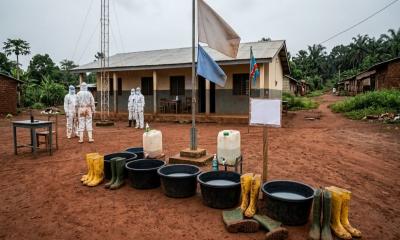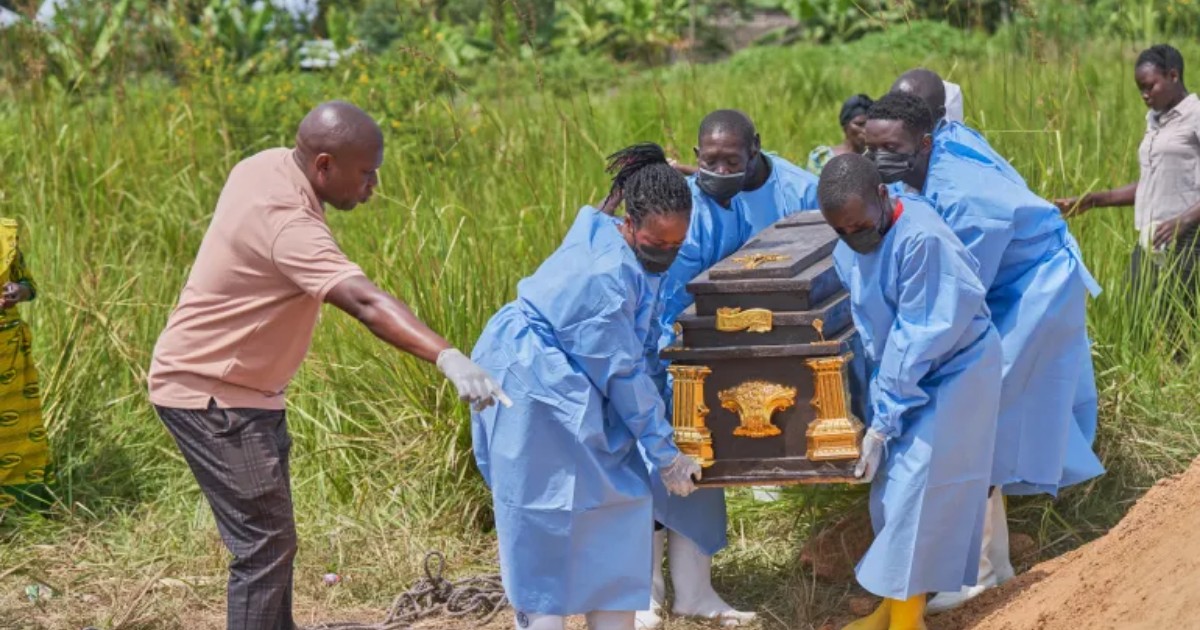
The Democratic Republic of the Congo (DRC) is facing an accelerating Ebola crisis, with health authorities reporting a record single-day increase in infections. According to the Ministry of Public Health, 72 new cases were diagnosed within the last 24 hours, bringing the total number of confirmed infections to 782. The death toll from the virus has climbed to 181, highlighting the severity of the current epidemiological situation in the region.
This outbreak is driven by the rare Bundibugyo strain, which poses unique challenges as there is currently no approved vaccine or specific treatment for this variant, unlike the Zaire strain associated with previous outbreaks in the country. Official data indicates a case fatality rate of approximately 22.8 percent. While 40 patients have recovered, the rising number of active infections remains a primary concern for local and international health agencies.
Eastern Ituri province serves as the current epicentre of the outbreak, accounting for nearly 95 percent of all confirmed cases. The virus has subsequently spread into North Kivu and South Kivu provinces and has crossed international borders into Uganda. Health Ministry officials expressed deep concern over the decline in contact tracing coverage, which has dropped to 56.5 percent—a significant shortfall compared to the 95 percent target required to effectively contain the transmission chains.
The response is further complicated by persistent armed conflict and humanitarian instability in the region. The presence of multiple rebel groups, including the M23 movement, has hindered the mobility of medical teams and surveillance efforts. Many transmission hotspots are located in mineral-rich mining areas where artisanal miners frequently move between clandestine sites. This constant movement makes it difficult for authorities to track contacts and isolate suspected cases effectively.
Doctors Without Borders (MSF) has warned that the true scale of the outbreak remains obscured by critical gaps in surveillance and diagnostic testing. The humanitarian organization highlighted a funding deficit of $21.5 million, which is severely limiting the capacity of response teams to scale up essential services. Jean Kaseya, director general of the Africa Centres for Disease Control and Prevention, has called upon international partners to urgently mobilize resources to strengthen the response efforts and prevent further loss of life.
The World Health Organization is currently ramping up diagnostic testing and contact surveillance operations in affected zones. However, deep-seated mistrust among local populations toward medical personnel, combined with the security threats posed by overlapping armed conflicts, continues to undermine containment strategies. As the death toll rises, experts emphasize that stabilization of the region and increased financial support are essential to curbing the spread of this rare but lethal viral strain.