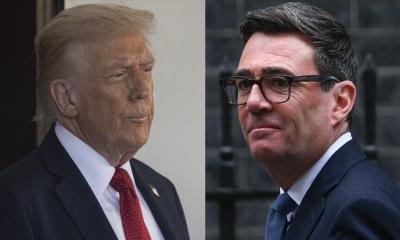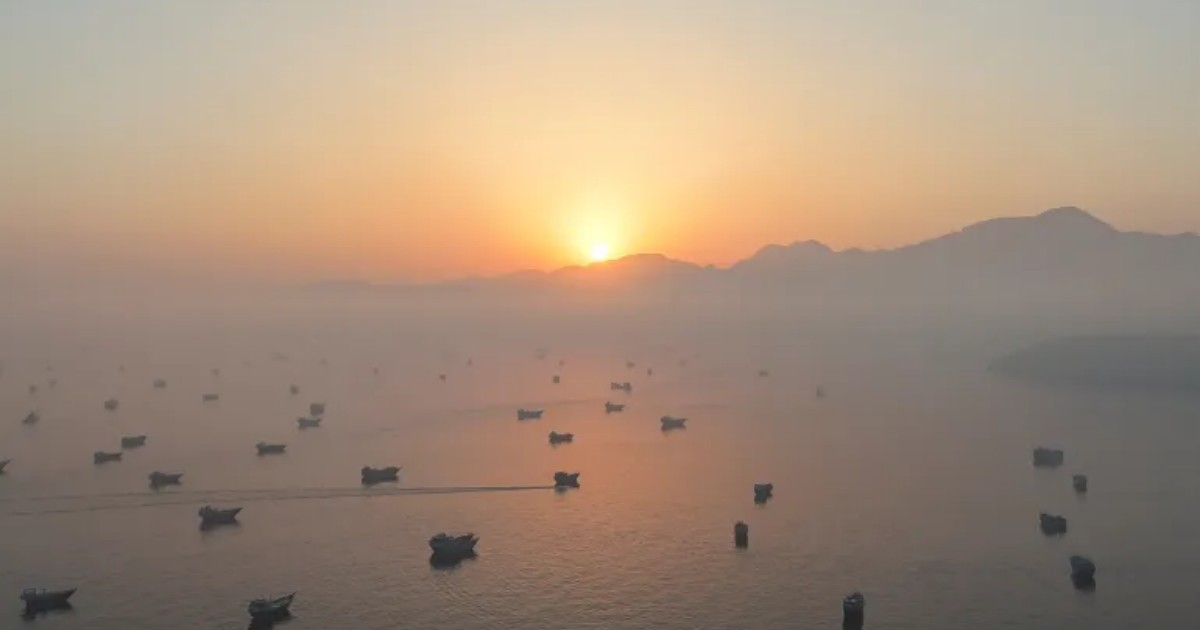
United States President Donald Trump stated on Monday that vessels are beginning to transit through the Strait of Hormuz, marking a significant development following the announcement of a tentative peace deal between the US and Iran, Reuters reported. The maritime corridor, which has been effectively paralyzed by the recent conflict, serves as a critical artery for global energy markets. In his remarks, President Trump asserted that many ships, heavily laden with oil, are now successfully departing through the strait, following a route he described as secure and pristine.
While the president’s optimistic assessment signals a potential shift in regional tensions, maritime security experts have offered a more cautious outlook regarding the operational status of the waterway. Shipping and maritime security sources told Reuters that mine-sweeping operations are expected to continue for another 40 to 50 days before the area can be deemed fully safe for transit. Many international insurance companies and shipping firms have expressed reservations, indicating they may withhold approval for passage until rigorous clearance protocols are completed. Despite these concerns, some operators have begun preparations to resume transit ahead of official safety certifications.
The International Chamber of Shipping has estimated that approximately 500 vessels are currently queued to pass through the strait, with an estimated 20,000 crew members stranded amidst the deadlock. Trump indicated that he intends to discuss de-mining strategies during the upcoming G7 Summit in France, suggesting that the United States is prioritizing the stabilization of this key maritime route. Analysts suggest that returning operations to pre-conflict efficiency will likely require several months, even if de-mining efforts proceed as planned.
Official details regarding the memorandum of understanding between the US and Iran have yet to be disclosed, leaving questions about the future administration of the strait unanswered. The economic and security implications of the deal remain a primary focus for international observers. During an interview with CNBC on Monday, US Vice President JD Vance expressed his expectation that the strait would remain toll-free in the long term, noting that the specifics would be addressed during forthcoming technical negotiations.
This position appears to contrast with statements from Tehran. Iranian Foreign Ministry spokesman Esmaeil Baghaei signaled on Monday that Iran may seek to implement fees for vessels using the passage. Baghaei stated that the primary objective is to ensure secure passage through the waterway, though he acknowledged that further time and discussion with relevant parties are necessary to address the matter of usage fees. The discrepancy between Washington’s desire for a toll-free passage and Tehran’s push for potential fees highlights a complex diplomatic challenge that will likely define the next phase of negotiations.