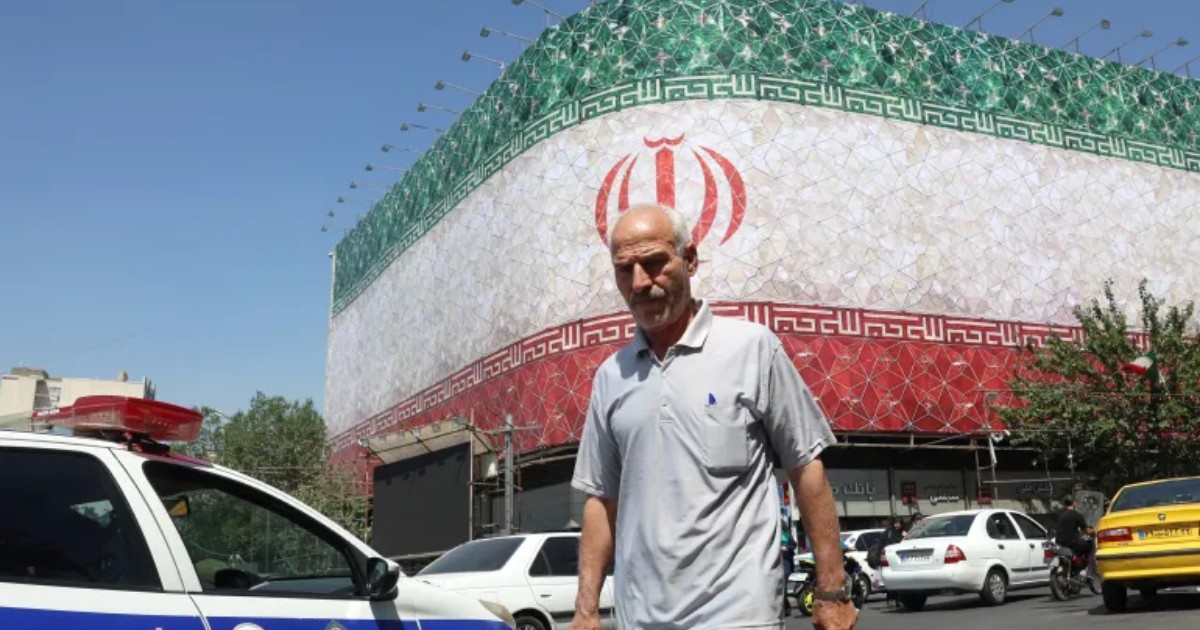
Financial markets across the Iranian capital of Tehran reacted positively to the prospects of an interim peace deal with the United States on Sunday, international news agency Al Jazeera confirmed. Following more than 100 days of active hostilities and severe regional tensions, Washington and Tehran appeared close to finalizing the initial stage of a bilateral agreement. The positive news directly strengthened the domestic currency in Tehran`s open market, with the US dollar fetching less than 1.68 million rials by noon on Sunday. This represents a modest recovery from the historic low of 1.9 million rials recorded last month, though the currency has faced a downward spiral for several years due to chronic inflation.
Simultaneously, the domestic price of gold in Iran experienced a significant drop despite the weekend freeze in international commodity markets. Local financial reports indicated that the price of each Emami gold coin decreased by approximately 5 percent compared to Saturday morning, falling to about 1.71 billion rials or roughly 1,010 dollars. The Tehran Stock Exchange also recorded substantial growth following its controlled reopening three weeks ago, which concluded a prolonged three-month operational shutdown. By the end of trading on Sunday, the main index surged by 123,000 points to establish a new all-time high of nearly 4.82 million points as domestic investors anticipated sanctions relief.
What remains unclear is whether this temporary market surge can successfully resolve Iran`s systemic economic challenges and long-term inflationary pressures. Many residents in central Tehran expressed skepticism regarding the sudden market shifts, noting that the prices of essential foodstuffs have tripled in recent months and are unlikely to decline significantly. Despite the ongoing peace negotiations, many families continue to convert their savings into foreign currencies like dollars and euros to protect their wealth from future political volatility. To facilitate the final stages of the diplomatic talks, a high-level delegation of Qatari mediators arrived in the Iranian capital on Sunday afternoon to bridge the operational gap between both sides. This diplomatic push aligns with remarks from Pakistani Prime Minister Shehbaz Sharif, who stated that a final agreed text was close to electronic completion within the next 24 hours.
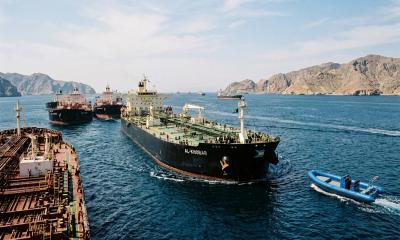
However, the prospective diplomatic breakthrough has triggered intense political pushback from conservative factions and hardliners within the Iranian establishment. The Fars news website, which maintains close ties with the Islamic Revolutionary Guard Corps, argued that Iranian officials were highly unlikely to sign an agreement on Sunday because it coincided with President Donald Trump`s birthday. Trump had previously asserted on Truth Social that the strategic Strait of Hormuz would be opened to all international maritime traffic immediately after the electronic signing. During an emotional street rally in the holy city of Qom, anti-deal member of parliament Mohammad Mannan Raisi urged government negotiators to maintain national honor and resist making excessive concessions to Washington. The anti-American sentiments among the hardliners remain exceptionally high since Iran`s former supreme leader, Ayatollah Ali Khamenei, was killed on February 28 during the opening day of joint US-Israeli airstrikes.
At the same time, recent Israeli military strikes targeting southern Beirut have introduced further operational complications to the delicate diplomatic process. Iranian Foreign Minister Abbas Araghchi clarified that while a formal memorandum of understanding has never been closer, Tehran will not accept any agreement that permits ongoing military strikes against its regional allies. Iranian officials have reiterated that military aggression against Lebanon constitutes a non-negotiable red line, warning that Tehran will not abandon its regional allies to secure a bilateral deal. Meanwhile, thousands of citizens gathered at Palestine Square in Tehran to demonstrate their allegiance to the new Supreme Leader Mojtaba Khamenei while holding national flags and condemning Western interference. As regional tensions remain high, the global community is closely watching whether this interim memorandum of understanding will bring lasting stability to the Middle East or succumb to internal political friction.