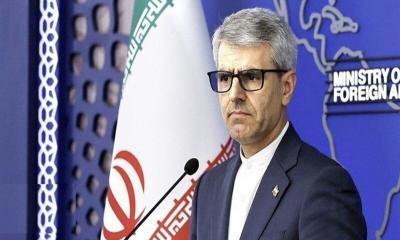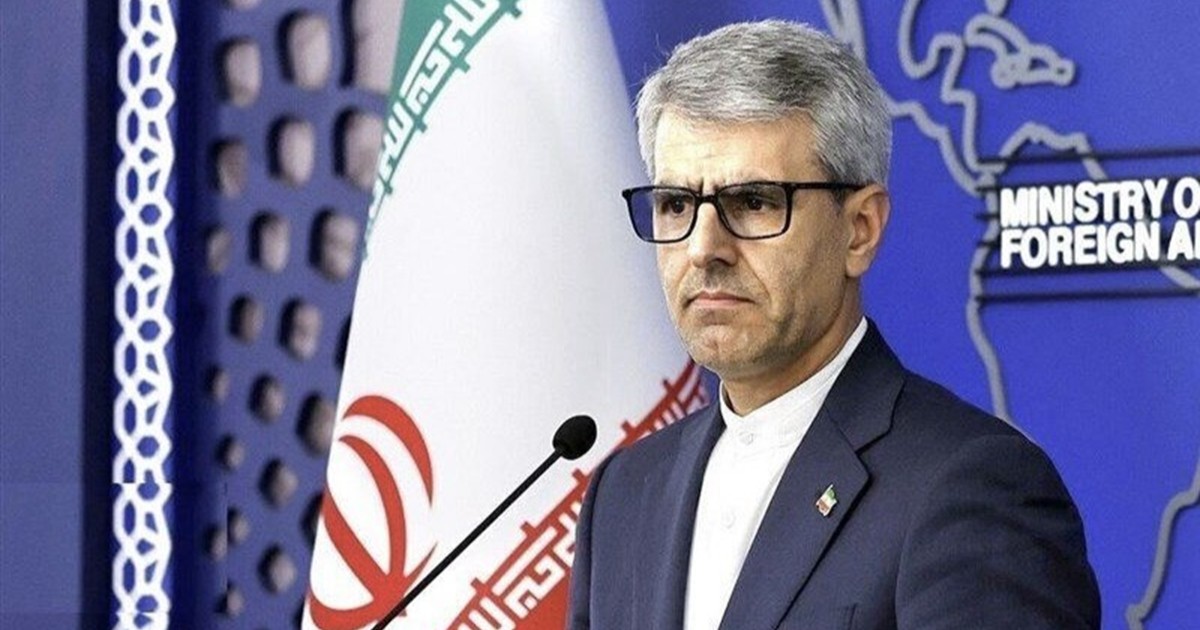
Iran rejected claims on Saturday that a historic peace agreement with the United States would be signed within the next 24 hours, Al Jazeera and Anadolu Agency reported. Speaking to the state-run Tasnim News Agency, Iranian Foreign Ministry Spokesperson Esmaeil Baghaei explicitly denied that the memorandum of understanding between Washington and Tehran would be finalized on Sunday. However, the diplomatic representative did not entirely rule out the possibility of an accord being reached in the coming days. This sudden diplomatic contradiction has introduced fresh complications into the highly anticipated mediation process aimed at de-escalating long-standing geopolitical friction in the Middle East.
Spokesperson Esmaeil Baghaei explained that while officials are actively working on the Islamabad-mediated memorandum, the primary objective of the current framework is solely focused on ending active military conflicts. He emphasized that nuclear issues have been completely excluded from the negotiations at this specific stage of the Iran-US agreement. The Iranian diplomat warned that due to the political instability and unpredictable nature of the opposing party, all stakeholders must remain extremely cautious when making public remarks regarding the timeline of the diplomatic process. Tehran urged international observers to wait for an officially verified timeframe rather than relying on premature announcements.
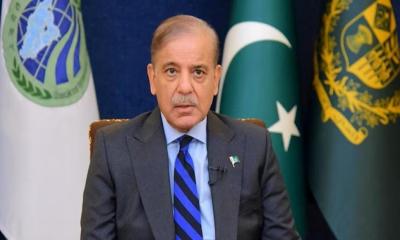
The denial follows a public statement made earlier on Saturday by Pakistani Prime Minister Shehbaz Sharif, who announced that a historic peace deal was on the verge of finalization. Sharif stated on social media that the initial phase of the agreement would be completed through an electronic signature process, for which Islamabad had already completed all technical arrangements. The Pakistani leader expressed optimism that the mediated framework would serve as a durable foundation for securing permanent peace and economic stability across the region. The sudden pushback from Tehran has cast doubt on the immediate success of Pakistan`s diplomatic stewardship.
What remains unclear is whether Washington and Tehran can successfully navigate domestic political opposition to implement the Iran-US agreement, as several hardline factions in the United States remain fiercely critical of any diplomatic concessions. Iranian Foreign Minister Abbas Araghchi had previously indicated that a bilateral understanding was closer than ever before, a sentiment later shared by United States President Donald Trump on his official social media platforms. Despite the temporary setback regarding the Sunday signing timeline, international defense analysts believe that high-level back-channel communications will continue throughout the week. Ummah Kantho continues to monitor the development of these historic international peace negotiations and their subsequent impact on global security frameworks.