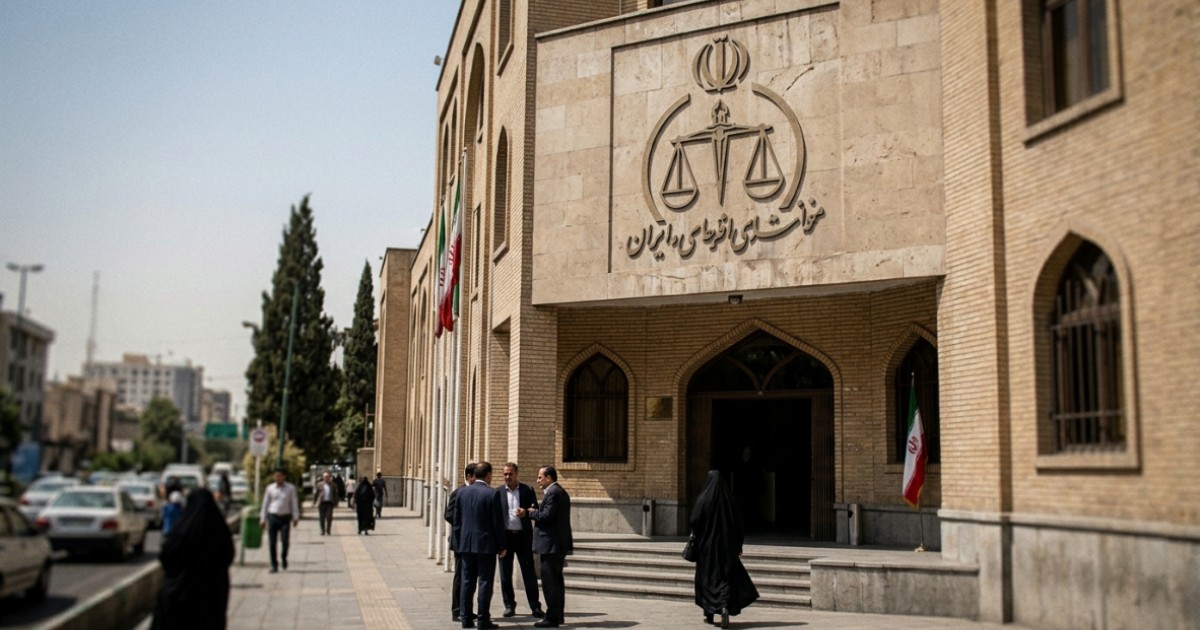
Iran`s Supreme Leader Mojtaba Khamenei officially approved the pardon and commutation of sentences for 139 death row inmates on Saturday, the national judiciary confirmed, according to the semi-official Mehr News Agency. This mass clemency targeting individuals facing capital punishment is regarded as entirely unprecedented and rare in the modern judicial history of the country. Officials from the Tehran judicial departments noted that this humanitarian directive establishes a significant new benchmark within the national legal framework. To execute this comprehensive amnesty process, top legal administrators spent several months carefully evaluating the behavior, rehabilitation progress, and psychological status of the qualified prisoners.
Iran`s Judiciary Spokesperson Asghar Jahangir formally announced the supreme directive during a press conference held in the capital city of Tehran. He clarified to members of the press corps that this marks the first time in national legal history that a single executive decree has extended direct pardons to such a large cohort of death row convicts. The spokesperson emphasized that none of the inmates included in this specific list faced outstanding private or civil complaints from individual plaintiffs in court. He also confirmed that none of the beneficiaries had any direct or indirect involvement in serious crimes related to state security. Their qualification for this judicial relief was earned through prolonged periods of exemplary behavior while incarcerated, sincere expressions of remorse, and successful completion of institutional rehabilitation programs.
Under the established governance structure and Article 110 of the Constitution of the Islamic Republic, the supreme leader maintains the sole constitutional authority to pardon or commute the sentences of convicts based on formal recommendations submitted by the head of the judiciary. However, this historic amnesty package strictly excluded convicts who had committed heinous crimes deemed highly dangerous to the state and public safety. According to the official judicial notification, individuals involved in sabotaging national security, engaging in armed conflict or rebellion, committing espionage on behalf of foreign intelligence agencies, international weapons trafficking, violent kidnapping, large-scale drug smuggling, bribing state officials, or embezzling public funds were completely denied access to the clemency list.
According to statistical records and annual documentation published by the international human rights organization Amnesty International, Iran has consistently ranked as the world`s second-highest executioner, trailing only behind mainland China. The Middle Eastern nation routinely prescribes capital punishment through court rulings for severe offenses including premeditated murder, aggravated rape, and treasonous espionage. Although these sentences are traditionally executed under strict confidentiality at dawn by hanging, the decision to save so many lives simultaneously has ignited extensive political and social commentary both domestically and internationally. What remains unclear is how this extensive clemency decree will impact Iran`s long-term standing within international human rights forums or whether it indicates a permanent shift toward systematic judicial reform. Ummah Kantho continues to closely monitor the implementation of these legal developments and their subsequent international implications.